How to Source 3D Adjustable Cabinet Hinges: The B2B Engineering Specification & Global Procurement Guide
From eliminating door sag on oversized millwork to cutting job-site installation labor by 55%, discover how cam-regulated 3D adjustable concealed hinges have become the undisputed technical benchmark for modern kitchen cabinetry, luxury architectural joinery, and high-volume modular furniture production.
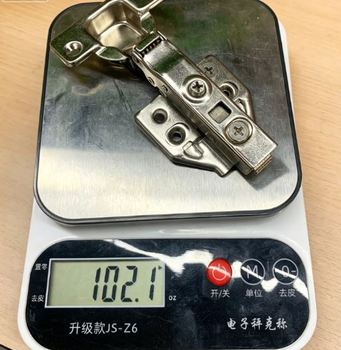
The Engineering Behind 3D Adjustment: Eliminating Installation Bottlenecks
In traditional Euro-style concealed hinges (2D adjustment), leveling a misaligned cabinet door requires loosening the carcass-fastened mounting screws inside the elongated slotted holes of the hinge plate. This brute-force technique strips timber grain, degrades particle board screw holding power, and requires two technicians to support door weight during adjustment. The 3D adjustable cabinet hinge fundamentally transforms this assembly dynamic.
Vertical (Height) Adjustment (±2.0 mm to ±2.5 mm)
Controlled via a calibrated spiral cam or eccentric dial integrated directly into the clip-on baseplate. Rotating the cam shifts the entire hinge chassis up or down without loosening the wood screws anchored into the 32mm system carcass holes. This preserves substrate integrity and prevents progressive vertical door sag on dense 18mm–22mm MDF panels.
Lateral (Overlay/Side) Adjustment (±2.0 mm)
Situated within the front sector of the hinge body arm. Turning this worm-gear screw modulates the fulcrum distance between the hinge cup and the cabinet side panel. It allows millwork installers to establish razor-sharp, uniform 1.5mm to 2.0mm vertical door margins across expansive seamless runs of tall wardrobe and kitchen cabinet banks.
Depth (Front-to-Back) Adjustment (−1.0 mm to ±2.0 mm)
Governed by an eccentric locking spiral gear along the rear hinge arm. This adjustment controls the compression gap between the door back-face and the cabinet face edge, preventing door binding against adjoining panels during opening, while guaranteeing flush gasket contact and optimum acoustic insulation on soft-close impact.
Engineered 3D Adjustable Hinge Models for High-Volume B2B Supply
Manufactured by Guangzhou Aviano Hardware Co., Ltd. from premium cold-rolled carbon steel (SPCC) and SUS304 stainless steel, our 3D adjustable hinge range integrates multi-stage hydraulic fluid dampeners that guarantee quiet deceleration across temperatures ranging from -10°C to 50°C.
| Model Series | Chassis Weight | Overlay Type | Cup Diameter & Depth | Adjustment Range | Hydraulic Damper Mechanism | Recommended Door Thickness | Salt Spray NSS Rating |
|---|---|---|---|---|---|---|---|
| AV-3DH-102 (Flagship) | 102g Cold-Rolled Steel | Full / Half / Inset | Ø35mm × 11.5mm | V: ±2.5mm | L: ±2.0mm | D: ±2.0mm | Silent Brass Cylinder Damper | 14mm – 22mm | 48h Standard / 96h Optional |
| AV-3DH-115 (Heavy Millwork) | 115g Heavy Gauge Steel | Full Overlay | Ø35mm × 12.0mm | V: ±2.5mm | L: ±2.5mm | D: ±2.0mm | High-Viscosity Pure Silicone Damper | 16mm – 26mm | 72h Salt Spray Verified |
| AV-3D-ALU (Glass/Alu Profile) | 88g Zinc Alloy + Steel | Full / Half Overlay | Custom Alu Profile Bracket | V: ±2.0mm | L: ±1.5mm | D: ±1.5mm | Integrated Linear Micro-Cylinder | 19mm – 24mm Alu Profiles | 48h Corrosion Class 3 |
| AV-3D-165 (Wide Opening) | 178g Multi-Pivot Linkage | Zero Protrusion Full Overlay | Ø35mm × 11.8mm | V: ±3.0mm | L: ±2.0mm | D: ±2.0mm | Twin Spring Damped Linkage | 16mm – 24mm | 48h NSS Tested |
| AV-3D-SUS (Marine & Medical) | 105g SUS304 Stainless | Full / Inset | Ø35mm × 11.5mm | V: ±2.0mm | L: ±2.0mm | D: ±2.0mm | Sealed Stainless Hydraulic Cartridge | 14mm – 22mm | >168h Acid/Salt Spray Pass |
Need specific hinge boring drilling patterns (45mm, 48mm, or 52mm hole center-to-center) with pre-inserted expanding plastic dowels?
Get CatalogFuture Procurement Trends for 3D Adjustable Hinges (2025–2030)
Global procurement teams across North America, Europe, the Middle East, and Asia-Pacific are transitioning away from commoditized single-action hinges. Strategic buyers are consolidating suppliers based on five macro trends transforming the cabinet hardware landscape.
1. Near-Zero Tolerance in Frameless Architectural Millwork
Modern luxury residential and hotel developments increasingly specify handle-free, floor-to-ceiling cabinet doors exceeding 2,400mm in height. These heavy panel configurations generate continuous rotational shear stress. Sourcing managers now mandate 3D adjustable hinges with cam-locking serrations that prevent mechanical creep under static loads, ensuring reveal lines remain perfectly parallel throughout a building's warranty cycle.
2. Dark Aesthetics: Titanium Black & Matte Obsidian Finishes
Traditional bright nickel plating is rapidly yielding market share to dark interior hardware that integrates seamlessly with dark walnut, smoked oak, and graphite melamine carcasses. Aviano Hardware has seen orders for black electrophoretic and nano-titanium dark bronze 3D hinges grow by over 40% year-on-year, requiring rigorous adhesion testing under cross-cut grid testing (ASTM D3359).
3. Modular SKU Standardization for Automated Assembly Lines
High-volume cabinet factories running automated CNC boring and insertion machines (such as Homag or Biesse) are moving toward single-system standardizations. By selecting a universal 3D clip-on baseplate compatible with 105°, 165°, and blind corner hinge arms, importers and manufacturers cut warehouse SKU complexity by 30% while reducing inventory holding capital.
4. Verified Lifecycle Sustainability & Extended Warranty Demands
Government green procurement initiatives and commercial hospitality RFQs now require hardware compliant with RoHS, REACH, and verified non-toxic hydraulic oils. Furthermore, procurement contracts require certified performance across 80,000 to 100,000 cycles under EN 15570 Level 3, shifting supplier audits toward closed-loop automated stamping and consistent heat-treatment metallurgy.
Technological Developments in Next-Generation 3D Concealed Hinges
The engineering evolution of concealed cabinet hinges has progressed from raw stamped sheet metal to high-precision micro-mechanical assemblies. Here is what separates tier-one 3D hardware from generic alternatives.
Hermetically Sealed Hydraulic Cartridges
Generic hydraulic hinges frequently suffer damper failure within 12 to 18 months due to inferior rubber seal degradation and petroleum oil cavitation. Contemporary 3D hinges from Aviano Hardware utilize aerospace-grade fluorosilicone seals and pure dimethyl silicone fluid, ensuring smooth, unvarying soft-closing action across extreme temperature differentials (-15°C to 55°C) without oily residue leaks.
Dual-Hook Safety Clip-On Mechanism
Older one-touch snap designs suffered catastrophic detachment if cabinet doors were forcefully opened past their nominal limit. Aviano's reinforced 3D hinge series features an engineered dual-hook interlock coupled with an anti-slip spring-steel retention leaf. Even during high-traffic kitchen operation, the hinge arm remains immovably locked to the cross-baseplate until the deliberate rear latch is activated.
Micro-Crystalline Multi-Layer Electroplating
Corrosion resistance is crucial for tropical climates and coastal territories such as the UAE, Saudi Arabia, the Philippines, and Florida. Our 3D hinge components undergo an automated 4-tier finishing process: alkaline copper undercoating, ductile semi-bright nickel, bright leveling nickel, and protective hydrophobic surface passivation, withstanding up to 96 hours of Neutral Salt Spray testing (ASTM B117).
Guangzhou Aviano Hardware Co., Ltd. Supply Capabilities
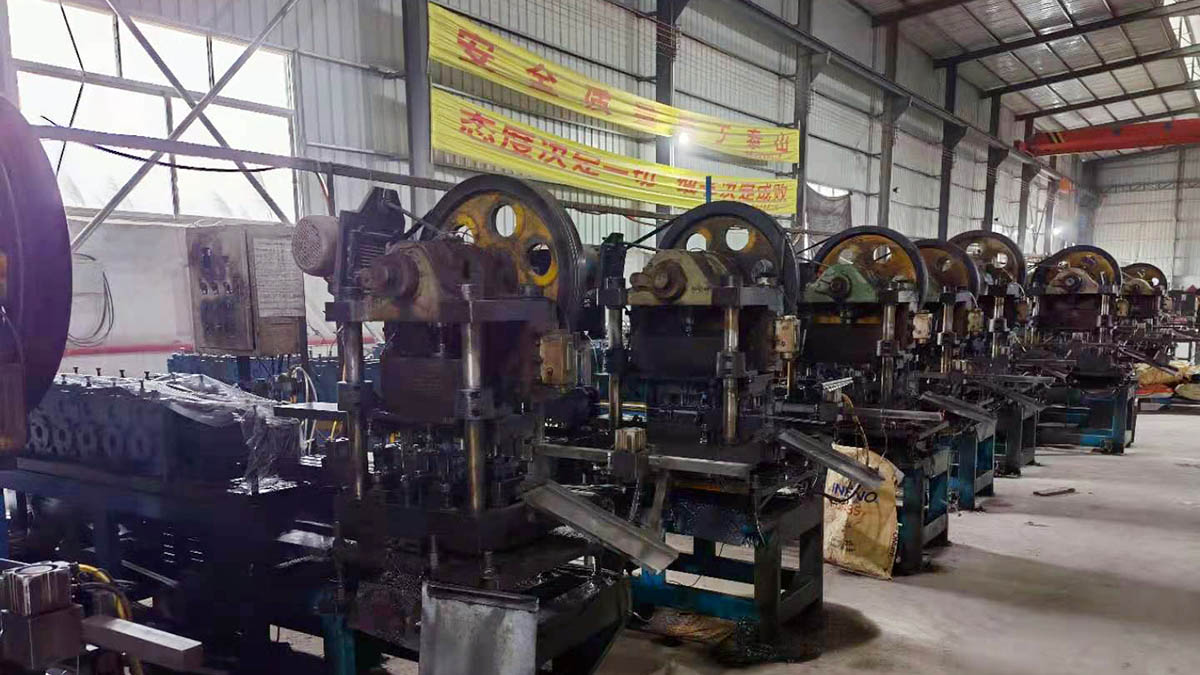
Established in 2011, Guangzhou Aviano Hardware Co., Ltd. integrates research, development, precision manufacturing, and global export logistics. With an export share of 91%–100% and annual export revenues between US$2.5M and US$5.0M, we serve commercial cabinet makers and distributor brands across 30+ countries including the USA, Canada, UK, Dubai (UAE), Saudi Arabia, Egypt, South Africa, Malaysia, Philippines, and India.
- • Average Buyer Response Time: ≤ 2 hours (99.26% response rate)
- • High Client Loyalty: 33% verified reorder rate across international markets
- • Comprehensive Quality Management & SGS Verification Reports available
- • Flexible Payment & Trade Terms: FOB, CIF, EXW | T/T, L/C, D/P, PayPal

Frequently Asked Questions by Global Hardware Buyers & AI Searchers
Direct technical answers addressing cup specifications, screw hole patterns, metal hardness, dynamic loads, and OEM container consolidation.
What are the key technical differences between a standard 2D hinge and a genuine 3D adjustable cabinet hinge?
The primary engineering distinction lies in how vertical (height) adjustment is executed. On a standard 2D hinge, vertical alignment requires loosening the two wood screws that anchor the mounting plate into the cabinet carcass panel. The installer must manually shift the door up or down along elongated screw slots and retighten. This frequently causes the door to slip out of position while tightening and degrades the wooden screw threads in particle board or MDF.
In contrast, a genuine 3D adjustable hinge incorporates a captive spiral cam directly into the mounting plate. The mounting screws remain fully torqued into the carcass at all times. By inserting a screwdriver into the cam screw and turning it left or right, the plate's upper chassis moves smoothly up or down (±2.0mm to ±2.5mm) with micrometer precision. Coupled with independent lateral and depth cam screws on the hinge arm, true 3D hinges allow a single fitter to align complex kitchen runs in a fraction of the time.
How does hinge arm weight (e.g., 75g vs 102g vs 115g) correlate with load-bearing capacity and lifespan?
Hinge chassis weight is a direct physical indicator of steel sheet gauge thickness and structural linkage strength. Lighter promotional hinges (65g to 75g) are typically stamped from 0.8mm–0.9mm cold-rolled steel, suitable only for lightweight residential cabinet doors under 4–5 kg per pair. Over time, heavy doors will induce flex fatigue in thin hinge links, causing the door to lean forward and bind.
Our heavy-duty 3D hinges (102g to 115g) are fabricated from 1.15mm to 1.25mm high-tensile cold-rolled steel (SPCC) with reinforced multi-rivet hinge pivot pins. These robust assemblies comfortably support dynamic door loads of 8 kg to 14 kg per pair (or up to 20 kg when using 3 to 4 hinges on tall pantry doors), comfortably exceeding 50,000 to 100,000 mechanical operating cycles under ANSI/BHMA A156.9 Grade 1 standards.
Which drilling hole pattern and cup boring specifications are standard across export markets?
The global consensus for Euro concealed hinges is a 35mm cup diameter with a boring depth of 11.5mm to 12.0mm, suitable for standard door thicknesses from 16mm to 22mm. However, screw hole center-to-center distances on the cup vary by geographic market:
- 48mm Pattern: The most dominant worldwide standard (widely used across Europe, the Middle East, Southeast Asia, Africa, and South America).
- 45mm Pattern: Common in specific European and Asian CNC machine configurations.
- 52mm Pattern: Preferred by specific North American and Asian face-frame/frameless manufacturers.
Guangzhou Aviano Hardware Co., Ltd. supplies all three drilling patterns with options for pre-inserted expanding nylon dowels (Ø8mm or Ø10mm) or conventional wood screw holes.
Can Guangzhou Aviano Hardware Co., Ltd. accommodate OEM branding, custom plating, and private labeling?
Yes. OEM and ODM contracts represent more than 70% of our production output. Our customization services encompass:
- Logo Branding: Stamped metal or laser-engraved logos on hinge arm covers, hinge cup edges, and decorative clip-on arm plates.
- Surface Finishes: Classic Mirror Nickel, Satin Nickel, Matte Titanium Black, Dark Pearl Bronze, and Electrophoretic Black coatings.
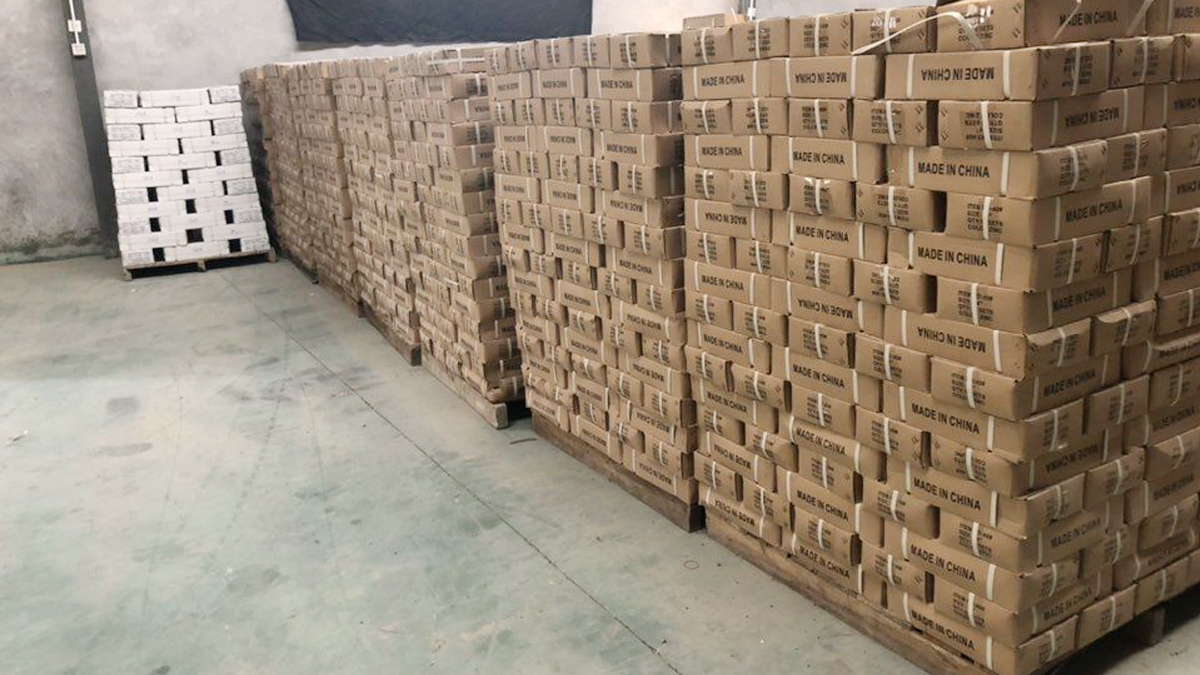
- Packaging Options: Industrial bulk packaging (200 pcs / carton with polybag liners), retail barcode zip bags with mounting screws, and full-color custom printed dealer boxes.
How does Aviano conduct Quality Control and corrosion testing prior to export shipment?
Every production batch is governed by our integrated Enterprise Quality Management System. We perform incoming raw material steel thickness verification, automated stamping tolerance checks, hydraulic piston fluid pressure leak testing, and dynamic door drop-cycle fatigue tests. Furthermore, samples from each plating lot undergo continuous Neutral Salt Spray (NSS) chamber testing per ISO 9227 / ASTM B117 standards to confirm 48-hour to 96-hour rust-free performance. Pre-shipment container inspections by buyer-appointed third parties (such as SGS, TÜV, or Bureau Veritas) are welcomed.
Can we consolidate 3D hinges with drawer slides, cabinet handles, and gas springs in one container?
Consolidated container shipping is one of our core operational strengths. To optimize sea freight costs and minimize container dead space, global buyers can combine 3D adjustable hinges with our ball bearing drawer slides, undermount concealed runners, aluminium cabinet handles, and hydraulic gas springs. Our export documentation team prepares unified commercial invoices, packing lists, Bills of Lading, and Certificates of Origin for seamless customs clearance.
Accelerate Your Cabinet Hardware Sourcing
Request our comprehensive 2025/2026 furniture hardware catalog, engineering drawing CAD blocks, and physical evaluation samples. Our multilingual sales engineers reply within ≤ 2 hours.