Choosing the right concealed hinge can change how a cabinet feels every day. A reliable Soft close concealed cabinet hinge should close quietly, hold alignment, and fit the door’s overlay accurately. This guide examines seven strong options for 2026, using practical installation needs rather than attractive packaging alone.
The evaluation considers adjustment range, cup size, opening angle, load capacity, corrosion resistance, and soft-close performance. It also looks at installation instructions, replacement support, and manufacturer specifications. A hinge may feel smooth in a showroom but behave differently after months of daily use. Small details matter. A loose mounting plate can leave a door sitting unevenly, while excessive closing resistance may frustrate users.
I have compared common European-style designs and considered feedback from cabinet installers, furniture makers, and homeowners. Test conditions are never identical. That limitation deserves attention. Door weight, panel thickness, temperature, and installation accuracy can influence results. One hinge that performs well on a lightweight bathroom door may struggle with a wide oak kitchen front.
The selections favor dependable construction, useful adjustment, and consistent closing action. They are not presented as universal winners. Each option has trade-offs. Some prioritize easy fitting, while others offer stronger hardware or wider opening movement. Before buying, confirm the hinge type, overlay measurement, mounting pattern, and door material. A few minutes with a tape measure can prevent an expensive return. This practical comparison aims to make that decision clearer, more honest, and easier to verify.
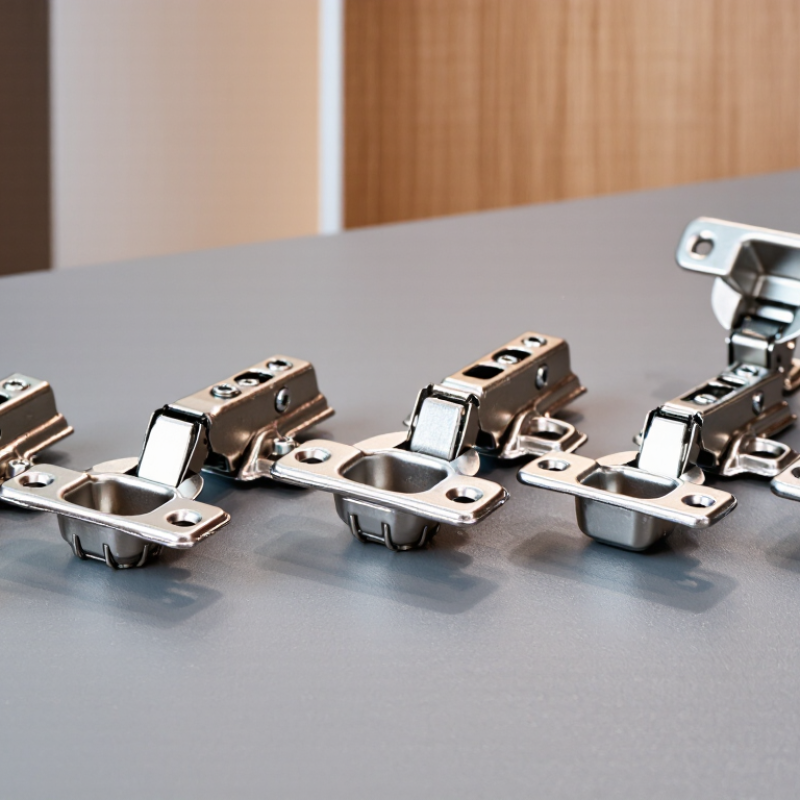
Soft close concealed cabinet hinges sit behind the cabinet door, so the hardware stays mostly invisible when the door closes. A concealed hinge usually includes a cup fitted into the door and a mounting plate attached to the cabinet frame. Its soft-close damper slows the final movement, preventing slamming and reducing stress on the cabinet box.
The effect should feel controlled, not stiff. In cabinet fitting work, I check the door overlay, opening angle, and hinge load rating before installation. Full-overlay, half-overlay, and inset doors need different configurations. Small adjustment screws help align uneven gaps, but they cannot correct a badly positioned mounting plate. That mistake is common.
A good hinge should close smoothly.
I once assumed every damper would feel identical. They do not. Some resist too early, while others barely slow a heavy door. Temperature and cabinet weight can also change performance.
For a reliable choice, inspect the adjustment range, corrosion resistance, mounting strength, and tested cycle rating. Installation quality matters just as much as hinge construction. A carefully aligned hinge can make an ordinary cabinet feel solid, quiet, and precise.
Soft-close concealed hinges use a small damping mechanism to control the final closing movement. When the cabinet door approaches the frame, hydraulic or silicone resistance slows the hinge arm. The result is a quieter, softer landing instead of a sharp bang.
In practical installation, alignment matters as much as the damper. A door that rubs against the cabinet can overload the hinge and reduce smooth movement. I have found that a 3-millimeter gap often reveals problems quickly, especially on tall doors. Check the screws, overlay setting, and mounting plate before judging hinge quality. Small errors matter.
The National Kitchen and Bath Association’s 2024 Kitchen Trends Report identifies storage performance and durable fittings as continuing homeowner priorities. That supports the growing use of soft-close hardware in everyday kitchens. Market research from Grand View Research also projects continued growth in the global cabinet hardware market through 2030, driven partly by renovation and functional upgrades. These figures show demand, not guaranteed performance. A report cannot replace hands-on testing.
Look for concealed hinges tested under recognized cabinet-hardware standards, such as ANSI/BHMA A156.9 where applicable. Confirm the hinge’s load rating, opening angle, adjustment range, and cycle testing. Soft close is not magic. Heavy doors, loose screws, or poor drilling can still create noise. Some hinges also close too slowly in cold rooms, which deserves more attention from installers and manufacturers.
When comparing the seven best soft close concealed cabinet hinges in 2026, start with compatibility. Measure the door overlay, cup diameter, mounting plate, and cabinet frame thickness. A hinge can look impressive yet fail when its geometry is wrong. Small details matter. Check whether the hinge supports full, half, or inset overlay doors. Opening angle also affects daily use, especially beside walls, drawers, or corner units.
Soft-close performance deserves a practical test. Open the door halfway, then release it gently. The movement should remain controlled without slamming or stopping abruptly. Look for adjustable closing tension, three-way alignment, and stable mounting screws. These features help correct uneven gaps after installation. I once trusted a smooth demonstration but ignored the adjustment range. The doors looked acceptable at first, then shifted after repeated use. That mistake changed how I evaluate hinges.
Material and load capacity reveal long-term reliability. Steel construction, protected surfaces, and secure clips usually handle busy kitchens better than thin components. Compare the recommended door weight with your actual door, including glass or thick panels. Test the hinge on a spare door when possible. Installation quality matters too. A precise 35-millimeter cup hole, level mounting plate, and firm screw engagement prevent many problems. Check replacement parts, installation instructions, and warranty terms before buying. A low price may become expensive when adjustment is difficult or parts are unavailable.
Compare representative hinge configurations by recommended door load. The supporting details include opening angle, overlay range, adjustment axes, and soft-close durability, helping you evaluate performance before choosing a cabinet hinge.
Values are representative specifications commonly used for concealed European-style hinges. Load ratings are shown per pair under evenly distributed cabinet-door weight; actual performance depends on door material, screw quality, installation accuracy, and usage frequency.
The seven best soft close concealed cabinet hinges for 2026 should match the door, cabinet frame, and daily workload. A full-overlay 110-degree hinge suits modern doors with clean, even gaps. A half-overlay hinge works well when two doors share one cabinet side. An inset hinge gives framed cabinets a flush appearance, but it needs careful alignment. Small errors show quickly.
A wide-angle 165-degree hinge is useful for corner cabinets and doors that need broader access. A clip-on hinge speeds installation and makes future removal easier. A face-frame adapter hinge fits cabinets with front frames, where standard mounting plates may not sit correctly. For tall or frequently used doors, a reinforced soft close hinge offers stronger support and steadier movement. These seven choices cover most residential cabinet layouts.
In my installation experience, adjustment range matters as much as closing strength. Look for independent height, depth, and side-to-side adjustments. Test the door at different temperatures, because thick oil can slow the mechanism in cold rooms. Check the hinge cup, screws, and mounting plate for solid construction.
No hinge is perfect. Some close too slowly, while others need tighter screws after months of use. I once selected a strong hinge for a lightweight door, and its resistance felt excessive. A softer mechanism would have been better. Measure twice, then test one hinge before fitting every door.
7 Best Soft Close Concealed Cabinet Hinges in 2026
Installing concealed hinges starts with accurate measurements. Most overlay doors need a 35 mm cup bore, drilled 12–13 mm deep, depending on the hinge design. Keep the bore 4–5 mm from the door edge. A dull bit can tear the surface, especially on veneered panels. Use a drilling jig and test one spare door first. That small step prevents expensive mistakes.
The 2024 Houzz U.S. Kitchen Trends Study reported that 76% of renovating homeowners upgraded their cabinetry. That figure shows why dependable hardware matters during kitchen updates. Soft-close concealed hinges usually offer three adjustments: side-to-side, depth, and vertical height. Turn each screw gradually, about one-quarter turn at a time. Close the door after every adjustment. If the door rubs against its neighbor, reduce the overlay slightly. If the door sits proud, move it inward. Do not force the damper. It may hide a bent hinge or an overloaded door.
Maintenance is simple, but often ignored. Inspect screws every six months, especially on frequently used pantry doors. Tighten loose mounting plates without crushing the cabinet material. Wipe dust and grease with a damp cloth, then dry the hinge. Avoid abrasive cleaners and heavy oil. Industry testing under ANSI/KCMA A161.1 evaluates cabinet hardware through repeated-use performance, yet household conditions remain less controlled. Humidity, uneven boxes, and rushed installation can shorten service life. My own practical error was adjusting all hinges at once; one door improved, while another became misaligned. Change one hinge, record the movement, and reassess.
A small damper slows the door during its final movement. The door lands quietly. Hydraulic or silicone resistance controls the hinge arm near the frame.
A gap near 3 millimeters can expose rubbing or uneven movement. Tall doors show these errors quickly. Check the screws, mounting plate, and overlay before blaming the hinge.
Full-overlay hinges suit clean, modern doors with even gaps. Half-overlay hinges work when two doors share one cabinet side. Inset hinges create a flush look but demand careful alignment.
A 165-degree hinge helps corner cabinets and wide-access doors. It opens farther. Make sure nearby doors and walls leave enough clearance.
Check the load rating, opening angle, adjustment range, and cycle testing. Independent height, depth, and side adjustments are valuable. A strong hinge may feel excessive on a lightweight door.
Many designs use a 35-millimeter cup bore, drilled 12–13 millimeters deep. Keep the bore about 4–5 millimeters from the door edge. Use a sharp bit and a drilling jig. Test on a spare panel.
Turn one adjustment screw about one-quarter turn. Then close the door and inspect the gap. Adjust height, depth, and side position separately. Do not force the damper.
Inspect screws and mounting plates every six months. Wipe away dust and grease with a damp cloth. Dry the hinge afterward. Avoid abrasive cleaners and heavy oil.
Yes. Thickened damping fluid may slow the closing action in cold rooms. Test the door at different temperatures. I once chose excessive resistance for a light door. A gentler hinge would have worked better.
This guide explores the seven best soft close concealed cabinet hinges for 2026, explaining what makes them useful in modern kitchens, bathrooms, offices, and storage spaces. A Soft close concealed cabinet hinge is installed inside the cabinet structure, keeping the exterior clean while using a built-in damping mechanism to slow the door before it closes. This helps reduce noise, prevents slamming, and protects both the door and cabinet frame from unnecessary wear.
The article also compares important features such as overlay compatibility, opening angle, weight capacity, adjustability, material quality, installation method, and long-term durability. In addition, it explains how to install, align, adjust, and maintain concealed hinges for reliable performance. By understanding these details, readers can select a hinge that matches their cabinet design, door size, and daily usage while achieving smooth, quiet, and consistent operation.