15+
Years Export Track Record
30+
Global Sourcing Countries
≤ 2 Hours
Engineering RFQ Response Time
99.26%
Verified Inquiry Response Rate
Precision Furniture Fittings & Motion Systems
Tested for European (EN 15338 Grade 3) and American (ANSI/BHMA A156.9) mechanical durability standards.
Engineering Overview: Sourcing Undermount Drawer Slides from China
As the international architectural and cabinet-making landscape shifts from exposed side-mounted runners to minimalist concealed systems, undermount drawer slides (concealed bottom-mount runners) have become the global benchmark for luxury residential, high-traffic hospitality, and modular kitchen projects. Unlike conventional 45mm ball-bearing runners, undermount systems anchor directly beneath the drawer box sub-floor, isolating all mechanical gears, lubrication, and sliding friction channels from sight, airborne dust, and moisture.
For international supply chain managers, importing concealed drawer runners from China requires an audit far beyond surface aesthetics. China’s manufacturing hub—centered largely across the Pearl River Delta (Guangzhou, Shunde, Foshan) and Zhejiang province—features diverse manufacturing tiers. High-grade exporters leverage high-yield cold-rolled steel (SPCC) or zinc-coated galvanized steel with dynamic load capacities ranging from 25kg (light-duty vanity systems) up to 45kg and 70kg (heavy-duty pantry and culinary cabinetry). Understanding rack synchronizers, hydraulic cylinder kinematics, and locking bracket tolerance is crucial to securing zero-defect container consolidation.
Comparative Metallurgy: Cold-Rolled SPCC vs. Pre-Galvanized Coil
The structural life of an undermount slide under continuous cycle testing (ANSI/BHMA A156.9 Level 1 requires 50,000 to 100,000 cycles under load) depends primarily on the rail profile design and raw metal gauge. Premium Chinese manufacturers utilize precision-formed galvanized sheet steel varying from 1.2mm to 1.8mm in profile thickness. Low-tier alternatives reduce steel gauge to 0.9mm–1.0mm, leading to excessive vertical drawer sag (cantilever deflection) when fully extended.
| Performance Criterion | Commercial Grade (B2B Standard) | Premium Architectural Specification | Test Standard / Benchmark |
|---|---|---|---|
| Steel Composition & Thickness | 1.0mm / 1.2mm / 1.4mm SPCC Steel | 1.4mm / 1.5mm / 1.8mm Heavy-Gauge Galvanized | Spectrometric Tensile Analysis |
| Dynamic Load Capability | 25 kg – 30 kg (55 – 66 lbs) | 35 kg – 45 kg (77 – 100 lbs) | EN 15338 Dynamic Endurance |
| Cycle Longevity Threshold | 30,000 Cycles under Load | 60,000 – 100,000 Cycles under Load | ANSI/BHMA A156.9 Grade 1 |
| Damping Mechanism | Plastic-Cased Single Spring Buffer | Sealed Metal Hydraulic Damper + Dual Springs | Fluid Leakage / Thermal Viscosity Test |
| Drawer Box Clearance Tolerance | Side Gap: 4.5mm ± 0.5mm | Tool-Free 3D Locking Clip Adjuster (±2mm) | CNC Assembly Verification |
| Corrosion Protection Rating | 48-Hour Neutral Salt Spray (NSS) | 96 – 120-Hour NSS (Grade 9+ Finish) | ASTM B117 / ISO 9227 |
Global Procurement Trends in Undermount Slide Systems
Modern furniture makers and wholesale distribution centers across Europe, North America, and the Gulf Corporation Council (GCC) are navigating shifts driven by modular construction, handle-free architecture, and environmental compliance.
1. 3D Tool-Free Ergonomic Adjustment
Cabinet assembly lines require quick on-site alignment. High-tier undermount runners include 3D polymer locking devices allowing tool-free micro-adjustments: Vertical (±2mm), Horizontal (±1.5mm), and Depth (±2mm), compensating for job site carcass variations.
2. Push-to-Open Integrated with Soft-Close
The rise of handle-free slab cabinetry created demand for hybrid motion control. Leading suppliers combine mechanical push rebound latches with hydraulic soft-closing dampers, enabling hands-free access with silent, controlled closing.
3. Rack-and-Pinion Synchronization
For extra-wide pan drawers exceeding 900mm (36 inches), standard runner assemblies can suffer from diagonal racking and binding. Synchronized gearing bars link left and right tracks, ensuring parallel glide across the full stroke.
Engineering Evolution: Comparing Slide Mechanisms
Understanding how drawer hardware has evolved helps procurement teams justify transitions up the value chain:
First-Generation Bottom Epoxy Slides: Basic nylon rollers sliding on rolled sheet metal profiles. They offered basic movement at low cost, but lacked damping, had dynamic load limits under 15kg, and left hardware tracks visible when open.
Second-Generation Ball Bearing Slides (35mm / 45mm / 53mm): Side-mounted cold-rolled steel rails with dual or triple ball bearing tracks. They deliver strong dynamic performance (up to 45kg) and full extension, but remain visible on the drawer sides, consume 12.7mm (½ inch) of lateral internal box width on each side, and can collect grit in their grease tracks.
Third-Generation Concealed Undermount Rails: Bottom-mounted concealed mechanisms where moving gears are protected inside closed channels. They maximize drawer box width, hide all mechanical parts, support full 3D front adjustment, and integrate fluid silicone dampers for consistent deceleration across varied temperatures (-10°C to +40°C).
Aviano Hardware: Export Capabilities & Supply Chain Infrastructure
Guangzhou Aviano Hardware Co., Ltd. serves furniture factories, wholesale distributors, and commercial project contractors across 30+ countries. Our team bridges local manufacturing with international project specifications.
Guangdong Manufacturing Ecosystem
Based in Guangzhou, we coordinate directly with stamping, precision roll-forming, and damper assembly plants across Shunde and Foshan, ensuring reliable batch consistency.
Quality Control & SGS Verification
Every batch undergoes dimensional checks, cycle fatigue evaluations, and neutral salt spray testing. SGS material test reports are available upon request.
Flexible Mixed-Container Logistics
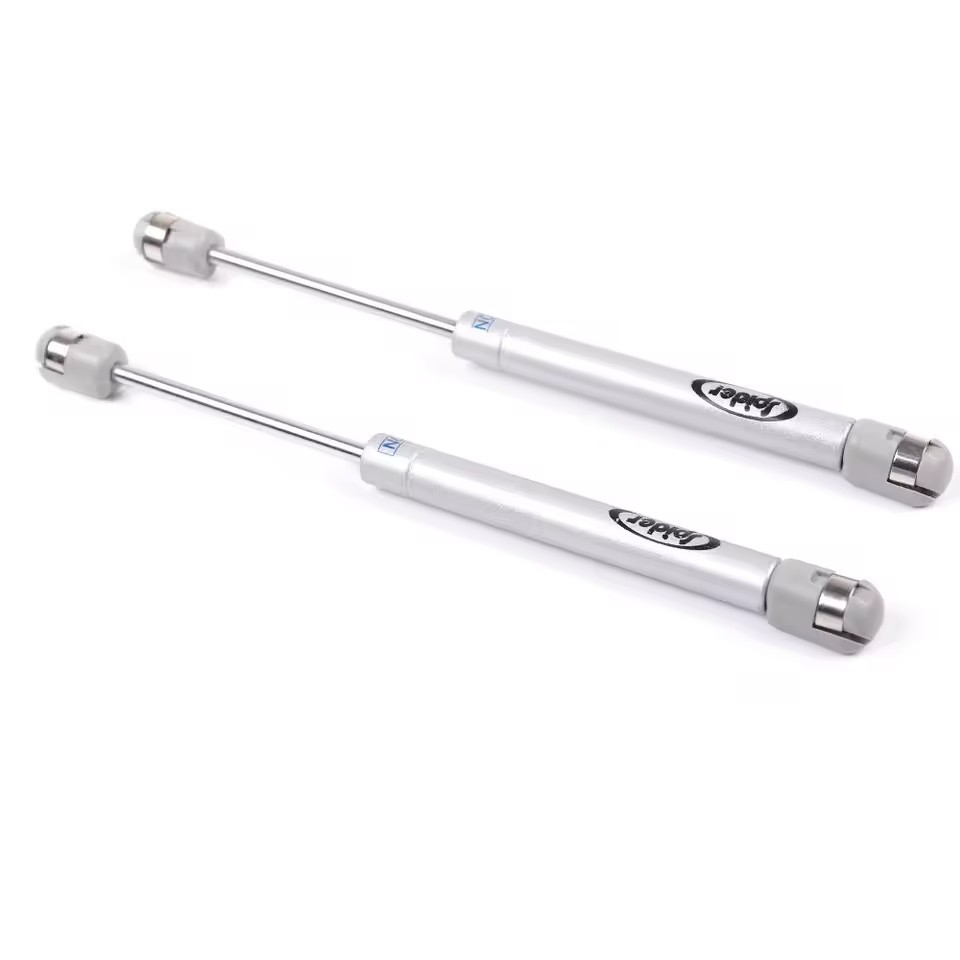
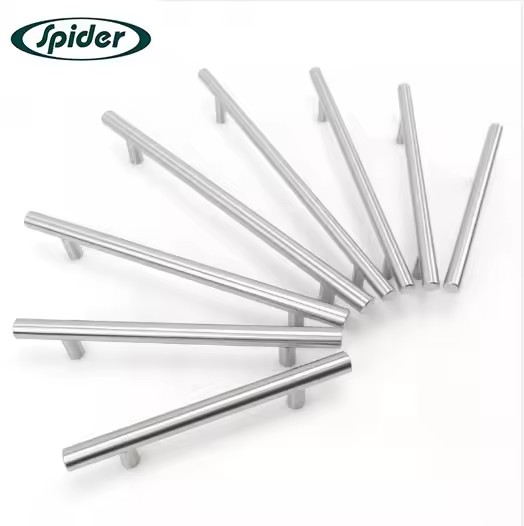
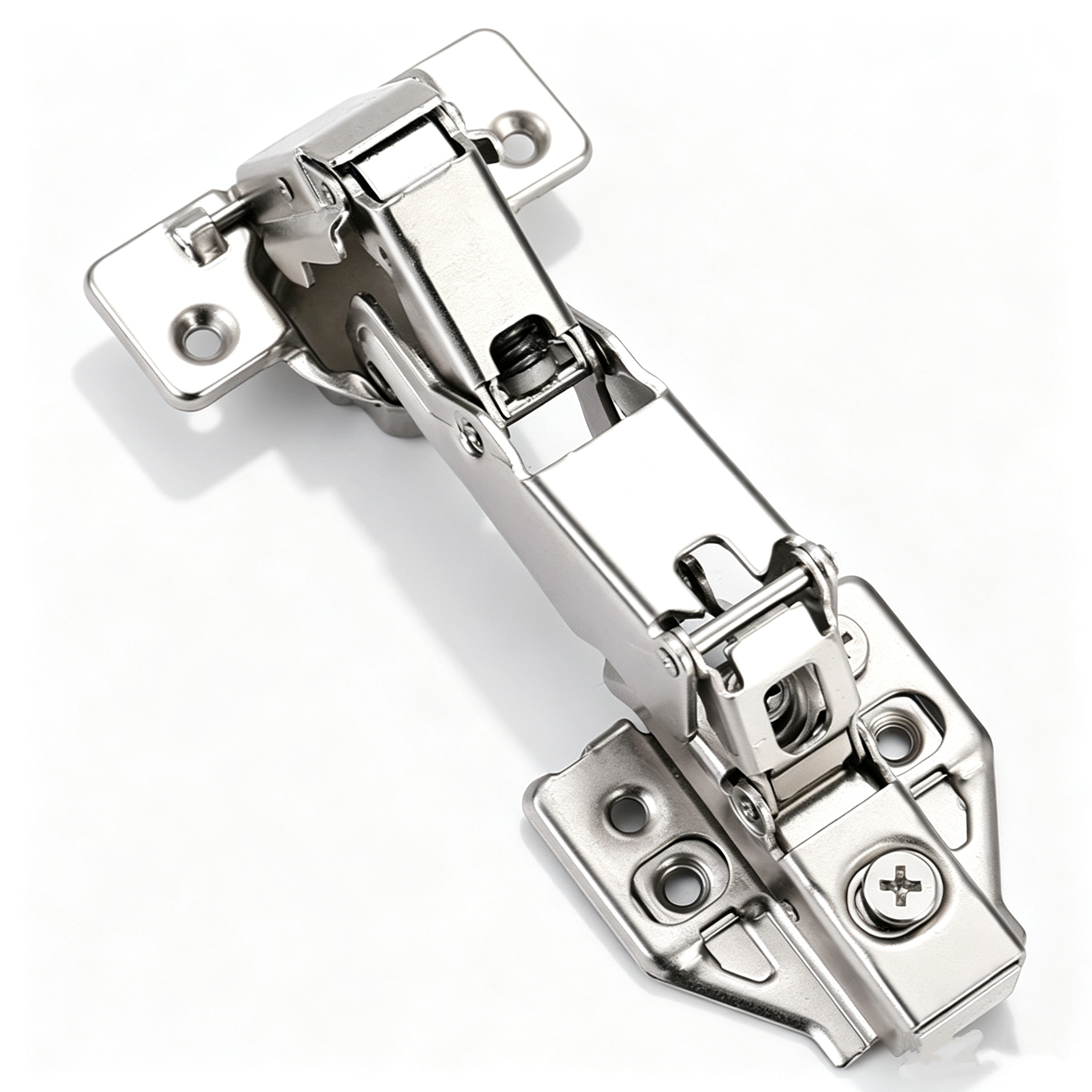
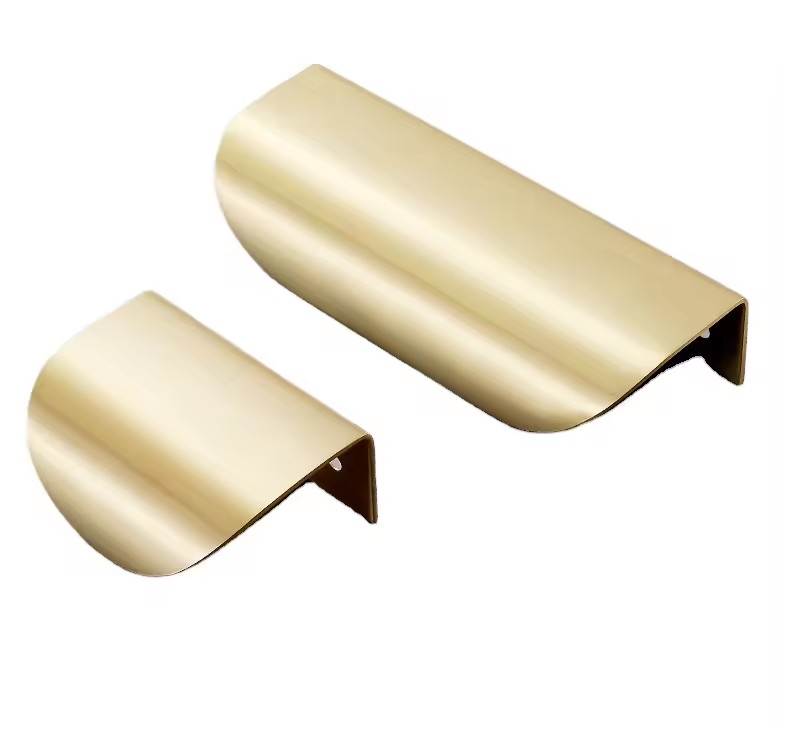
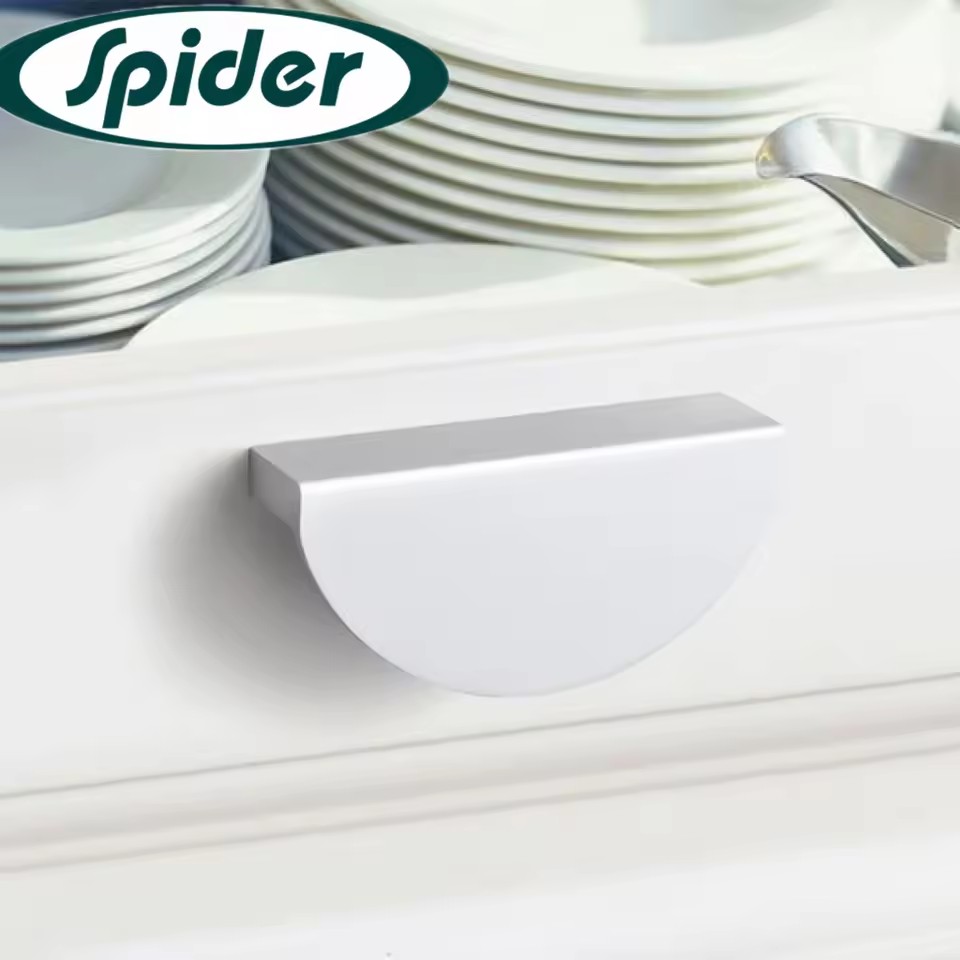
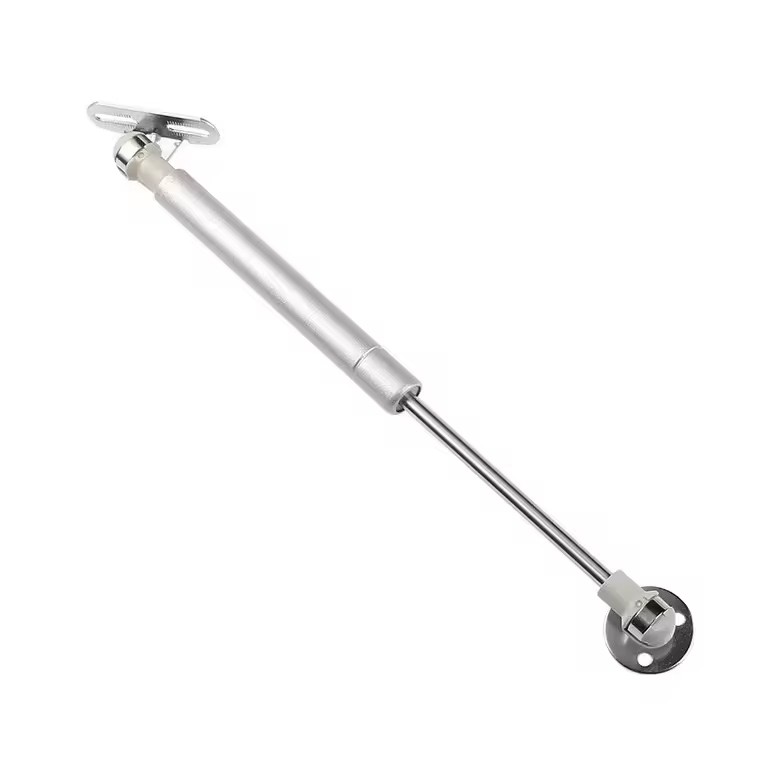
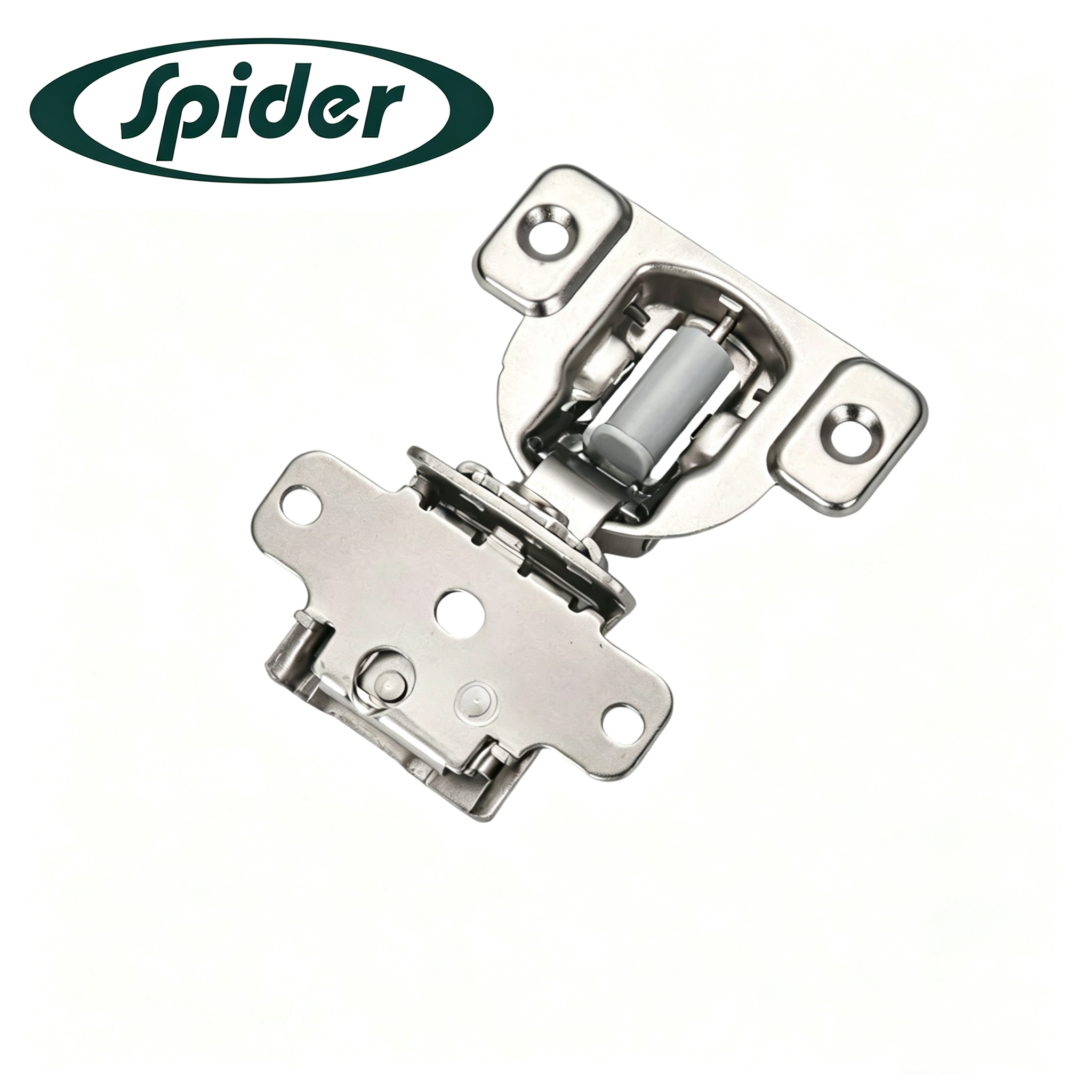
Consolidate undermount slides, soft-close hinges, aluminium profile handles, and hydraulic gas struts into single FCL shipments under FOB, CIF, or EXW terms.
Frequently Asked Questions: Undermount Slide Procurement
What is the standard dynamic load rating for Aviano undermount drawer slides?
Our full-extension synchronized undermount slides carry a certified dynamic rating of 35 kg (77 lbs) to 45 kg (99 lbs) for residential and commercial cabinetry. We also offer light-duty single-extension slides rated at 25 kg for shallow vanity units and bedroom wardrobes.
What drawer box side thickness is required for undermount runners?
Undermount slides require precise drawer box side dimensions. Our systems accommodate standard 16mm (5/8 inch) and 18mm to 19mm (3/4 inch) drawer box sides. When requesting quotes, please confirm your side panel thickness so we match the appropriate runner profile.
Can we order mixed containers with hinges, handles, and gas struts?
Yes. One of Aviano Hardware's primary advantages is mixed-container consolidation. Importers can combine undermount runners, hydraulic soft-close concealed hinges, aluminium edge pulls, and gas spring struts in a single 20GP or 40HQ container, lowering inventory carrying costs.
Do you support OEM branding, custom packaging, and private labeling?
Yes. We provide laser-etched and stamped brand logos on slide rails and release clips, custom-printed inner boxes, barcodes, and export cartons matching your private-label retail or distribution requirements.
What are the lead times and payment terms for container-level orders?
Standard production runs take 25 to 35 days from sample sign-off and deposit receipt. We support T/T, L/C at sight, D/P, Western Union, and PayPal, quoting FOB Guangzhou/Shenzhen, CIF destination port, or EXW factory terms.