Featured Heavy-Duty Fittings & Precision Hardware
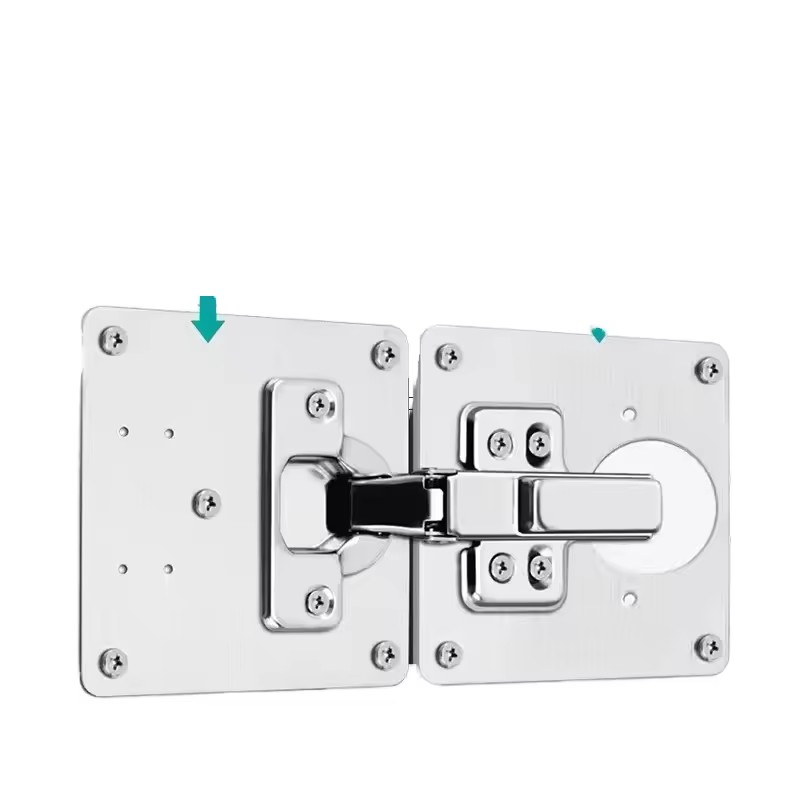
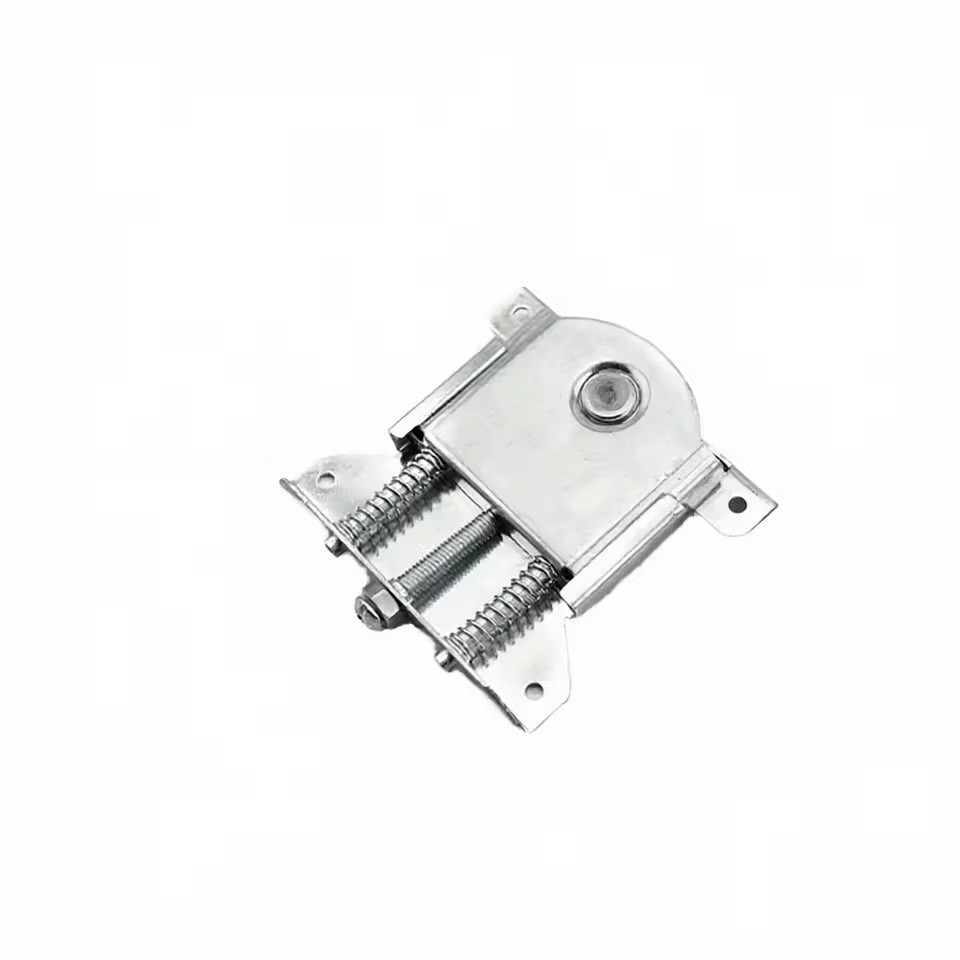
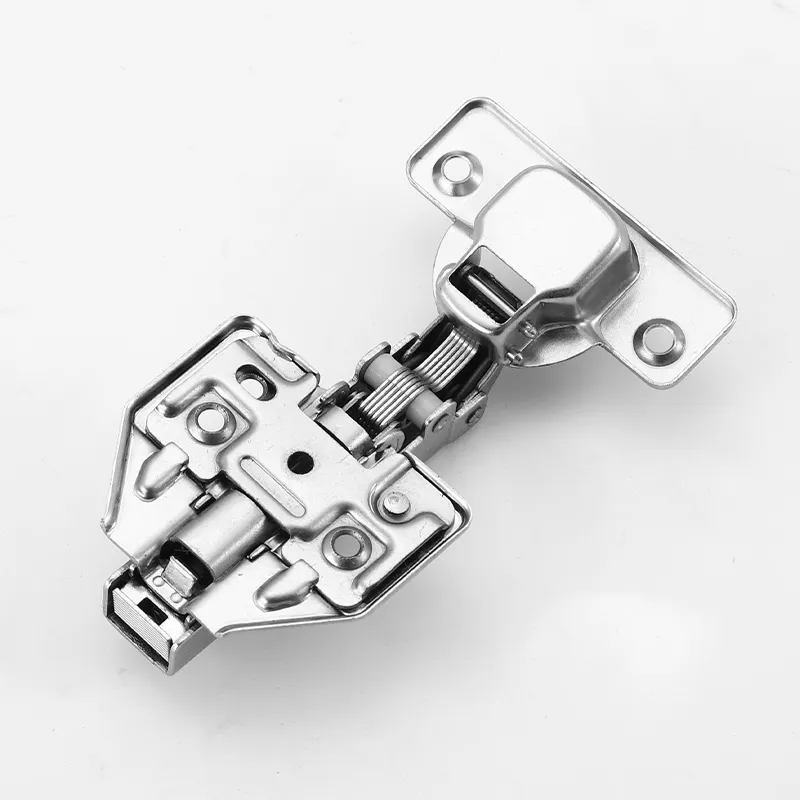
Source high-torque lift-up systems, soft-closing damper slides, concealed hinges, and repair assemblies with comprehensive OEM/ODM certifications direct from Guangdong's hardware manufacturing hub.
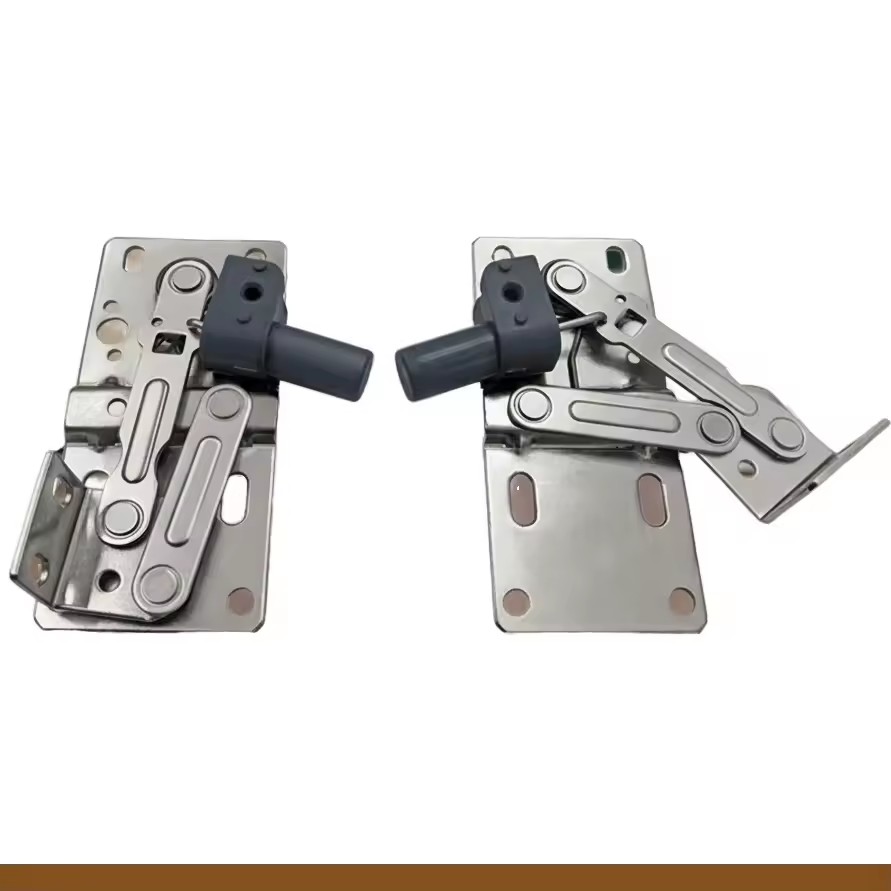
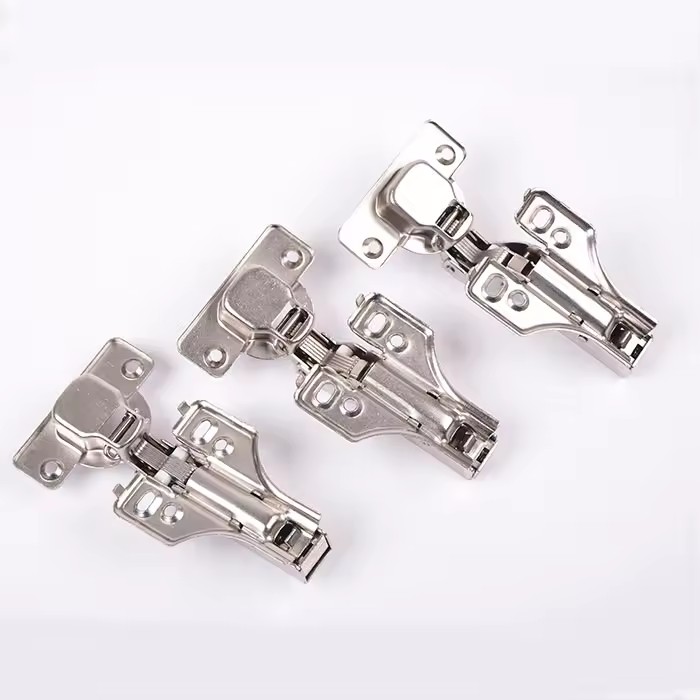
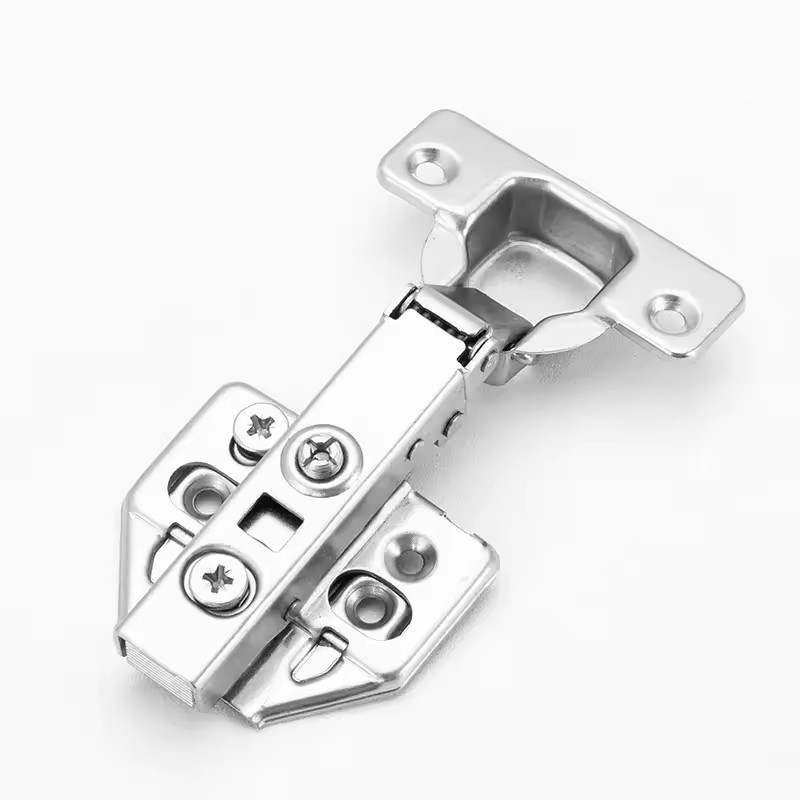
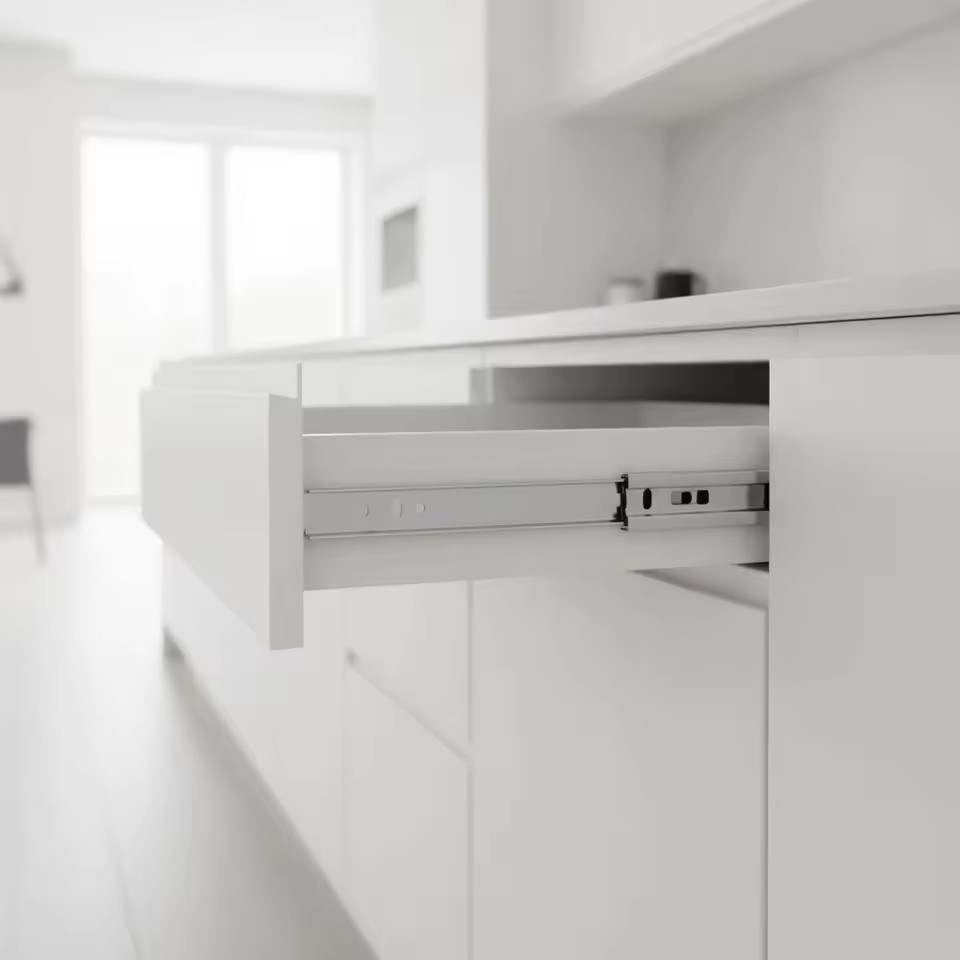
Whitepaper: Engineering Specifications, Kinetic Mechanics, and Global Sourcing Standards for Pneumatic Gas Springs & Motion Hardware
In modern industrial design, architectural cabinetry, automotive interiors, and medical device enclosures, controlled mechanical articulation is a fundamental performance benchmark rather than a secondary aesthetic feature. As China's premier manufacturer and exporter of pneumatic gas springs and kinetic furniture hardware, our manufacturing ecosystem combines precision metallurgy, nitrogen thermodynamic balance, micro-damping hydraulics, and cold-rolled structural stamping. Global procurement officers and hardware distribution networks face escalating end-user demands for lifetime durability, corrosion tolerance, smooth kinematics, and exact force tolerances (measured in Newtons, N). This whitepaper provides a comprehensive framework for selecting, procuring, and integrating high-performance pneumatic gas springs, lift-assist cylinders, and complementary mechanical damping systems.
Kinetic Physics of Pneumatic Gas Springs: Pressure Chambers, Seal Integrity & Damping Dynamics
A pneumatic gas spring (frequently designated as a gas strut, gas shock, or lift support) consists of four mission-critical engineering components:
- Precision Steel Pressure Cylinder: Fabricated from seamless cold-drawn steel tubes subjected to micro-bore burnishing to achieve interior wall roughness below Ra 0.2 μm, minimizing dynamic friction against elastomer seals.
- QPQ or Hard-Chrome Piston Rod: Quenched-Polish-Quenched (QPQ) treated or hard-chromium plated micro-alloy carbon steel (SAE 1045 or equivalent), offering salt-spray corrosion resistance exceeding 96 hours without blistering or oxidation.
- Multi-Lip Hermetic Seal Pack: Incorporates nitrile butadiene rubber (NBR) or fluorocarbon (FKM) elastomer compounds paired with polyurethane scraper rings to lock in ultra-high internal nitrogen gas charges (ranging from 20 to 180 Bar) under operational temperatures from -30°C to +80°C.
- Internal Hydraulic Damper Reservoir: Filled with a calibrated viscosity index (VI) hydraulic fluid that acts as a terminal deceleration cushion when the piston rod reaches maximum extension, ensuring silent, anti-slam operation.
Nitrogen Thermodynamic Purity
Every strut is vacuum-degassed and charged with 99.999% molecular pure dry nitrogen gas, completely eliminating oxygen moisture condensation, internal wall pitting, and force degradation across seasonal temperature fluctuations.
Modular End Fitting System
Quick-release ball studs, zinc-alloy clevis eyes, steel flange plates, and threaded stainless rod ends (M6/M8) allow rapid drop-in integration into kitchen flap doors, RV storage bays, hospital beds, and server rack canopies.
Certified Cyclic Endurance
Exceeding EN 15338 and ANSI/BHMA A156.9 benchmarks, our gas struts and hydraulic concealed hinges consistently maintain rated lifting force beyond 50,000 continuous opening and closing cycles without pressure decay.
Future Sourcing & Procurement Trends for Industrial & Architectural Hardware (2025–2030)
The global furniture and architectural motion hardware procurement landscape is undergoing major systemic shifts driven by automated smart living, carbon-neutral supply chain auditing, and customized micro-living configurations. Importers and OEM brand buyers must align procurement programs with three structural developments:
1. Push-to-Open & Electronic Kinetic Hybridization
Handle-less minimalist cabinetry design is expanding across kitchen, bathroom, and office furniture sectors. This has forced the convergence of mechanical gas springs with touch-release push latches. In next-generation lift assemblies, an integrated electromechanical solenoid works in tandem with a low-pressure pneumatic assist strut, providing effortless door opening with a light tap, followed by an ultra-smooth motorized or damped manual closure.
2. Consolidation of Hardware Ecosystems (One-Stop Container Synergies)
Logistical volatility, fluctuating ocean freight tariffs, and customs documentation burdens have rendered single-product factory sourcing obsolete. Modern Tier-1 importers in North America, Western Europe, and the Middle East prioritize diversified manufacturers capable of consolidating complementary fittings into unified 20GP/40HQ containers. Sourcing soft-closing gas springs, 3D hydraulic concealed hinges, full-extension ball bearing drawer slides, and heavy-duty sliding door tracks from a singular Guangzhou manufacturing and QC center yields 14% to 22% lower landed costs per SKU.
3. Surface Treatment Advancements for Extreme Humid Environments
Conventional zinc-electroplating fails rapidly in coastal markets throughout Southeast Asia, the Caribbean, and the Gulf Coast. B2B buyers now mandate multi-stage surface treatments, including vacuum cathodic electrophoresis (black/graphite finishes), duplex nickel plating with organic topcoats, or austenitic 304/316 grade stainless steel builds that pass 120-hour neutral salt-spray (NSS) ASTM B117 testing without red corrosion emergence.
Engineering Comparison: Pneumatic Counterbalance vs. Mechanical & Hydraulic Alternatives
Choosing the correct motion control technology directly impacts long-term product warranties, installation efficiency, and user experience. The engineering data below outlines structural trade-offs:
| Performance Parameter | Pneumatic Gas Springs | Mechanical Friction Stays | Pure Hydraulic Lift Arms | Mechanical Counterbalance Coils |
|---|---|---|---|---|
| Force Profile | Flat, nearly constant push gradient | Steep exponential resistance | Velocity-dependent resistance | Linear Hooke's Law (F=kx) |
| Terminal Cushioning | Integrated micro-hydraulic damping | None (Hard impact stop) | Excellent dynamic damping | High springback risk without bumper |
| Enclosure Form Factor | Ultra-compact, slim profile | Bulky scissor linkages | Moderate to large assembly | Bulky enclosed coil housing |
| Cycle Life Expectancy | 50,000 to 100,000 cycles | 15,000 to 25,000 cycles | 60,000 to 80,000 cycles | 30,000 cycles (fatigue prone) |
| Installation Complexity | Tool-free snap-in ball studs | Multi-screw track calibration | Heavy bracket alignment | High-tension manual calibration |
Factory Advantages & Core Competencies: Why Global Importers Partner with Aviano
Operating out of Guangzhou, Guangdong—the epicenter of global architectural hardware manufacturing—Guangzhou Aviano Hardware Co., Ltd. has established an export supply chain serving distributors, furniture brands, and architectural contractors in over 30 countries since 2011. Our competitive advantages provide verified, transparent support for your procurement pipeline:
- Vetted Manufacturing Alliances: Direct operational management across automated cold-rolling, hydraulic cylinder machining, zinc die-casting, and robotic stamping lines throughout the Pearl River Delta industrial cluster.
- Strict Sample-to-Production Fidelity: We reject batch-to-batch deviations. Pre-shipment checks measure dynamic loading tolerances, cup boring concentricity, nitrogen fill accuracy (±3% N tolerance), plating thickness, and damping duration on specialized cycle test rigs. Third-party inspections (SGS, TÜV, Intertek) are actively supported.
- Complete Private Label (OEM/ODM) Capabilities: From laser-etched custom logos on hinge arms and branded dust caps to tailored multi-lingual retail blister packs, inner craft boxes, and drop-tested master export cartons.
- Fast Inquiry Response: Average B2B response time maintained under 2 hours on business days, backed by engineering assistance that translates CAD drawings, door weights, and opening geometry into precise hardware specifications.
- Flexible Trade and Financing Frameworks: Full support for FOB (Guangzhou, Shenzhen, Foshan), CIF, and EXW shipment protocols with payment flexibility including T/T, L/C at sight, D/P, and secure multicurrency wire clearing (USD, EUR, CNY).
Buyer Procurement FAQ: Resolving Technical & Operational Challenges
How do I accurately calculate the required Newton (N) rating for a cabinet flap door gas spring?
F (Newtons) = (Door Weight in kg × Door Height in mm × Center of Gravity Factor) / (Lift Arm Stroke × Safety Factor). As an empirical engineering standard for overhead wood or aluminum-frame kitchen doors: a 3–4 kg door measuring 400 mm in height typically requires two 80N to 100N struts. Using two struts rather than one prevents door leaf twisting and hinge pin shear over prolonged service. Send your panel dimensions and weight to our technical engineering team for precise validation.