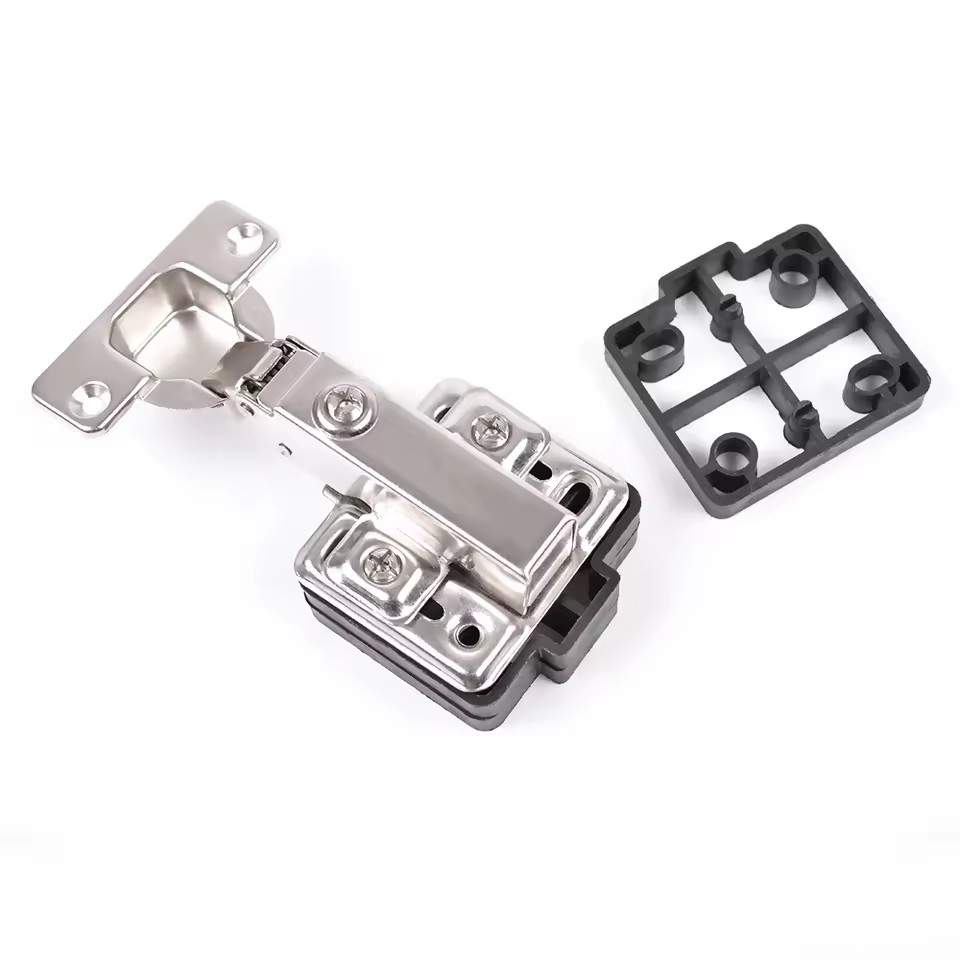
Cabinet Articulation
Direct from our precision manufacturing lines: fully integrated gas struts, concealed soft-closing hinges, cold-rolled slide tracks, and structural wardrobe accessories engineered to international DIN EN and ANSI/BIFMA standards.
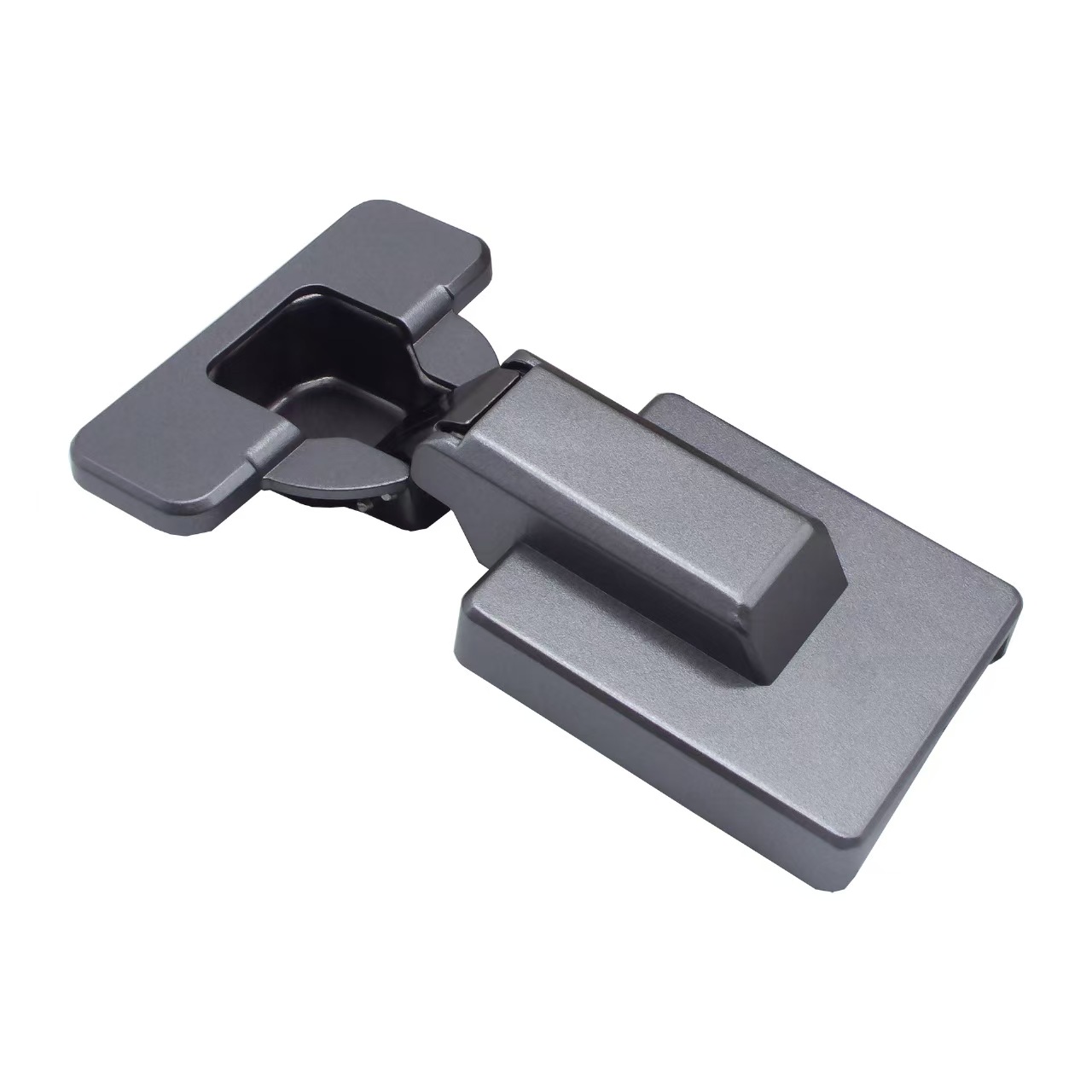
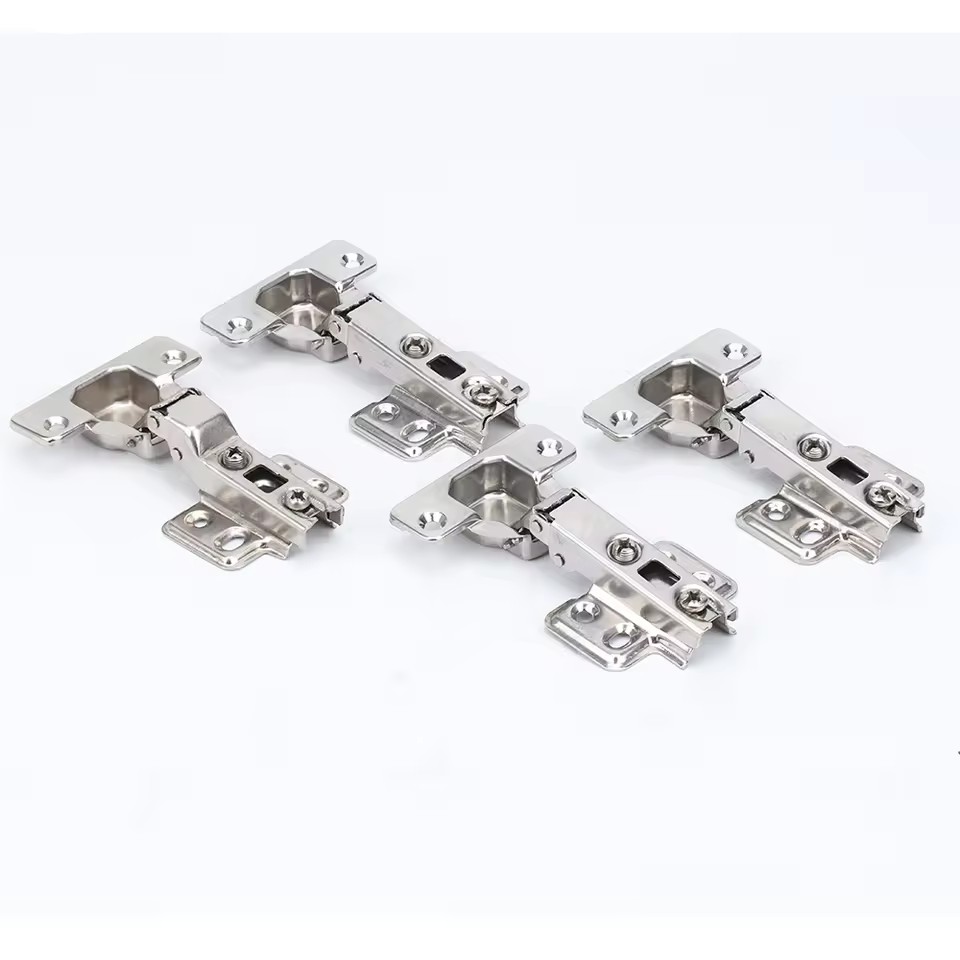
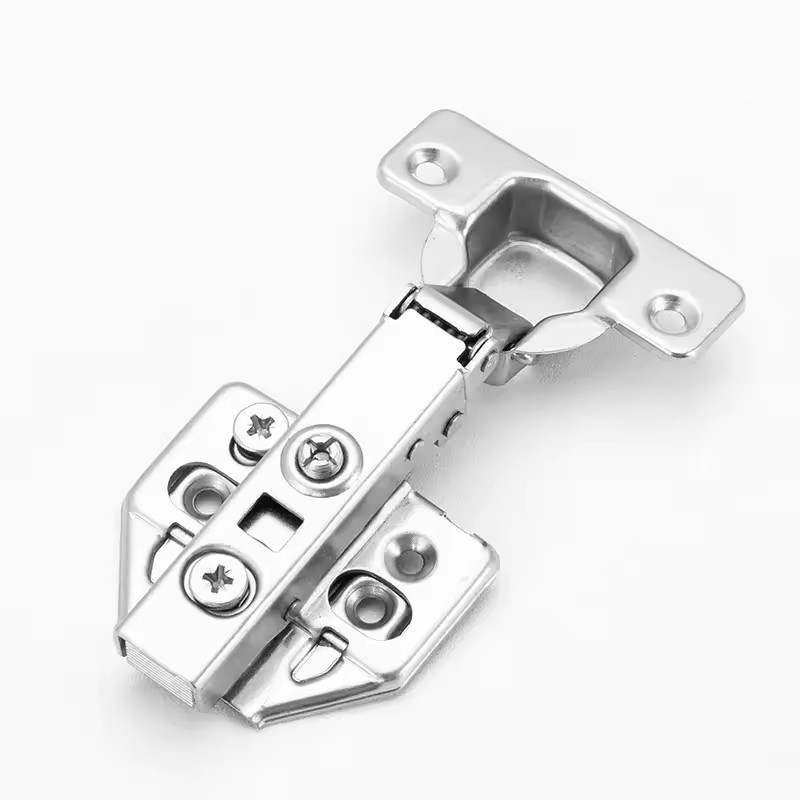
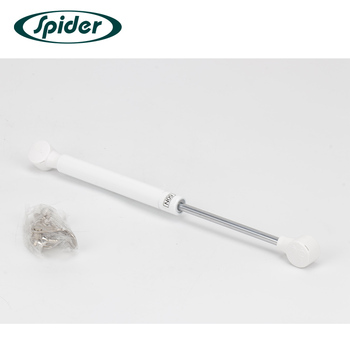
In modern architectural millwork and modular kitchen manufacturing, cabinet gas struts (also known as pneumatic gas springs, overhead cabinet lift supports, or lid stays) function as the critical kinetic counterbalance mechanism for upward-opening, flap-stay, and bi-fold doors. Unlike mechanical helical springs that exert linear Hookean resistance proportional strictly to displacement distance ($F = -kx$), industrial gas struts utilize sealed high-pressure pure Nitrogen ($N_2$) gas operating under thermodynamic compression to maintain a remarkably flat force progression curve throughout the entire door stroke arc.
As an authoritative China wholesale cabinet gas strut manufacturer and exporter operating from the heart of the Guangdong hardware cluster since 2011, Guangzhou Aviano Hardware Co., Ltd. builds pneumatic lift systems engineered to conquer the primary mode of gas spring failure: seal degradation and micro-pressure leakage. Standard commercial struts often suffer from micro-pitting along the piston rod, causing pressure loss within 10,000 to 15,000 cycles. Aviano gas struts are engineered with mirror-polished, hard-chrome plated or QPQ salt-bath nitrided carbon steel rods, coupled with multi-lip polyurethane (PU) and nitrile butadiene rubber (NBR) dual-barrier seal packs. This guarantees leak-proof retention of internal pressures up to 18 MPa over an operating lifespan exceeding 80,000 certified dynamic cycles.
A precision cabinet gas strut consists of an outer seamless cold-drawn steel pressure cylinder ($Q235B$ or precision ST37.4), a precision-ground piston rod ($45\#$ carbon steel or $SUS304$), an internal orifice piston assembly, and a carefully metered charge of synthetic hydraulic damper oil. During the cabinet door opening phase, the compressed nitrogen gas expands, driving the piston rod outward to counteract door gravitation. As the rod approaches maximum stroke extension (typically the final 15 to 20 mm of travel), the internal piston submerges completely into the hydraulic oil reservoir, creating a controlled velocity deceleration effect known as end-position hydraulic cushioning. This prevents sudden hinge shock, dampens kinetic vibration, and eliminates cabinet carcass chatter.
| Engineering Parameter | Standard Commercial Grade | Aviano Export Industrial Grade | Architectural Stainless (SUS304) |
|---|---|---|---|
| Force Rating ($F_1$ at 20°C) | 50N – 120N (±15%) | 40N – 200N (±5% calibrated) | 60N – 300N (±5% precision) |
| Piston Rod Surface Treatment | Standard Flash Chrome (8–10μm) | Hard Chrome Plating or QPQ Nitriding (≥20μm) | Electropolished SUS304 / SUS316 Passivated |
| Salt Spray Corrosion Resistance | ASTM B117 ≤ 48 Hours | Neutral Salt Spray (NSS) ≥ 96–144 Hours | NSS ≥ 480 Hours / CASS ≥ 72 Hours |
| Gas Medium & Purity | Industrial Nitrogen (~95%) | Dry Inert Nitrogen ($N_2$) ≥ 99.99% Purity | Ultra-Dry $N_2$ + Food-Grade Damping Fluid |
| Cycle Durability (DIN EN 15338) | 15,000 to 20,000 Cycles | 50,000 to 80,000 Verified Cycles | > 100,000 Duty Cycles |
| Operating Thermal Range | -10°C to +40°C | -30°C to +80°C (All-climate stabilized) | -40°C to +100°C (Extreme industrial/marine) |
Procuring incorrect gas strut forces leads directly to severe field usability issues: an under-rated strut causes cabinet door droop and failure to stay open, while an over-rated strut imparts violent upward snapping forces that wrench mounting screws out of 18mm melamine or MDF panels. Aviano provides international project teams and cabinet OEMs with precise mechanical calculation models:
Required Force per Strut (N) = [ (Door Weight in kg × 9.81 × Center of Gravity Distance in meters) / (Effective Lever Arm in meters × Number of Struts) ] × 1.15 Safety Factor
For standard overhead kitchen cabinet doors (height 350mm to 500mm, thickness 18mm to 22mm, utilizing two gas struts per cabinet door): doors weighing 2.5kg to 3.5kg generally mandate 80N to 100N ratings; solid wood, framed acrylic, or stone-composite fronts weighing 4.0kg to 5.5kg mandate 120N to 150N struts. Aviano's technical export department provides direct CAD simulation support and bracket pivot optimization for bespoke furniture designs.
Global wholesale procurement in cabinet gas struts and kinetic furniture hardware is undergoing rapid technological evolution. Importers, brand distributors, and custom joinery factories must align their product roadmaps with five decisive market shifts.
Traditional pneumatic struts snap entirely open to 90° or 110°, presenting reach challenges for shorter users in overhead kitchen wall units. Sourcing preference is shifting dramatically toward variable-stop (step-less) mechanical friction gas struts that hold the flap door securely at any intermediate opening angle from 30° through 105°, closing softly under fingertip control.
Minimalist interior architecture demands the elimination of visible bulky pistons inside the cabinet carcass. Leading European and American cabinet brands are adopting ultra-compact, side-wall integrated kinetic lift mechanisms (thickness ≤ 12.5mm) that recess flush into the side gable panels, preserving 100% of internal cabinet storage capacity without sacrificing lift tonnage.
With dark luxury kitchen palettes, smoked oak veneers, and black anodized aluminum profile doors dominating premium architectural specifications, standard silver-painted gas cylinders are rapidly becoming obsolete. Sourcing demand has surged for matte black electrophoresis, gunmetal PVD, and titanium gray finishes that pass rigorous 144-hour neutral salt-spray tests without chipping or releasing VOCs during automated curing.
Combining the engineering agility of Guangzhou's central hardware export corridor with rigorous German DIN-standard inspection protocols.
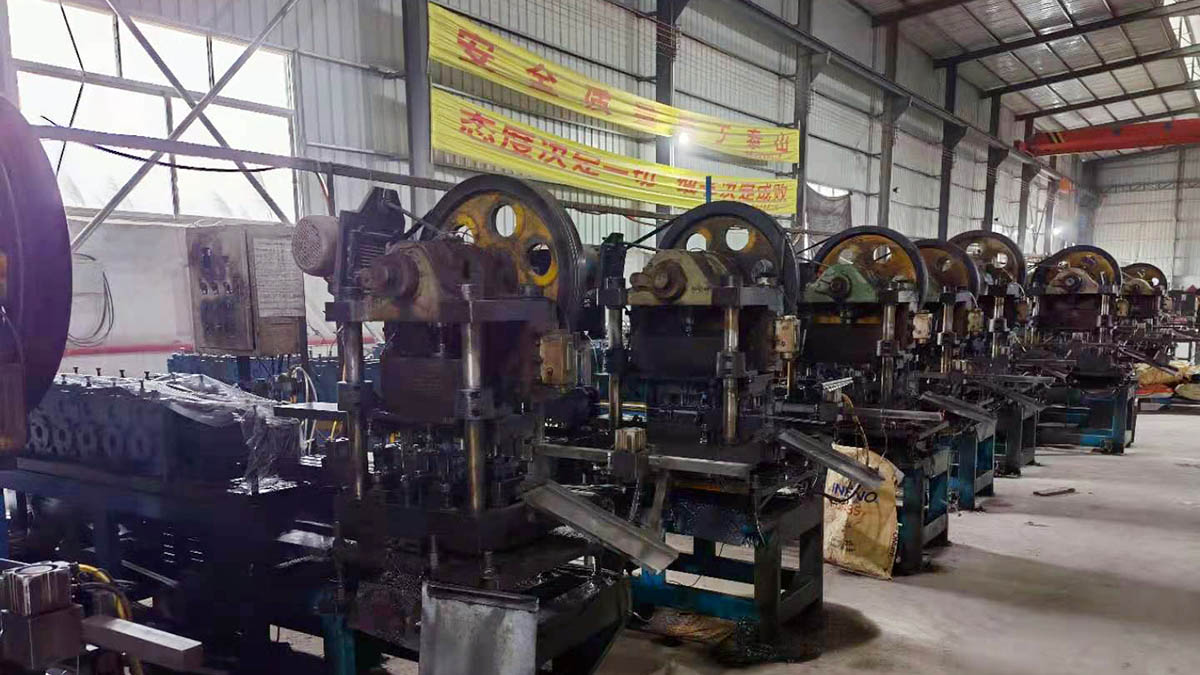
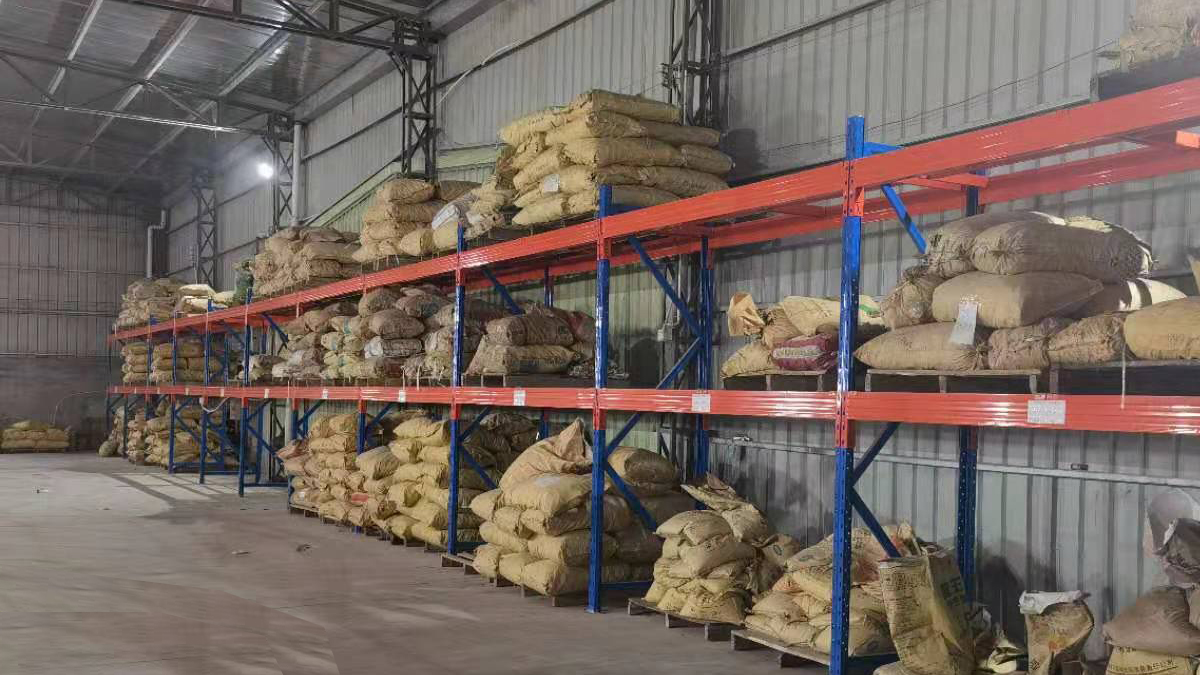
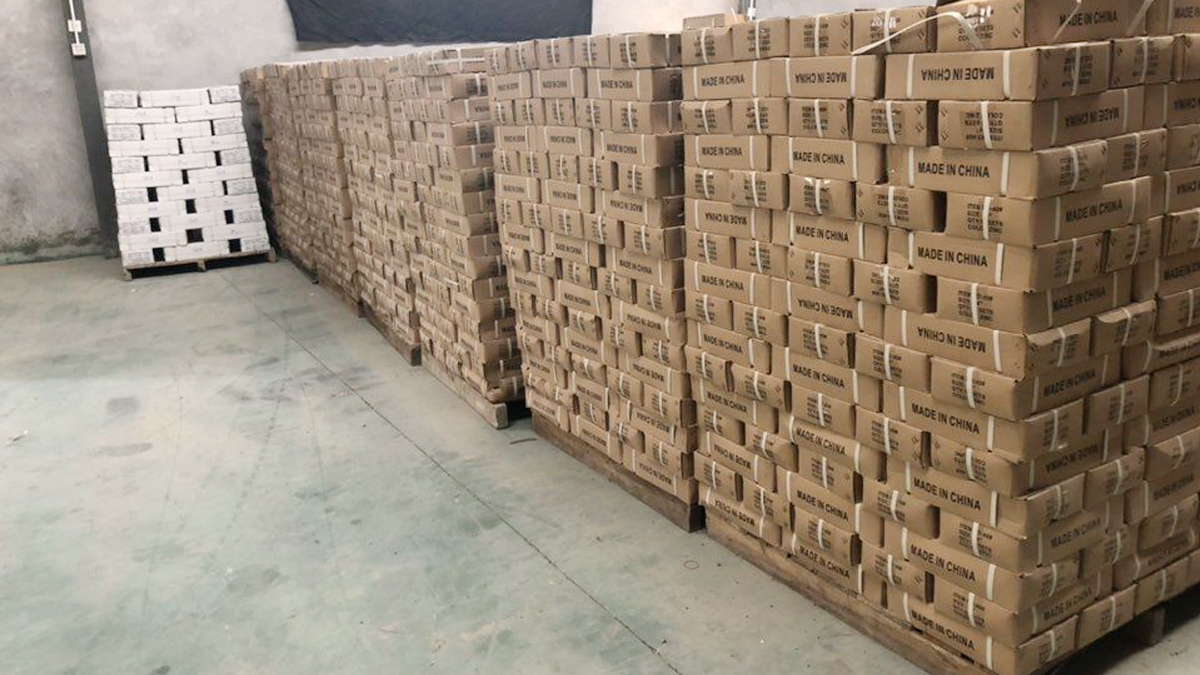
Guangzhou Aviano Hardware Co., Ltd. is not merely a trading intermediary; we are a specialized furniture hardware engineering and export powerhouse founded in 2011. Our deep integration into the Guangdong hardware manufacturing cluster (spanning Shunde, Zhongshan, and Gaoyao) gives global buyers unparalleled pricing stability, rapid toolmaking capabilities, and complete control over metallurgical quality.
Micro-tolerance grinding of piston rods achieving surface roughness under Ra ≤ 0.04 μm, eliminating seal wear and micro-fissure nitrogen dissipation.
Every single gas strut undergoes dual-stage computerized force testing ($F_1$, $F_2$, $F_3$, $F_4$) and high-temperature bubble immersion testing before carton sealing.
Patented hydraulic valves calibrated for zero-rebound soft closure, protecting delicate tempered glass doors and aluminum profile joinery from impact fracture.
Packaged in desiccated inner vapor-barrier polybags inside five-tier reinforced corrugated master cartons, palletized and shrink-wrapped for zero maritime transit rust.
Comprehensive answers addressing minimum order thresholds, technical tolerances, surface finishes, warranty parameters, and container consolidation logistics.
For standard warehouse-stocked models in standard finishes (metallic silver or matte black with standard 80N, 100N, or 120N ratings), our MOQ starts from as low as 500 to 1,000 pieces per specification. For full OEM/ODM private-label orders—which include customized laser branding on the cylinder tube, specific custom stroke lengths, bespoke end-fitting brackets (ball studs, flat eyelets, or wooden plate connectors), and custom-printed individual packaging—our production MOQ is typically 3,000 pieces. To support new distributor trials, we happily accommodate mixed container orders combining gas struts, 35mm soft-closing concealed hinges, and 45mm full-extension drawer slides.
Pneumatic gas springs strictly adhere to Charles's Law of Ideal Gases: pressure is directly proportional to absolute thermodynamic temperature ($P_1/T_1 = P_2/T_2$). Under standard physics, gas strut output force fluctuates by approximately 3.4% for every 10°C change. In sub-zero export destinations (such as Northern Europe, Canada, or winter Middle East climates), standard struts can feel sluggish or fail to hold doors fully open. Aviano mitigates this by utilizing ultra-pure, dry nitrogen gas ($99.99\%$ purity) devoid of moisture vapor (which freezes and ruins seals) combined with low-viscosity, temperature-stabilized synthetic hydraulic fluid rated down to $-30°C$. This maintains stable damping and force consistency across varying global seasons.
Cabinet gas struts must almost always be installed with the piston rod pointing downward when the cabinet door is in its closed resting position. This orientation serves two vital mechanical purposes: First, it ensures that the internal hydraulic damping oil settles naturally around the rod seal and packing gland, keeping the rubber elastomer lubricated, supple, and preventing premature micro-fissuring and gas escape. Second, as the door opens and the rod extends, the piston enters the oil reservoir during the terminal phase of the travel arc, providing smooth, controlled hydraulic cushioning rather than violent, uninhibited pneumatic impact.
Aviano products are engineered to conform to DIN EN 15338 (Hardware for Furniture - Strength and Durability of Extension Elements), ISO 9001:2015 quality management frameworks, and ANSI/BIFMA X5.5 standards. We provide buyers with verifiable third-party SGS test reports covering 96-hour neutral salt spray (ASTM B117) corrosion resistance, continuous mechanical fatigue endurance tests (50,000+ cycle verification), and RoHS compliance for non-toxic surface treatments. We welcome buyer-appointed pre-shipment inspection teams (such as SGS, TÜV, Intertek, or BV) prior to container loading at our Guangzhou warehouse.
We provide standard export terms including FOB Guangzhou / FOB Shenzhen / FOB Foshan, as well as CIF and CFR to any major global seaport. For air freight or urgent project sampling, EXW and DDP terms are available. Standard production lead times for 20ft/40ft containers average 25 to 30 business days following sample sign-off and deposit receipt. Standard payment terms are T/T (30% deposit upon proforma invoice confirmation, 70% balance against copy of Bill of Lading), with Irrevocable Letters of Credit (L/C at sight) accepted for established commercial volume contracts.