Precision-Engineered Cabinet Profile Pulls & Structural Hardware Systems
Manufactured according to ISO 9001 and verified through rigorous metallurgical, anodizing, and cyclic load testing protocols in Guangdong's premier hardware cluster.
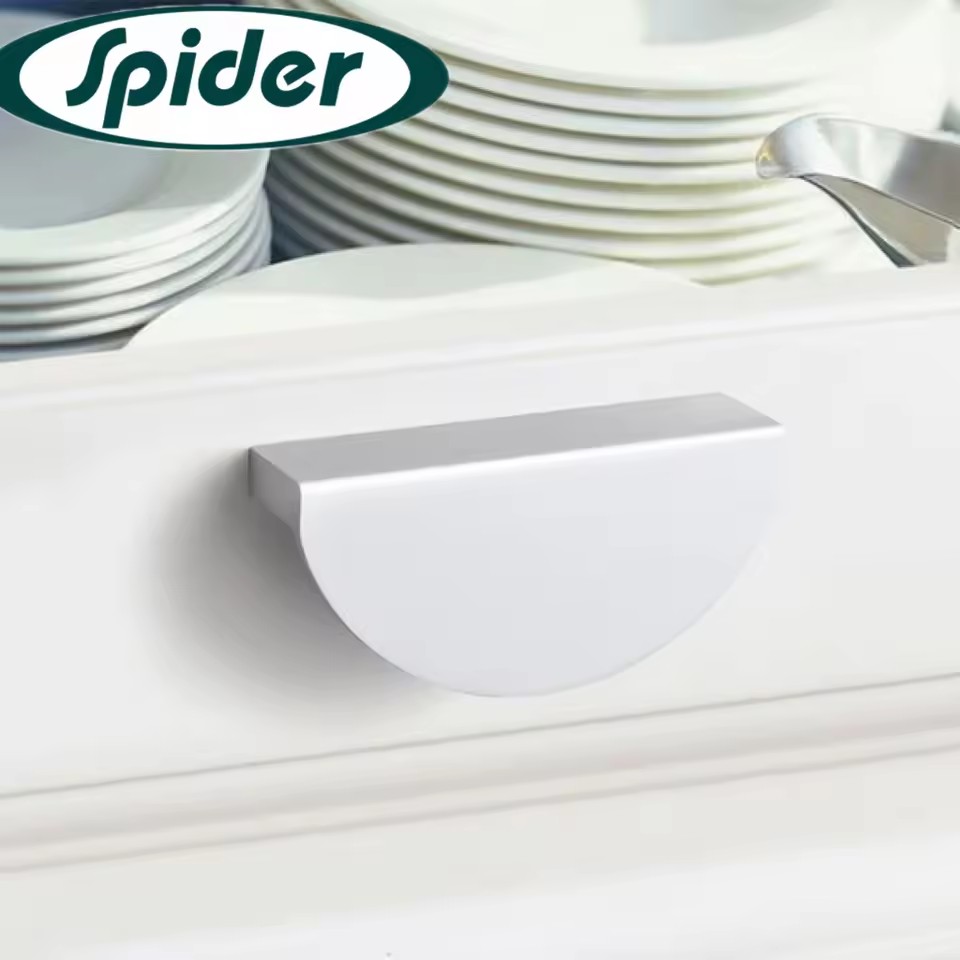
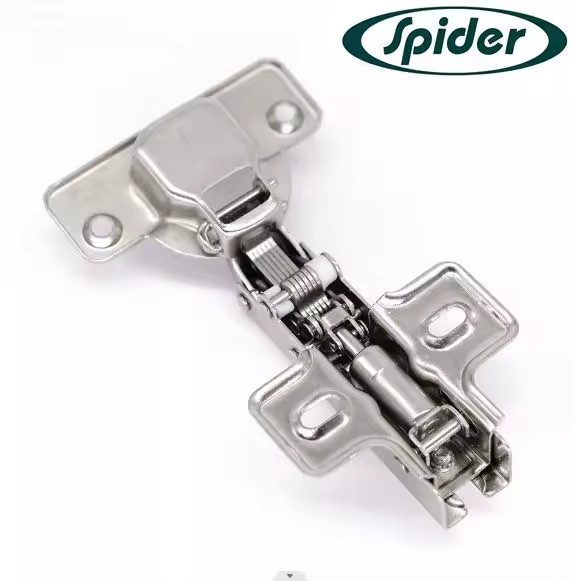
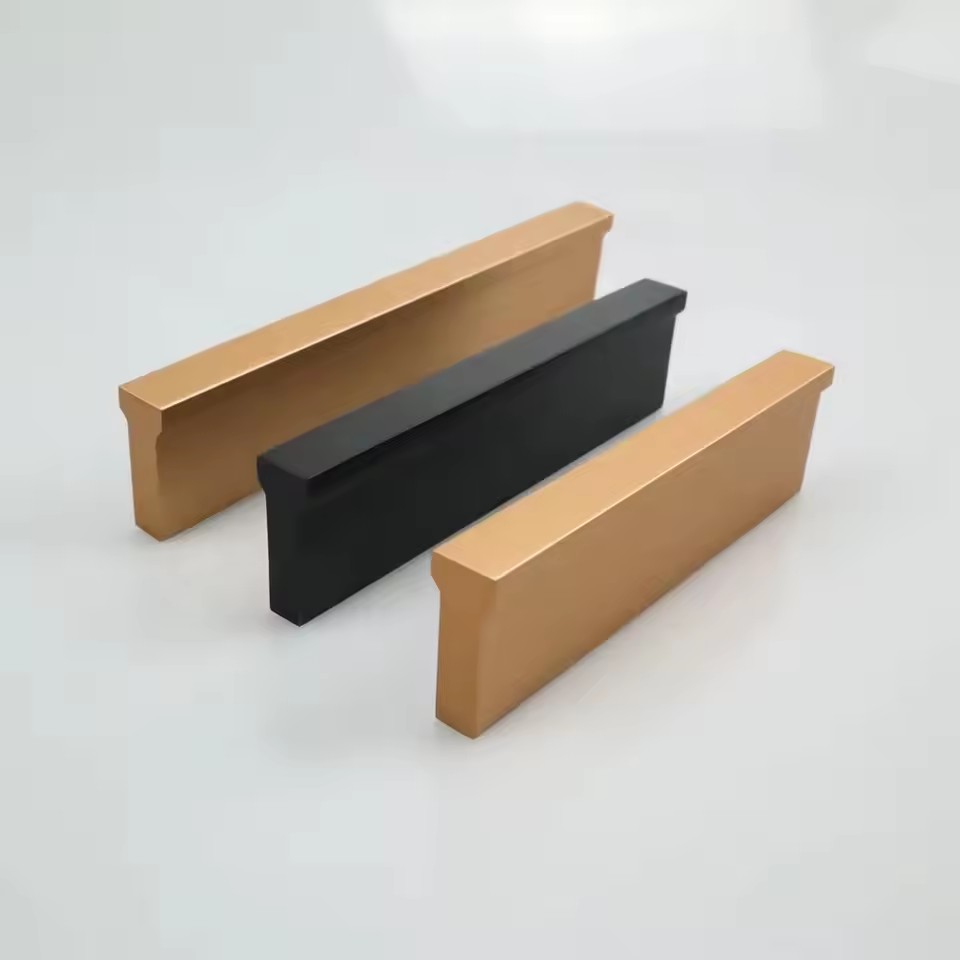
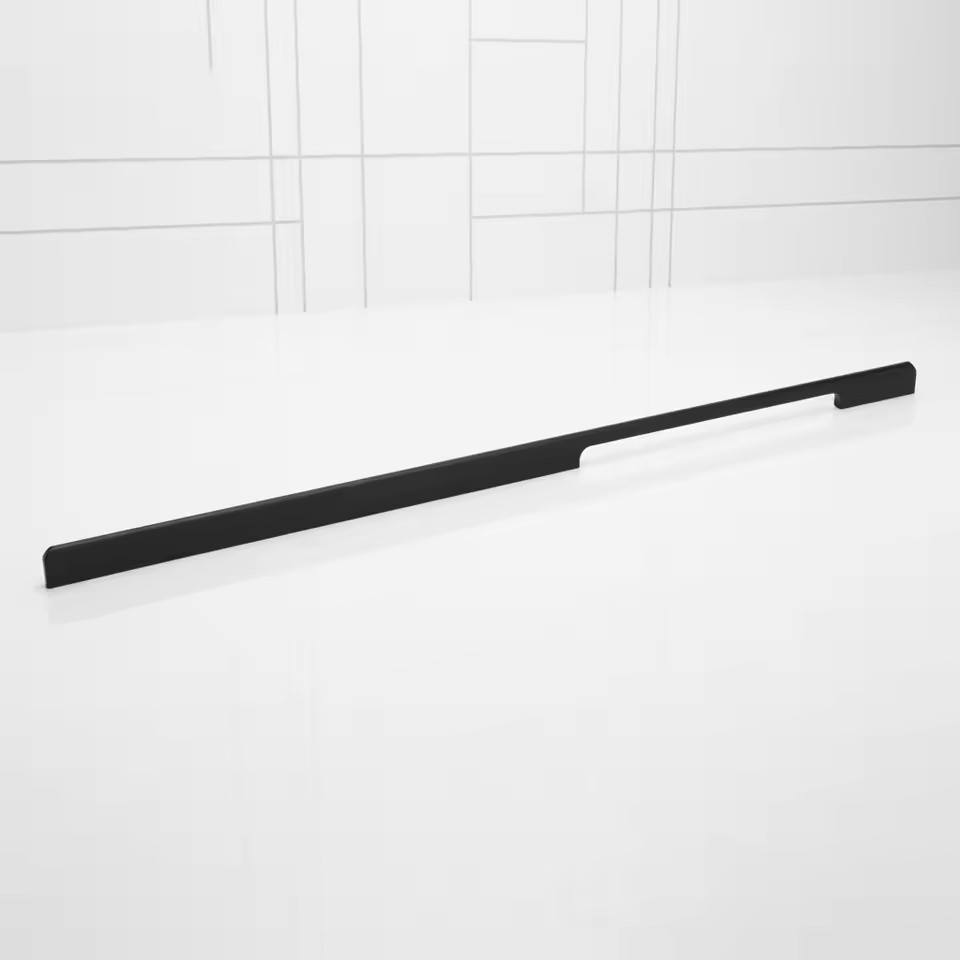
The Structural Superiority of China Profile Cabinet Handle Manufacturing
In the architectural joinery, modular kitchen fabrication, and high-end millwork sectors, the specification of cabinet hardware has fundamentally shifted. Global architectural hardware buyers—spanning commercial procurement officers, distribution center merchandisers, and Tier-1 cabinet makers—are actively transitioning from traditional zinc-alloy die-cast hardware to extruded aluminum alloy profile handles. China, specifically the concentrated manufacturing clusters of the Pearl River Delta in Guangdong Province (spanning Guangzhou, Foshan, Zhongshan, and Shunde), supplies over 70% of the world’s architectural aluminum handle extrusions.
The engineering edge behind China wholesale profile cabinet handle factories lies in the convergence of upstream metallurgical precision and downstream chemical surface finishing. Aluminum profile handles (commonly designated as J-pull, G-profile, edge pull, lip pull, and recessed continuous profiles) are extruded from premier 6063-T5 architectural grade aluminum alloy. Compared to standard die-cast handles, continuous profile handles provide structural integrity along spans extending up to 3 meters, resisting torsional deflection while ensuring absolute planar straightness across full-height wardrobe doors and wide kitchen drawer banks.
Understanding this manufacturing architecture allows professional buyers to extract significant information gain. The extrusion process forces heated aluminum billets through custom high-grade tungsten steel dies at pressures exceeding 1,500 metric tons. Following extrusion, computer-controlled aging ovens temper the profiles to attain a Webster hardness of ≥12 HW. Subsequent CNC multi-axis milling machines perform precision miter cuts, tap screw ports with high-torque mechanical tolerances, and route seamless finger recesses that eliminate sharp burrs. This rigorous automated process ensures that when hardware distributors purchase containerized lots, every single lineal meter adheres to nominal engineering tolerances within ±0.15mm.
6063-T5 Structural Billet Integrity
Strict utilization of virgin A00 ingot feedstocks eliminates internal micro-voids, delivering tensile strengths ≥160 MPa and yield strengths ≥110 MPa for zero-warpage extended pulls.
Electrolytic Surface Nanochemistry
Micro-crack-free anodic oxide coatings (10–15μm) undergo nickel-fluoride deionized hydration sealing, surpassing 72-hour neutral salt spray (NSS) corrosion evaluations without pitting.
Tooling Amortization & OEM Flexibility
Proprietary CNC die-cutting capabilities permit client-specified profile extrusion tooling creation within 10 to 14 working days, drastically reducing capital barriers for bespoke runs.
Future Procurement & Product Development Trends (2025–2030)
Procurement teams for residential developers and flat-pack RTA (Ready-to-Assemble) furniture brands must anticipate technological and design developments over the next five-year product lifecycle. Analyzing purchasing behavior across European, Middle Eastern, and North American markets reveals four dominant supply-chain developments that are fundamentally reshaping profile handle procurement:
1. Architectural Integration of Continuous Edge-Mount Profiles: The transition toward handleless, monolithic cabinetry has made visible face-mounted knobs secondary in contemporary European kitchen design. The industry has standardly migrated toward Gola profile channels and door-top J-profiles recessed directly into carcass side panels and door tops. In 2025 and beyond, China’s advanced exporters are supplying profile handles pre-grooved for hidden rubber acoustic dampening gaskets and pre-drilled integrated clips that reduce on-site cabinetry assembly labor by up to 35%.
2. Smart LED-Integrated Aluminum Extrusion Profiles: The boundaries between functional hardware and interior architectural lighting have merged. The fastest-growing procurement category in profile hardware encompasses handles engineered with co-extruded channels designed to house ultra-thin 4mm/8mm COB (Chip-on-Board) 24V LED strip lights. These hybrid profile systems feature snap-in diffused polycarbonate (PC) lenses and integrated conduit cavities, providing subtle finger-recess illumination alongside functional ergonomics.
3. Advanced Nano-Ceramic and PVD Anodized Finishes: While standard chemical matte anodizing remains standard, premium commercial projects demand high wear-resistance finishes capable of surviving rigorous commercial wear cycles. Leading Guangdong exporters are pioneering the industrialization of Physical Vapor Deposition (PVD) over extruded aluminum, alongside micro-arc oxidation (MAO). These processes produce exceptionally resilient metallic coatings in Brushed Champagne, Brushed Gunmetal, and Warm Titanium that withstand heavy acid perspiration and abrasive micro-wear testing beyond 100,000 operational cycles.
4. Low-Carbon Recycled Aluminum and Carbon Footprint Traceability: Global regulatory frameworks, notably the European Union’s Carbon Border Adjustment Mechanism (CBAM), have introduced strict carbon accounting to hardware imports. Chinese manufacturing leaders are systematically incorporating verified low-carbon recycled aluminum (minimum 75% post-consumer scrap billets processed via hydro-electric energy sources), delivering certified green sustainability documentation that allows Western distributors to comfortably achieve ESG and LEED environmental compliance.
| Evaluation Parameter | Standard Profile Handles | Aviano Industrial-Spec Profile Handles | Direct Commercial Impact |
|---|---|---|---|
| Base Metal Chemistry | Secondary Scrap Ingot (Varying Purity) | Certified Virgin 6063-T5 Alloy (Fe ≤ 0.25%, Mg 0.45–0.9%) | Eliminates structural brittleness and grain fractures during transit and high-load usage. |
| Oxide Film Thickness | 5–8 μm (Thin Commercial Layer) | ≥ 12–15 μm (Class AA15 Structural Anodizing) | Guarantees surface wear resistance in humid coastal environments and tropical regions. |
| Salt Spray Resistance (NSS) | 24–48 Hours before White Rust | ≥ 96 Hours (ISO 9227 / ASTM B117 Compliance) | Zero cosmetic degradation in coastal kitchens, hospitality projects, and containerized ocean shipping. |
| Dimensional Tolerance | ±0.50 mm (Manual Saw Cutting) | ±0.15 mm (High-Speed Multi-Axis CNC Saws) | Seamless alignment across multi-door runs; prevents gaps or door collision during installation. |
| Edge Processing | Raw Miter Cut with Visible Burr | Automated Micro-Chamfering & Radius Deburring | Smooth tactile touch; prevents consumer injury and eliminates liability risks for cabinet brands. |
Our Enterprise Sourcing Strengths & Export Infrastructure
Founded in 2011 in the heart of Guangzhou, Guangdong, Guangzhou Aviano Hardware Co., Ltd. serves as a reliable manufacturing and export gateway for international cabinet hardware distributors, kitchen manufacturers, and commercial project contractors across more than 30 countries. We bridge the critical gap between raw Chinese industrial production capacity and international procurement standards, providing end-to-end quality assurance, supply chain transparency, and multi-category container consolidation.
Full-Spectrum Container Consolidation
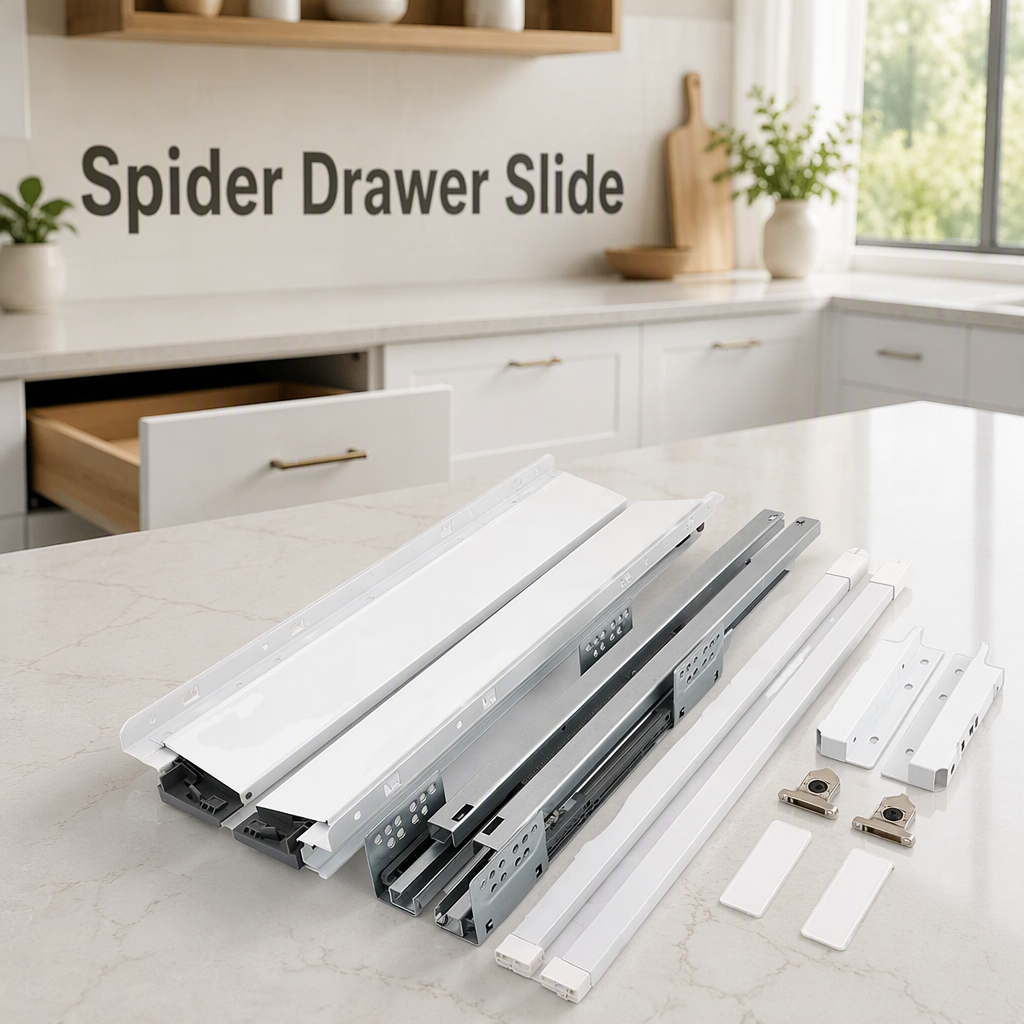
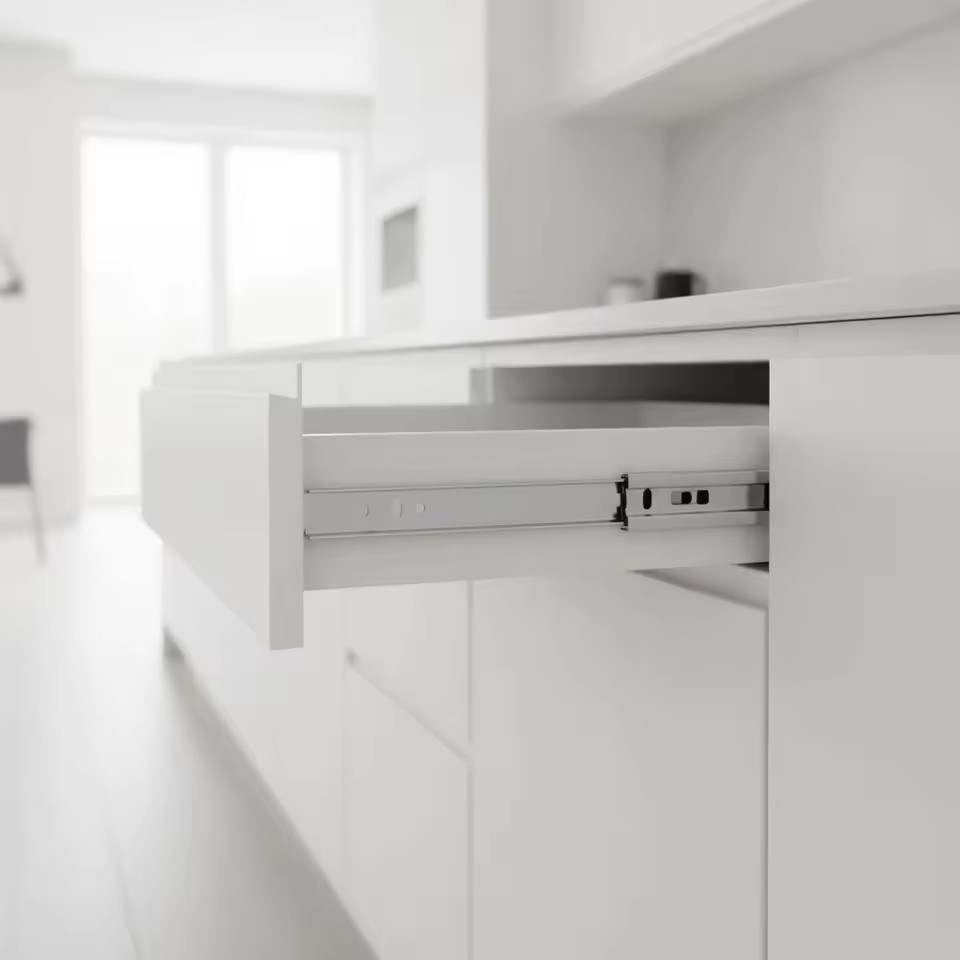
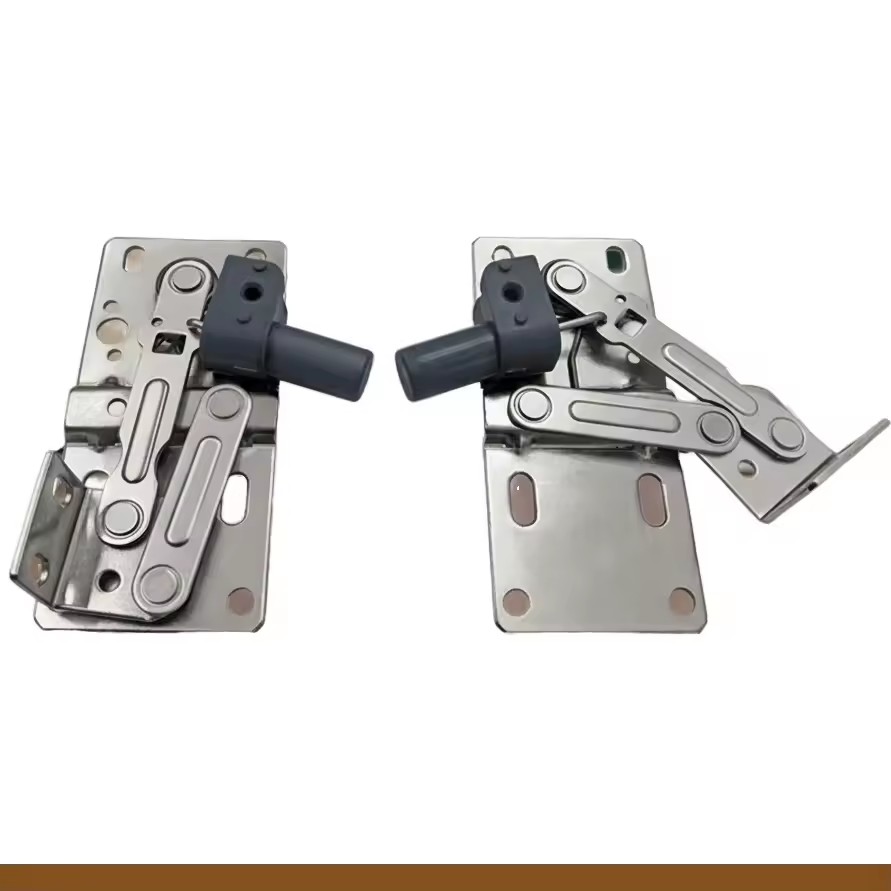
We solve the logistical fragmentation that plagues foreign buyers. By consolidating profile handles, soft-close hydraulic concealed hinges, undermount telescopic drawer slides, and gas spring stays into unified container shipments (FOB/CIF/EXW), we slash our clients' handling, customs clearance, and freight costs.
Rigorous Pre-Shipment Quality Protocol
Our on-site engineering inspectors measure every lot against agreed physical golden samples. Checks cover profile straightness (camber/bow ≤0.5mm per meter), coating thickness verification via eddy-current instruments, cross-hatch adhesion testing (ASTM D3359), and customized packaging drops.
Responsive OEM/ODM Engineering Team
With an average technical quotation turnaround within 2 hours and an international export sales team fluent in technical English, we facilitate CAD/SolidWorks adjustments, laser-marked branding on hinge arms, customized private-label barcoded retail packaging, and swift rapid-sample prototyping.
Frequently Asked Questions (FAQ) for Profile Cabinet Handle Importers
Real-world technical, logistical, and commercial inquiries answered by Aviano Hardware's export engineering department to streamline your order execution.
What is the standard alloy composition and temper used for cabinet profile handles, and why does it matter?
How do you prevent anodizing color discrepancies across different manufacturing batches?
What are the standard lengths available, and can profiles be delivered pre-cut to custom cabinet door dimensions?
What is the typical Minimum Order Quantity (MOQ) and production lead time for custom tooling extrusions?
How are continuous aluminum profile handles packaged to prevent surface scratching during ocean transport?
Can we consolidate profile handles with hinges, drawer runners, and gas struts in a single mixed container?
Request Detailed Architectural Profile Catalogs & Die Specifications
Connect directly with our export engineering and sales department to review full CAD cross-sections, sample programs, landed CIF pricing, and comprehensive testing documentation.