[email protected] Average response time ≤ 2 hours Guangzhou, Guangdong, China
  • 🇬🇧 English
  • 🇪🇸 Español
  • 🇫🇷 Français
  • 🇸🇦 العربية
  • 🇷🇺 Русский
  • 🇵🇹 Português
  • 🇹🇷 Türkçe
B2B Engineering Whitepaper & Strategic Sourcing Guide

OEM/ODM Soft Close Hinge Factories & Exporters

Global metallurgical specifications, kinematic performance standards, automated manufacturing benchmarks, and strategic container consolidation for tier-1 distributors and architectural cabinet builders.

Precision Hardware Catalog

Curated Architectural & Cabinetry Hardware Portfolio

Direct from our manufacturing hubs in Guangzhou and Guangdong. Each component undergoes robotic cycling, micro-gap kinematic calibration, and rigorous neutral salt spray testing before global export dispatch.

Mechanical Engineering Insights

The Metallurgy and Kinematics of Commercial Soft-Close Hinges

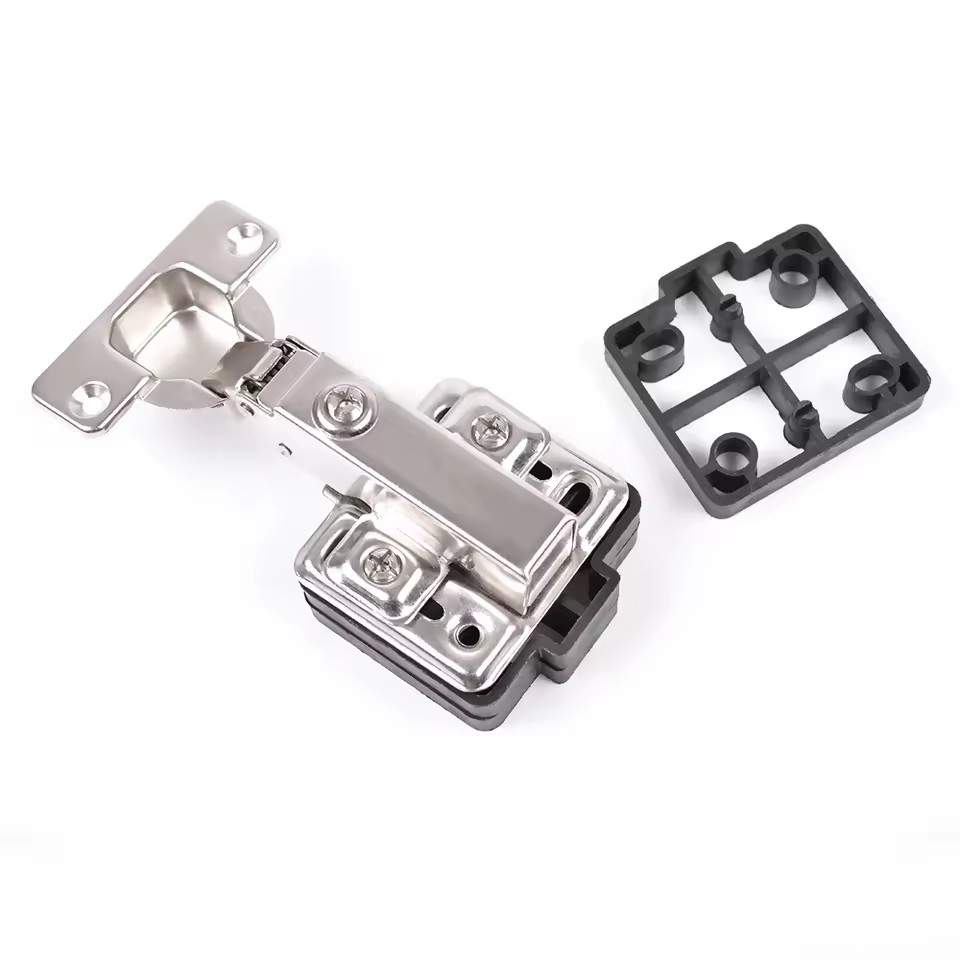
A concealed cabinet hinge is an intricate mechanical assembly operating under continuous shear forces, dynamic moment loads, and repetitive hydraulic displacement. Understanding component anatomy prevents costly field failures.

Hydraulic Damper & Fluid Thermodynamics

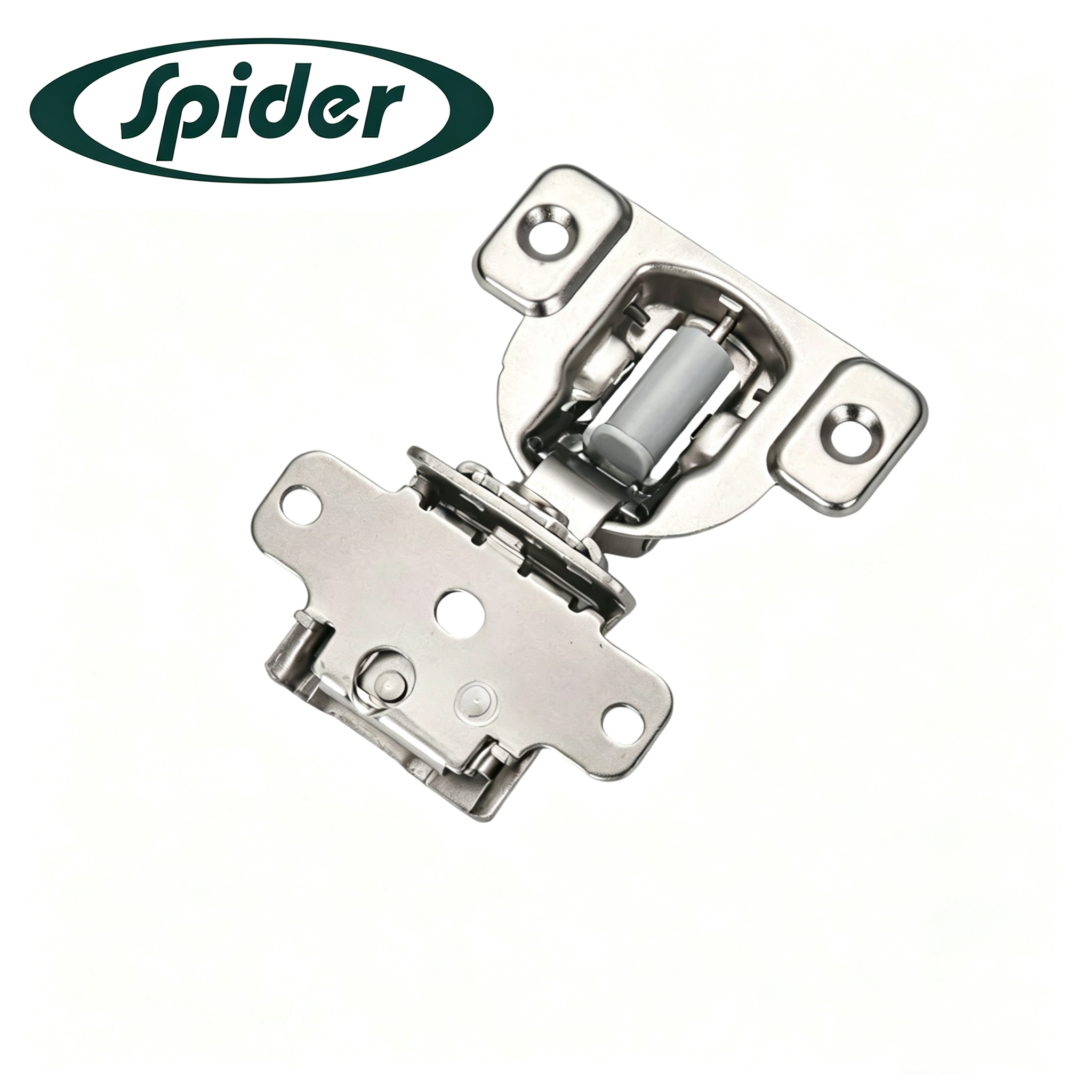
The core of a soft-close hinge relies on a sealed micro-hydraulic cylinder loaded with high-viscosity synthetic silicone oil (typically 10,000 to 30,000 cSt). Cheap commercial variants suffer from viscosity breakdown at temperature extremes, resulting in violent slamming in summer heat or stiff resistance in winter cold. Tier-1 OEM manufacturing utilizes temperature-stabilized synthetic fluid rated from -15°C to +50°C, paired with double-lipped fluoro-elastomer seals to eliminate hydraulic leakages across 100,000 duty cycles.

Thermally Stabilized Fluid

Cold-Rolled Steel vs. Austenitic Stainless Steel

Structural hinge arms and baseplates are primarily stamped from SPCC (Cold-Rolled Carbon Steel) with nominal thicknesses between 1.0mm and 1.2mm. For kitchen and bath environments characterized by elevated relative humidity, multi-stage electroplating is paramount: a primary copper flash layer followed by 8–12μm of bright nickel (Fe/Ni 10b). For outdoor cabinetry, medical carts, or marine applications, certified SUS304 or SUS201 stainless steel configurations are mandatory to prevent galvanic corrosion.

NSS 48h–96h Corrosion Resistance

Linkage Geometry & 3D/4D Alignment Cams

Concealed Euro hinges rely on multi-pivot pantograph link arms that dictate clearance arc and overlay depth. Precision-broached rivets with controlled clearance prevent door sag over time. Advanced 3D and 4D clip-on baseplates feature eccentric spiral cam screws that allow micro-adjustments in three spatial planes: height (±2mm), lateral side overlay (±2mm), and cabinet gap depth (+3mm/-1mm), eliminating the necessity of unmounting fasteners during on-site installation.

Spiral Cam Micro-Tuning
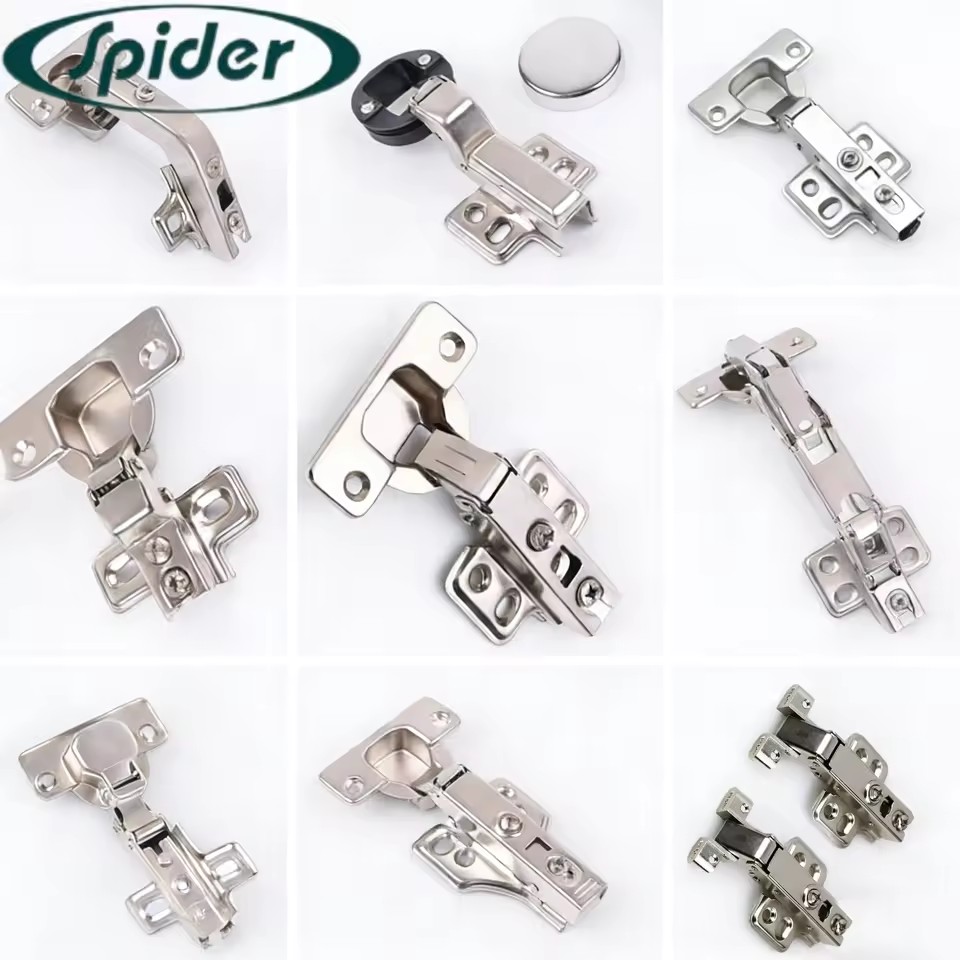
Hinge Configuration Cup Diameter & Boring Depth Kinematic Angle Overlay Geometry Duty Cycle Certification Optimal Cabinet Application
Standard Euro Hydraulic Clip-On Ø35mm | 11.5mm Depth 105° – 110° Full Overlay (0mm crank) / Half (9mm) / Inset (17mm) 80,000 – 100,000 Cycles (EN 15570 Level 3) Standard modular kitchen, vanity, and residential wardrobe doors.
Compact Face-Frame Short Arm Ø35mm | 10.5mm Depth 105° 1/4", 3/8", 1/2", 3/4", 1-1/4" Overlays 50,000 Cycles (ANSI/BHMA A156.9 Level 2) North American traditional face-frame solid wood cabinetry.
Narrow Aluminum Profile Hinge Custom stile milling / M4 clamp 95° – 105° Full / Half Overlay for 19–24mm aluminum profiles 60,000 Cycles (BIFMA X5.5) Architectural glass showcase cabinets, minimalist vitrines.
Wide-Angle Pie-Cut Corner Hinge Ø35mm | 12.0mm Depth 165° – 180° Zero Protrusion Full Overlay with interior pull-out clearance 80,000 Cycles (DIN 68857) Corner pantry units, interior roll-out drawer bank cabinets.
Heavy-Duty Thick Door Hinge Ø40mm | 13.0mm Depth 95° Full Overlay for doors up to 32mm thickness 100,000 Cycles (EN 15570 Level 3) Architectural commercial millwork, acoustic hotel room doors.
Global Market Intelligence

Future Procurement & Engineering Trends: 2025–2030 Horizon

Strategic hardware procurement is shifting rapidly beyond basic price-per-piece metrics. Leading international furniture groups and hardware importers are aligning their supply chains with four transformative architectural vectors.

1. Titanium Black & PVD Aesthetic Finishes

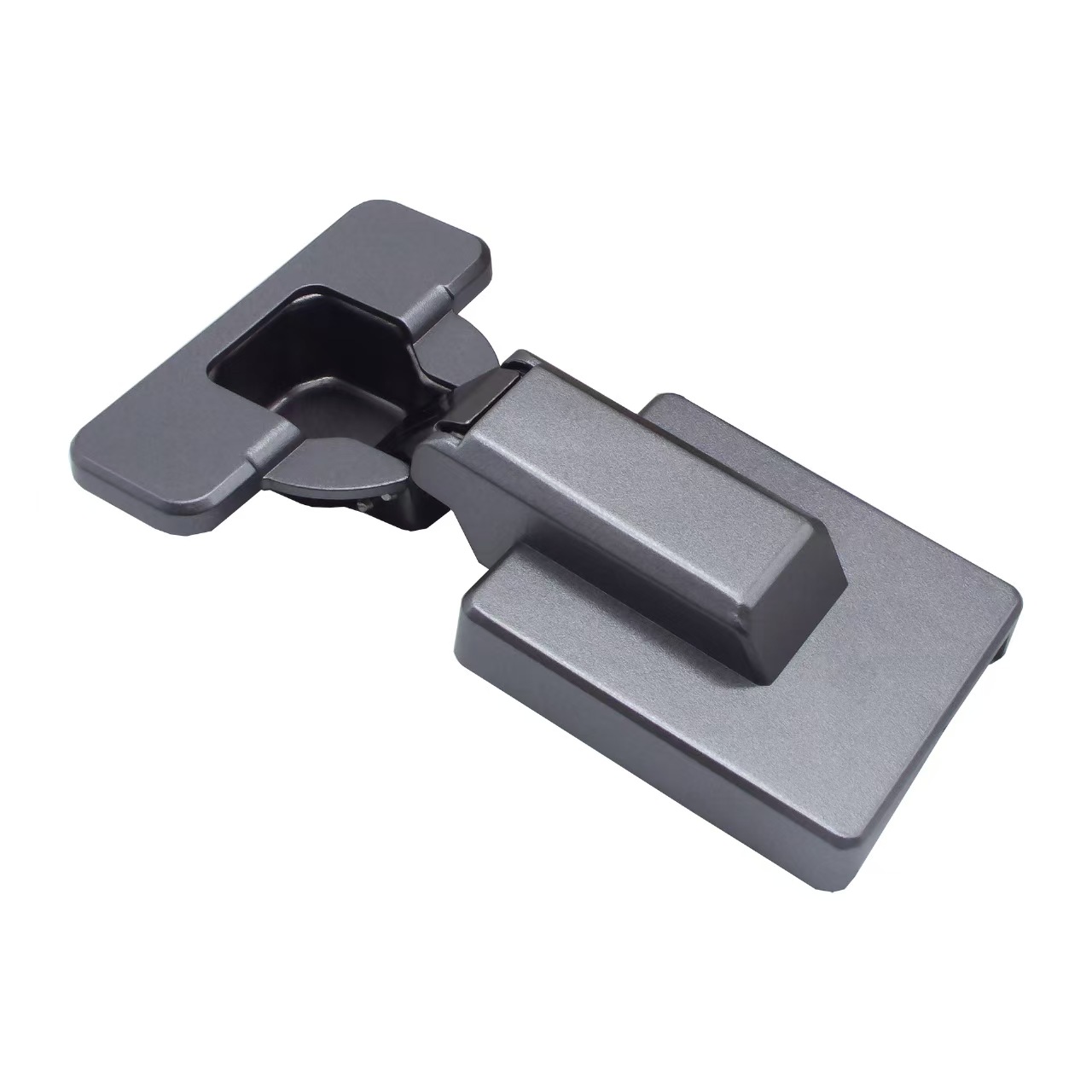
Traditional silver-nickel electroplating is facing strong stylistic competition in luxury residential projects. European and North American designers increasingly specify dark charcoal, matte basalt, and titanium black finishes to seamlessly match darker walnut, smoked oak, and graphite melamine interiors. Forward-thinking exporters are utilizing advanced electrophoretic deposition (ED) and physical vapor deposition (PVD) to deliver uniform matte black coatings that surpass 96 hours of salt-spray exposure without flaking or chipping.

Architectural Dark Finishes

2. Zero-Protrusion & Ultra-Thin Profiles

With inner pull-out drawers, wire pantries, and concealed lift baskets dominating high-efficiency kitchen layouts, hinges must offer zero door protrusion at a 90° opening angle. Standard hinges leave a 5–12mm door overhang inside the carcass frame, obstructing drawer pull-outs. The emerging procurement standard prioritizes dual-pivot zero-protrusion mechanisms, alongside ultra-thin mounting plates designed for slim stiles and 14mm minimalist aluminum doors.

Zero-Obstruction Ergonomics

3. Decoupled Two-Way Soft Closing

First-generation hydraulic hinges relied on a basic one-way spring action that resisted opening force and engaged damping prematurely at 60°. Modern premium cabinet hinges incorporate two-way free-stop mechanics: the door swings smoothly without spring resistance between 45° and 105°, and gently catches the soft-close hydraulic buffer only in the final 30° to 15° deceleration phase. This prevents fingertip pinch injuries, reduces hinge arm stress, and enables a feather-light tactile user experience.

Two-Way Damping Kinematics
Manufacturing & Export Excellence

Guangzhou Aviano Hardware: 15-Year Export Legacy

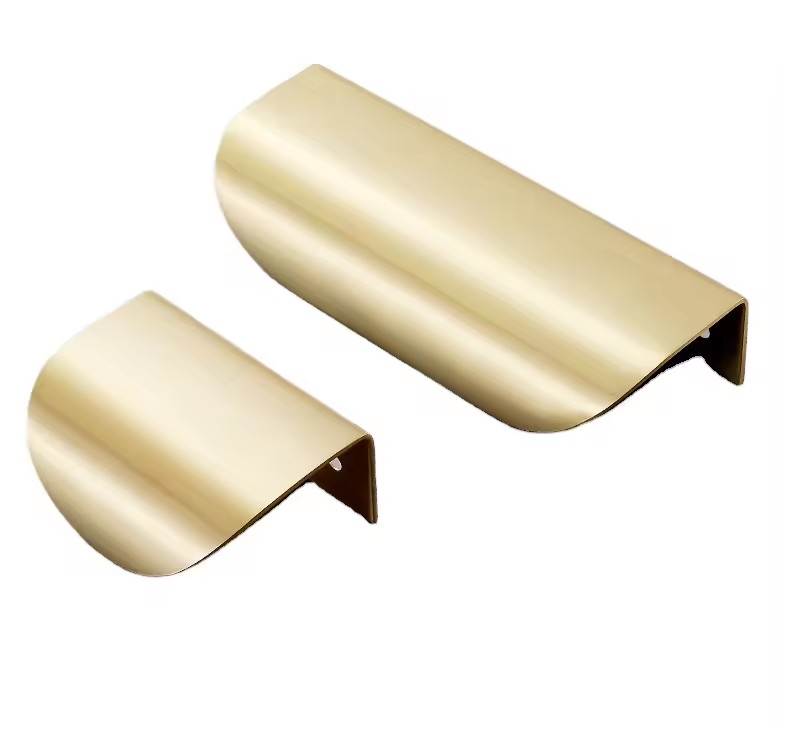
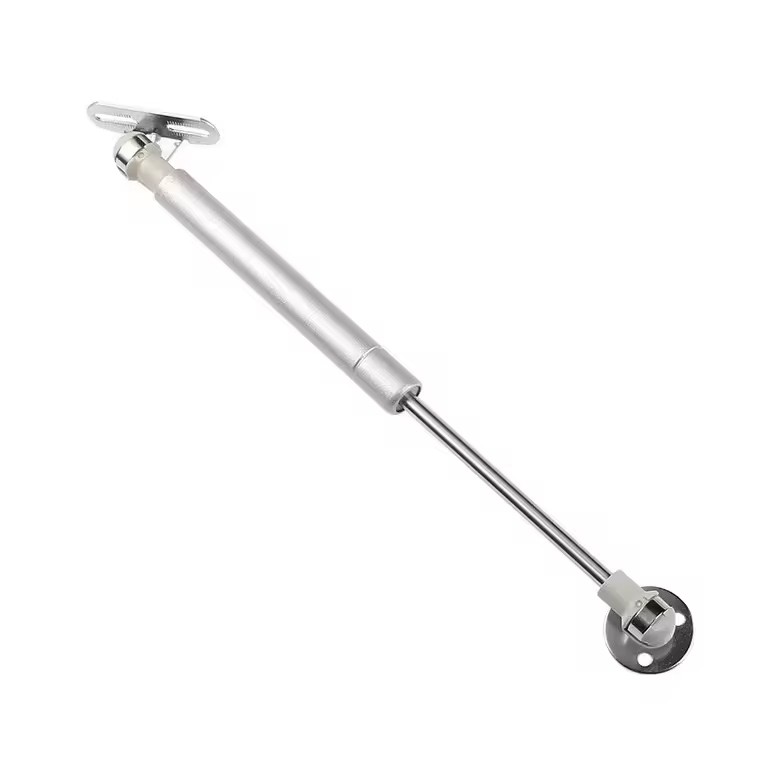
Operating from the epicentre of China's hardware industrial belt in Guangzhou, Guangdong, we supply precision-engineered hinges, drawer slides, cabinet handles, and gas struts to commercial millwork contractors, brand importers, and architectural distributors across 30+ nations.

15+ Years International Sourcing & Export
30+ Global Destinational Markets
99.26% Customer Inquiry Response Rate
≤ 2 Hours Average Quotation Turnaround

Dedicated OEM/ODM Tooling & Private Label

We provide full private-label customization including cold-stamped or laser-etched brand logos on hinge cover caps, arm bodies, and mounting plates. Bespoke polybag packaging, master carton branding, barcode labelling, and custom surface plating (nickel, electro-black, antique bronze, satin brass) are coordinated seamlessly under strict confidentiality agreements.

Custom Stamping & Branding

LCL Container Consolidation Logistics

Eliminate the inefficiency of managing multiple suppliers. Consolidate full container loads (FCL) combining soft-close concealed hinges, 45mm ball-bearing drawer slides, undermount concealed runners, aluminum handles, and gas springs directly from our centralized Guangzhou logistics warehouse. We handle FOB, CIF, or EXW documentation with speed and accuracy.

Mixed Container Consolidation

Standardized QA/QC Batch Verification

Every production batch undergoes strict quality gates: raw coil tensile strength testing, digital micrometer plating thickness evaluation, 48-to-96 hour Neutral Salt Spray (NSS) corrosion testing, and automated cyclic endurance verification. Third-party inspections (SGS, TÜV, Intertek, or client-nominated auditors) are integrated into standard shipping release procedures.

SGS & ISO Calibrated Testing
Procurement Knowledge Hub

Frequently Asked Questions for Importers and Wholesalers

Direct technical and commercial answers addressing common contractual, metallurgical, and logistical challenges encountered in high-volume furniture hardware sourcing.

What are the key technical differences between Slide-On and Clip-On concealed hinges?

Slide-on hinges require the hinge arm to be mechanically slid into the baseplate track and fixed via a retaining screw. While highly cost-effective for budget production runs, on-site disassembly is labor-intensive. Clip-on hinges feature a spring-loaded latching tongue that allows the cabinet door to be installed or decoupled from the mounting plate instantly without screwdrivers. Clip-on designs significantly lower installation labor costs for commercial kitchens and high-end residential cabinetry.

How do you prevent hydraulic damper failure and oil leakage across extended shipping cycles?

Hydraulic leakage typically results from low-grade O-ring elastomer degradation or unpolished piston rods puncturing the seal during transit vibration and temperature swings. Our factories utilize precision-ground carbon steel piston rods (surface roughness Ra ≤ 0.2μm) coupled with double-lip nitrile or fluorocarbon elastomeric seals. Every batch of dampers undergoes 100% pneumatic vacuum pressure testing prior to stamping integration, preventing leakage under ambient maritime cargo holds ranging from -20°C to +65°C.

What is the standard minimum order quantity (MOQ) for custom OEM logos and bespoke finishes?

For standard nickel-plated concealed hinges, our trial production MOQ starts at 1,000 to 5,000 pieces per specification. For custom tooling (such as private-label logo stamping on the hinge arm cover cap or mounting plate), the standard tooling threshold is typically 10,000 to 20,000 pieces. However, for initial trial orders, laser marking can be implemented at lower thresholds. Specialty finishes such as Titanium Matte Black or Antique Copper generally require a minimum surface plating bath volume of 5,000 pieces.

How is salt spray resistance tested, and what hours should international buyers specify?

Salt spray resistance is quantified via Neutral Salt Spray (NSS) testing per ISO 9227 or ASTM B117 standards. Standard indoor dry-area hardware generally meets 24 to 48 hours without red rust. For tropical environments, high-humidity coastal zones (e.g., Gulf Region, Southeast Asia, Caribbean), or kitchen sink base cabinets, buyers should strictly specify 72 to 96 hours NSS. For coastal or marine installations, we recommend our SUS304 stainless steel hydraulic series, which easily surpasses 120+ hours NSS.

Can Aviano Hardware consolidate multiple hardware categories in one container?

Yes. Container consolidation is one of our strongest strategic advantages. Importers and wholesalers can mix concealed hinges, undermount and ball-bearing drawer slides, aluminum and zinc alloy handles, gas spring struts, and cabinet leveling legs into a single 20ft or 40ft HQ container. We consolidate, inspect, palletize, and generate unified export documentation (Bill of Lading, Commercial Invoice, Packing List, Certificate of Origin) directly from our Guangzhou facility.

What international testing standards do your hinges comply with (EN 15570 vs. ANSI/BHMA)?

Our European-style concealed hinges are built to comply with EN 15570 Level 3 requirements, successfully enduring 80,000 to 100,000 opening/closing cycles under designated door weight loads (up to 20kg per pair) with minimal deflection. For North American export clients, our face-frame short arm hinges are calibrated to ANSI/BHMA A156.9 Level 1 and Level 2 performance criteria, verifying lateral and vertical overload resilience and resistance to extreme door pull forces.

Direct Factory Sourcing

Optimize Your Furniture Hardware Supply Chain Today

Whether you require full container load pricing, customized OEM logo stamping, bespoke technical drawings, or physical production samples sent via air freight, our multilingual engineering team is standing by to assist.

Inquire Now Average response time ≤ 2 hours on business days