Face Frame Solutions
Precision-tested cold-rolled steel and aluminum solutions calibrated for international contract manufacturers, multi-family construction, and kitchen cabinetry distributors.
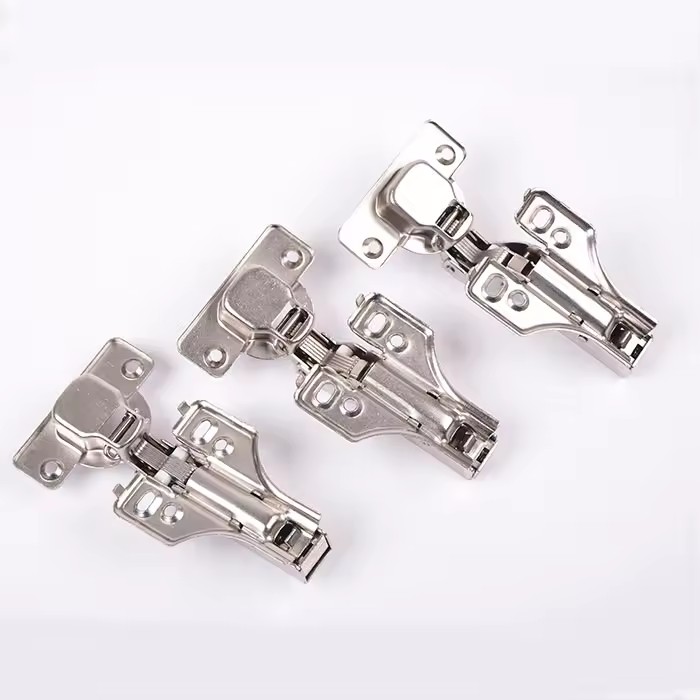
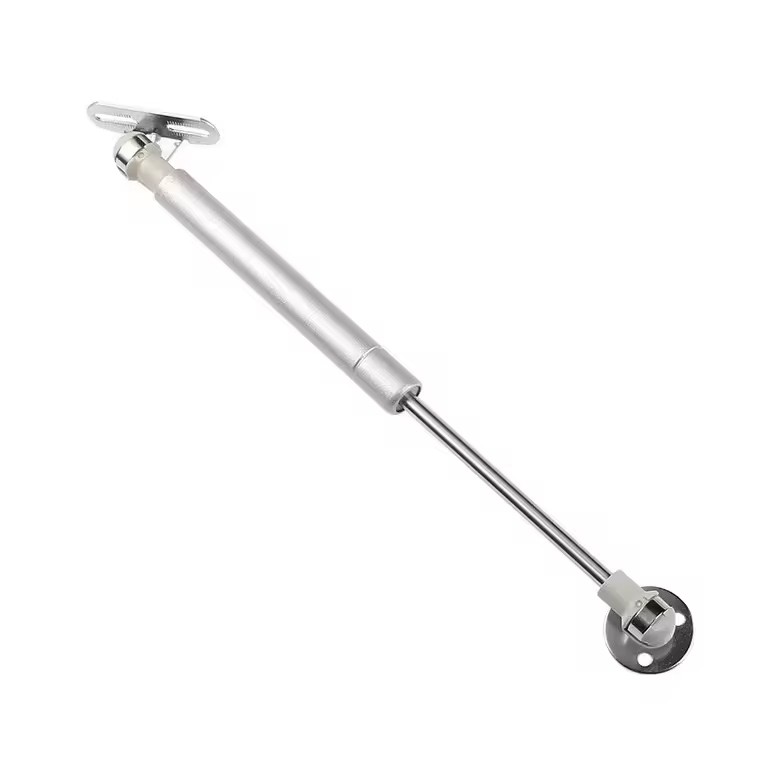
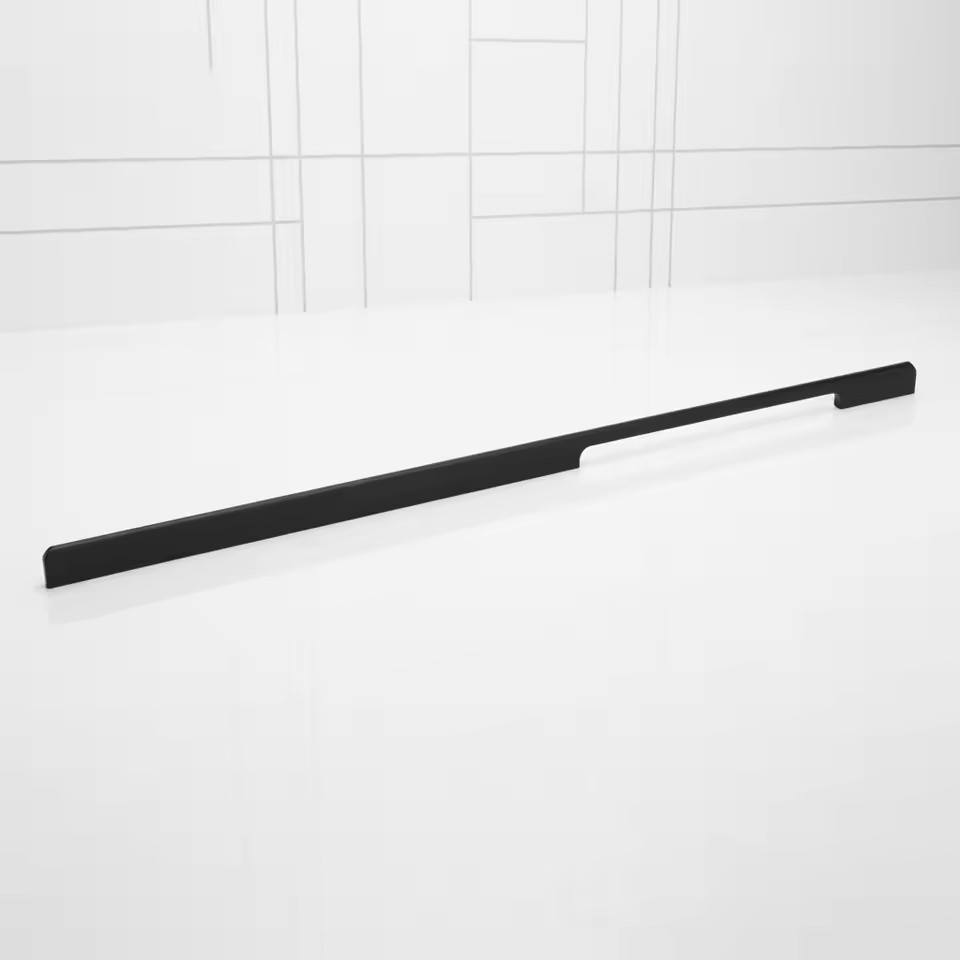
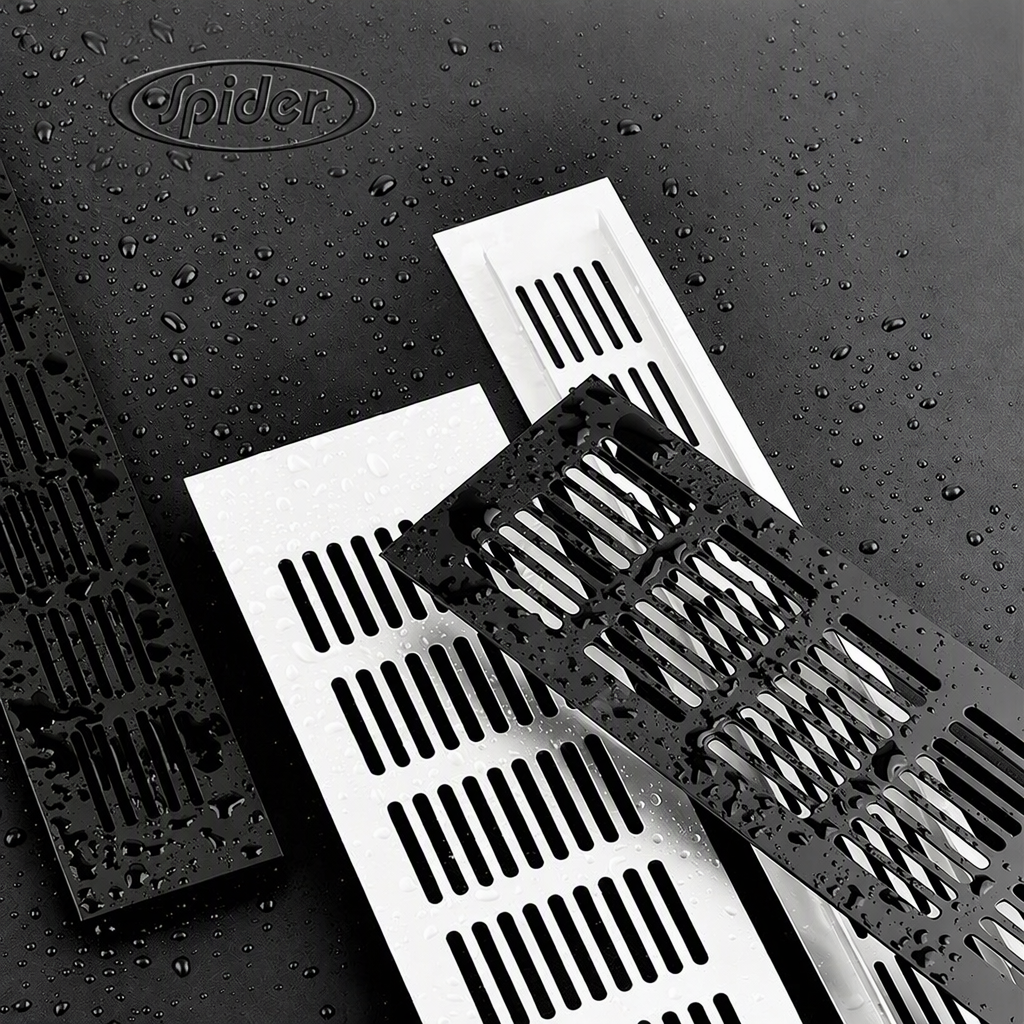
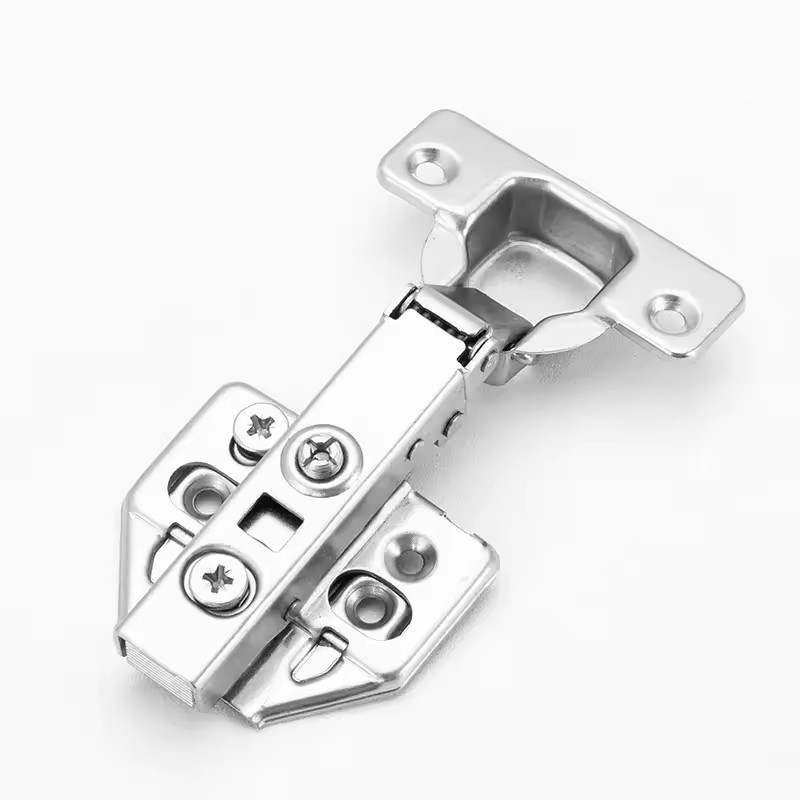
In architectural millwork and commercial kitchen fabrication, corner storage arrangements represent both the greatest spatial efficiency opportunity and the highest risk profile for kinetic hardware failure. Blind corner configurations, 45-degree angle transitions, lazy susans, and bi-fold pie-cut assemblies subject mechanical linkages to multidirectional torsion that standard 110-degree hinges cannot support. Sourcing from a premier corner cabinet hinge supplier & exporter requires evaluating structural alloy specifications, hydraulic damper integration, and spatial clearance tolerances under heavy continuous loading.
Modern residential and commercial environments demand fluid integration between door panels and carcass framing. When doors open across a 135-degree, 165-degree, or bi-fold corner axis, clearance must allow full access to interior pull-out carousels without striking adjoining door faces or hardware pulls. Achieving this performance depends entirely on stamping thickness, hinge cup depth precision, and the micro-damping tolerances engineered into the hydraulic cylinder assembly.
Global supply chains face substantial structural evolution driven by automation, material circularity, and evolving consumer aesthetics. Professional importers and commercial architectural specifiers must align procurement schedules around four dominant market trajectories:
Emergence of integrated cam-driven 3D and 4D adjustment mechanisms, allowing post-installation calibration of lateral, vertical, and planar depth without loosening mounting plate anchors.
Transition from standard bright nickel plating to multi-layer protective systems such as titanium carbonitride, basalt grey electrophoresis, and matte black PVD to withstand extreme ambient humidity.
Verification of recycled cold-rolled steel substrates (Q195/Q235), lead-free brass dampening pistons, and REACH/RoHS compliance to meet rigorous green building certifications.
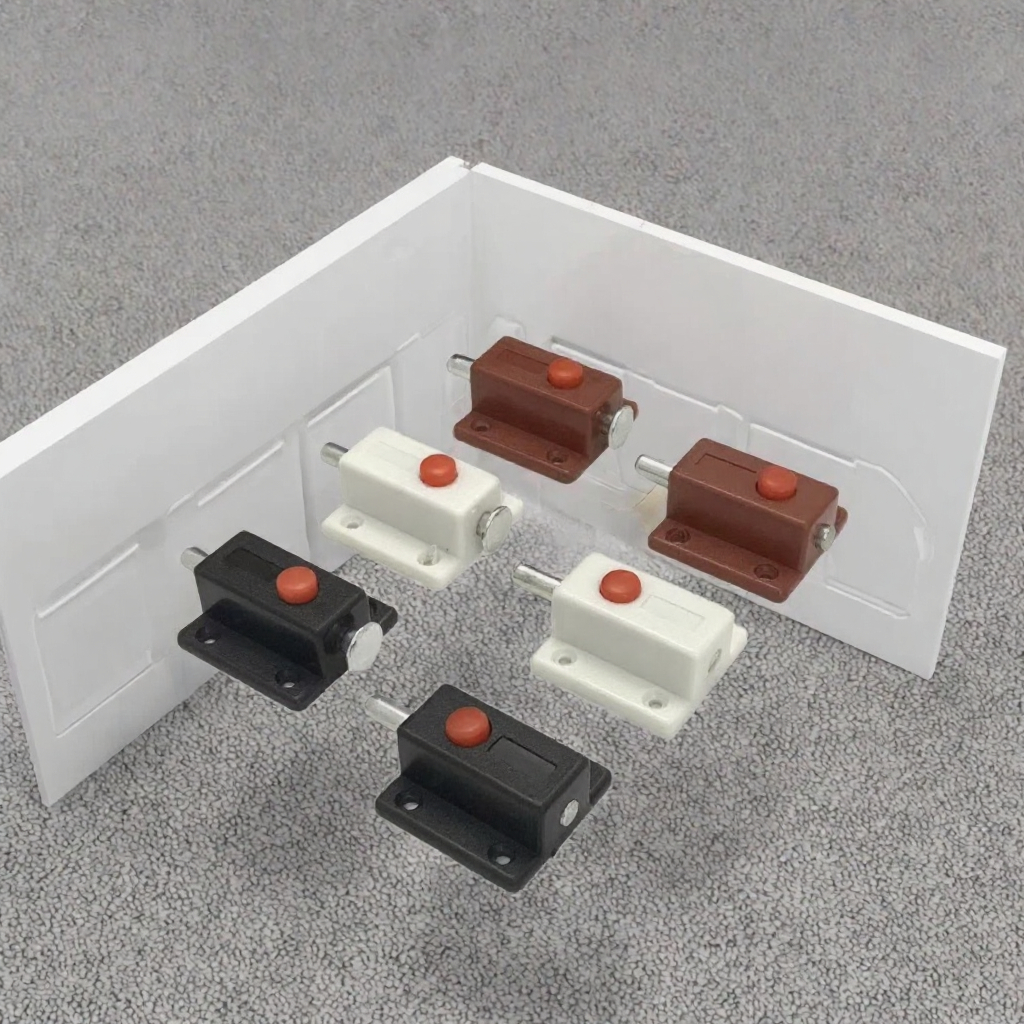
Furthermore, the convergence of handle-free cabinetry with integrated push-to-open kinetics and silent damping introduces dual-action kinetic corner hinges. These assemblies incorporate high-torque internal reverse springs that release cleanly on mechanical push latches, then transition into cushioned deceleration upon closure.
Selecting the correct mechanical configuration prevents binding, door collisions, and field maintenance callbacks. The matrix below outlines operational parameters across core industrial corner hinge systems:
| Kinematic System | Articulation Angle | Typical Stamping Gauge | Standard Cup Bore | Ideal Architectural Application |
|---|---|---|---|---|
| Wide-Angle Zero-Protrusion | 155° – 175° | 1.2mm – 1.5mm Cold-Rolled | 35mm (Depth: 11.5mm) | Internal pull-out larder units, wire drawers, blind corner frames |
| Pie-Cut Bi-Fold Corner | 60° – 135° Relative | 1.2mm Formed Steel | 35mm Dual-Cup / Surface Plate | L-shaped corner cabinets connecting two folding door leaves |
| Positive/Negative Angle Pivot | +45° / -45° Diagonal | 1.0mm – 1.2mm Hardened Steel | 35mm Standard Cup | Pentagonal corner face units, angled retail showcase fixtures |
| Short-Arm Face Frame Hinge | 105° – 110° Overlay | 1.5mm Heavy Duty Stamped | 35mm Cup (Compact Wrap) | North American face frame kitchen and bathroom casework |
Industrial export excellence requires rigorous laboratory validation rather than superficial visual inspection. Reliable hardware suppliers test performance through three primary mechanical protocols:
1. Accelerated Neutral Salt Spray (NSS) Testing: Industrial-grade electroplated nickel finishes must endure a minimum of 48 to 96 hours under continuous 5% NaCl neutral salt spray testing (ASTM B117 / ISO 9227) without showing red rust corrosion, ensuring durability in humid maritime and tropical climates.
2. Dynamic Cycle Fatigue Validation: Automated pneumatic test rigs cycle corner hinges under simulated door weights (15kg to 25kg) through 50,000 to 80,000 continuous opening and closing strokes. Testing validates mechanical arm deflection under 0.8mm and confirms that damping closure speed stays within 3 to 7 seconds without fluid leakage.
3. Tensile and Over-Torque Resistance: Steel mounting clips, zinc alloy arm pivots, and 3D eccentric adjustment screws undergo tensile pull tests to confirm mounting integrity against sudden door wrenching or accidental overloading during site installation.
Direct manufacturing execution, supply consolidation, and engineering support from Guangdong's industrial heartland.
Specialized export infrastructure serving distributors, developers, and cabinet makers across 30+ countries with deep supply chain integration.
Custom laser-etched hinge arms, branded plastic cover caps, specialized damping curve profiling, and private-label retail packaging kits.
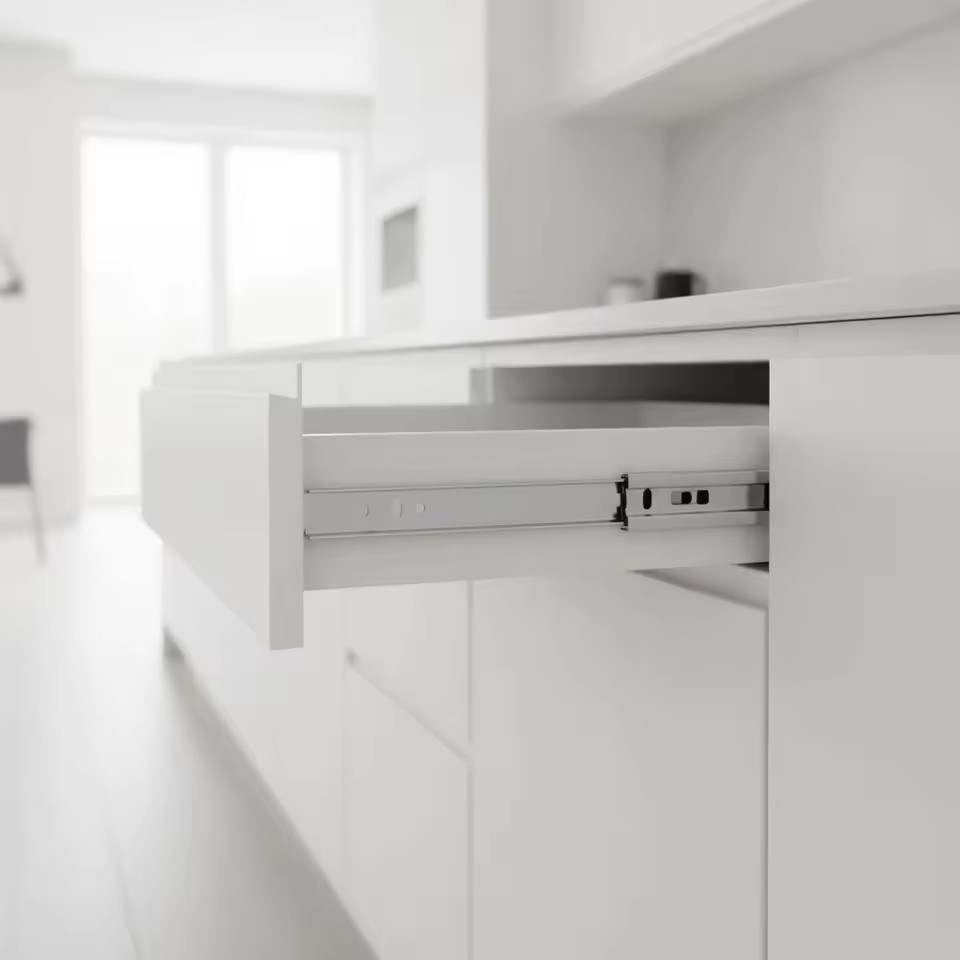
Combine corner hinges, standard 3D concealed hinges, undermount slides, designer pulls, and air louvers within one consolidated FOB/CIF shipment.
Direct communication with dedicated engineering representatives providing detailed technical drawings, CAD files, and sample confirmations within 2 business hours.
Direct technical answers addressing the most common procurement, specification, and logistics questions from international buyers.