Core Precision Architectural & Cabinet Systems
Explore eight core motion-control configurations, dampening modules, and structural hanging components engineered for heavy-duty operational lifecycles.
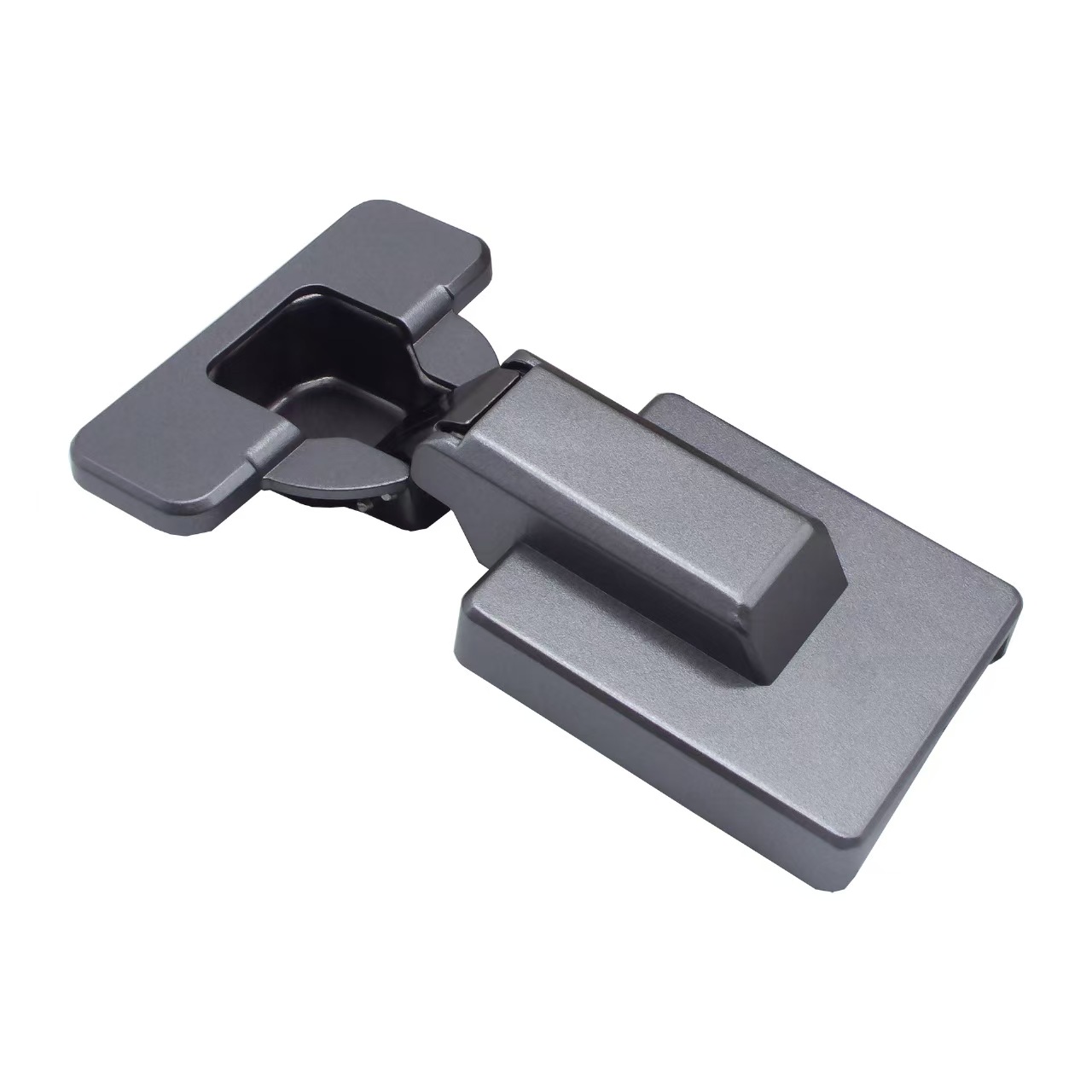
Ultra-Thin Soft Close Hinge 4D Adjustable Damping for Kitchen Cabinet Door & Wardrobe
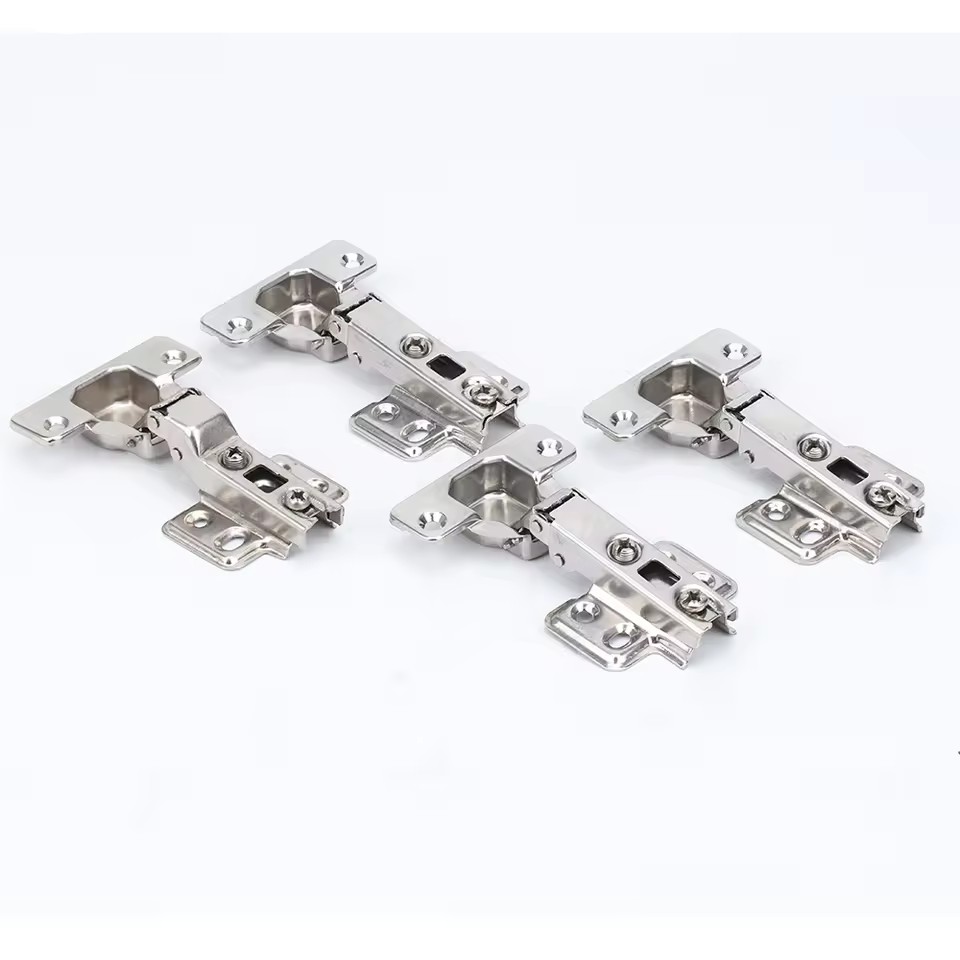
Home Hardware Furniture Accessories 35mm Cup Clip On One Way Stainless Steel Soft Closing Hinge Bedroom Cabinet Kit
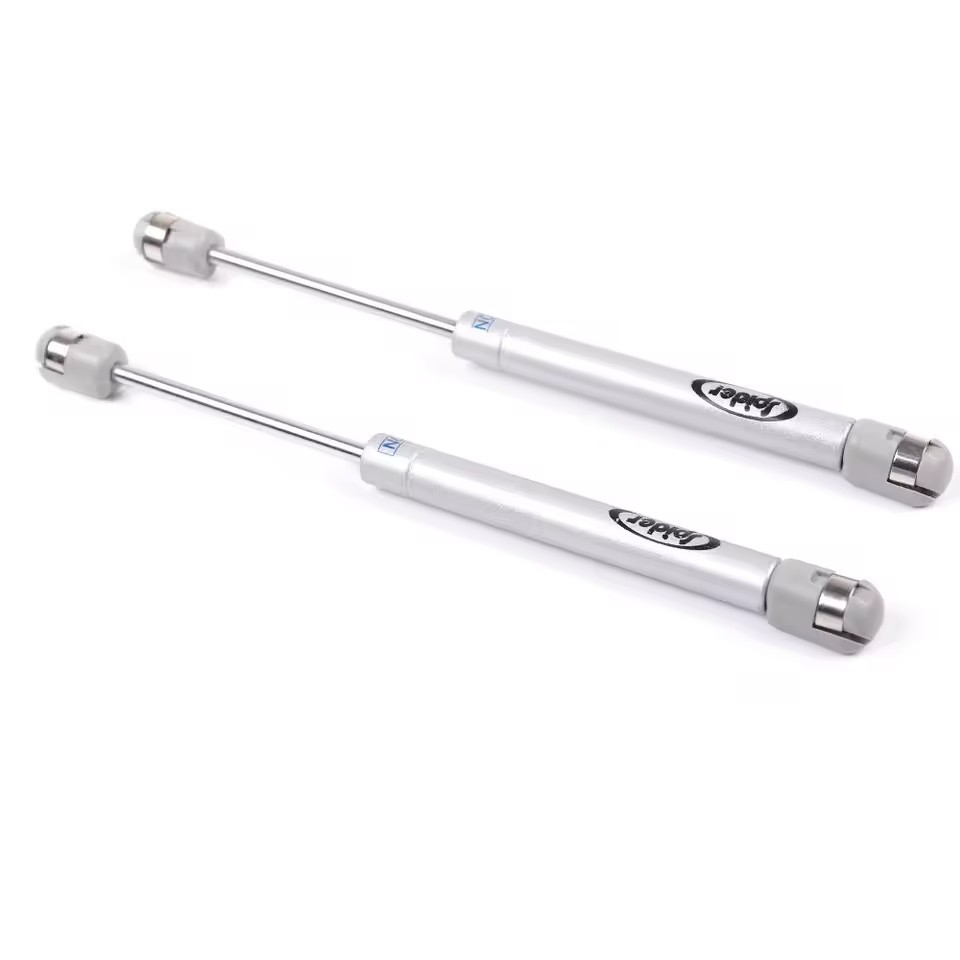
For 50N 80N 100N 150N Metal Modern Furniture Hardware Kitchen Cabinet Door Gas Spring Strut Hydraulic Lift Support Kit
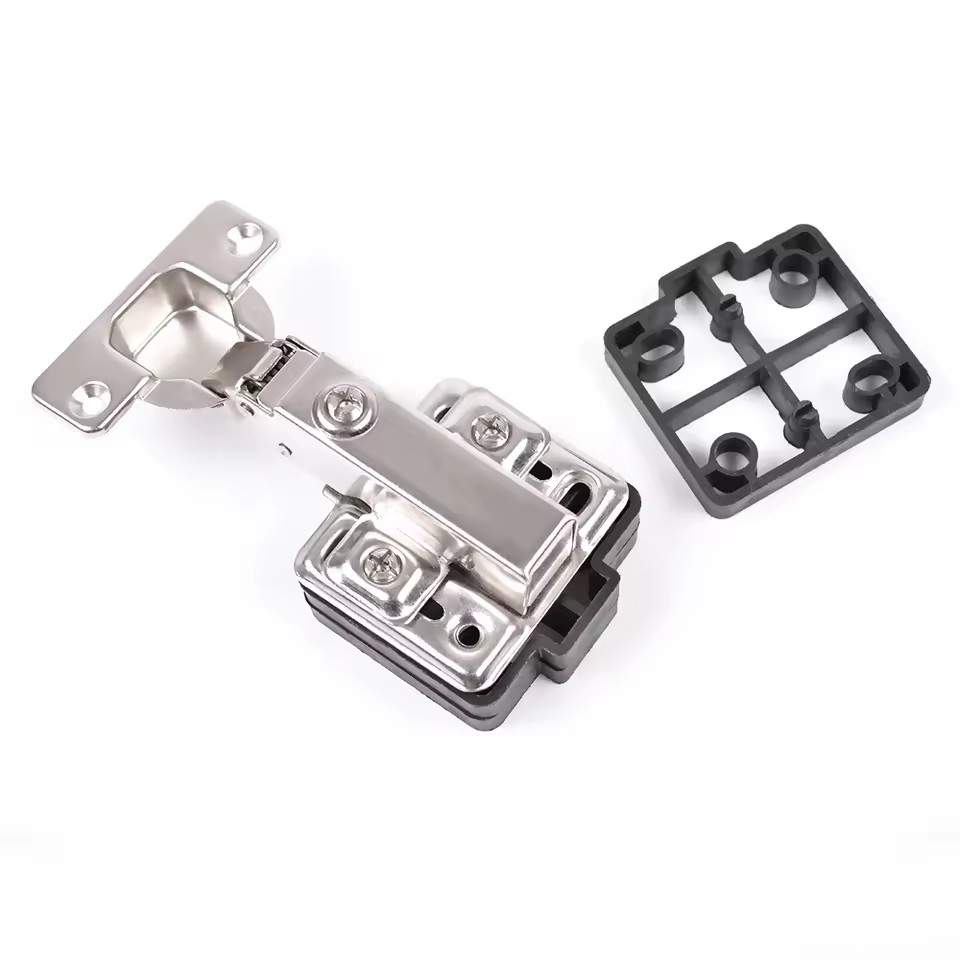
3D Aluminum Frame Hinges Iron Furniture Hardware Eco Friendly Durable Hydraulic Hinge Machine for Home Office Bathroom
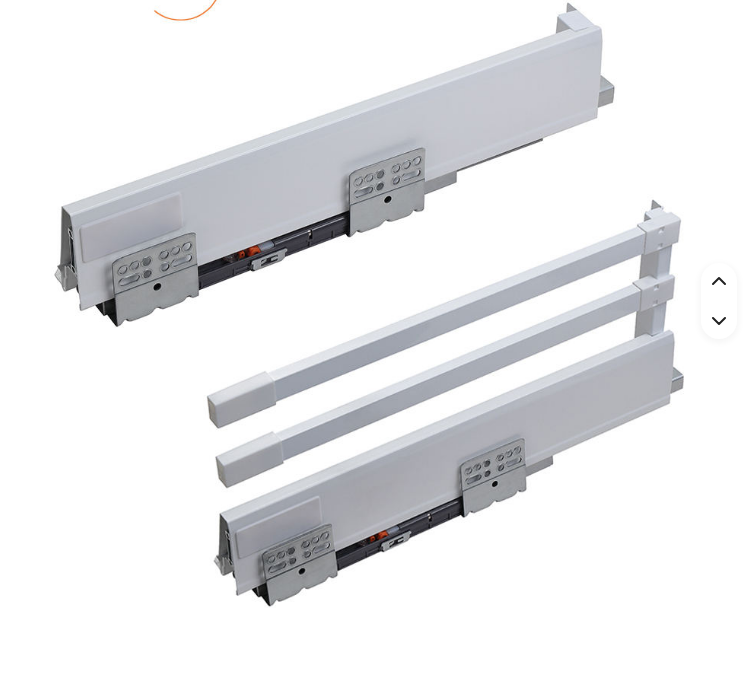
51mm Full Extension Ball Bearing Drawer Slide Factory's Competitive Damping 3-Fold Push Open Kitchen Outdoor Gym Bedroom
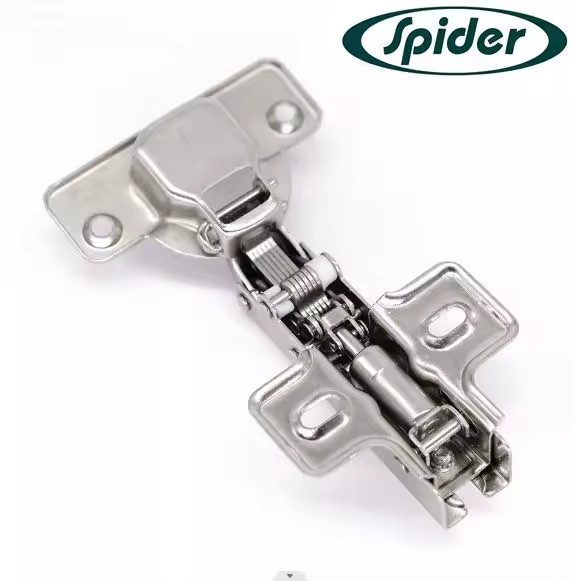
Hot Sale Modern Soft Closing Cabinet Glass Door Hinge Hydraulic Furniture Hinge for Kitchen Cabinet Easy Installation
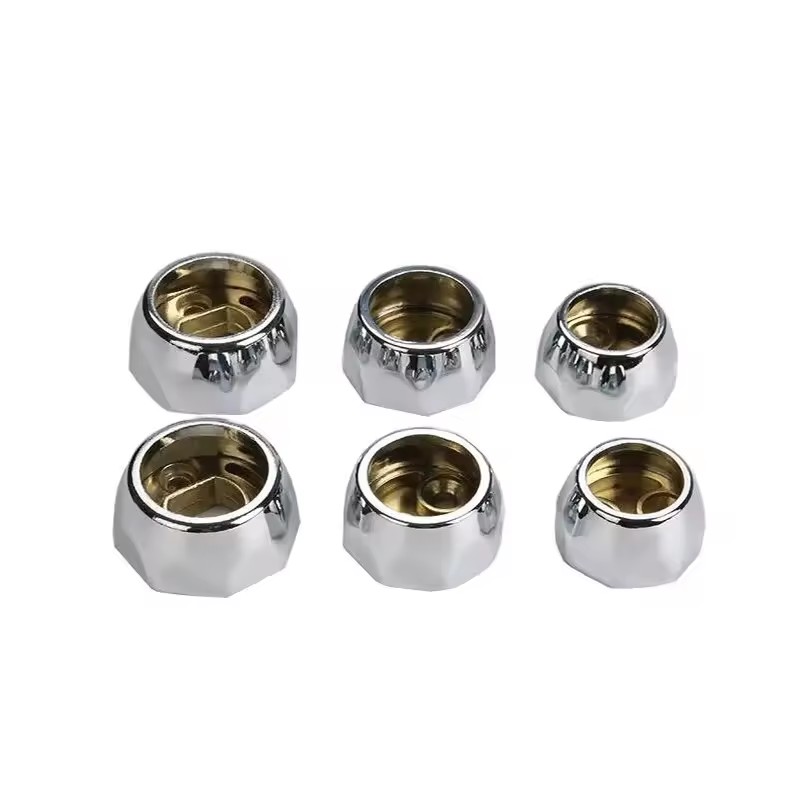
Wardrobe Flange Bracket Wood Closet Support Stainless Steel U Shaped Rod Oval Bathroom Modern Holder Hardware Pack
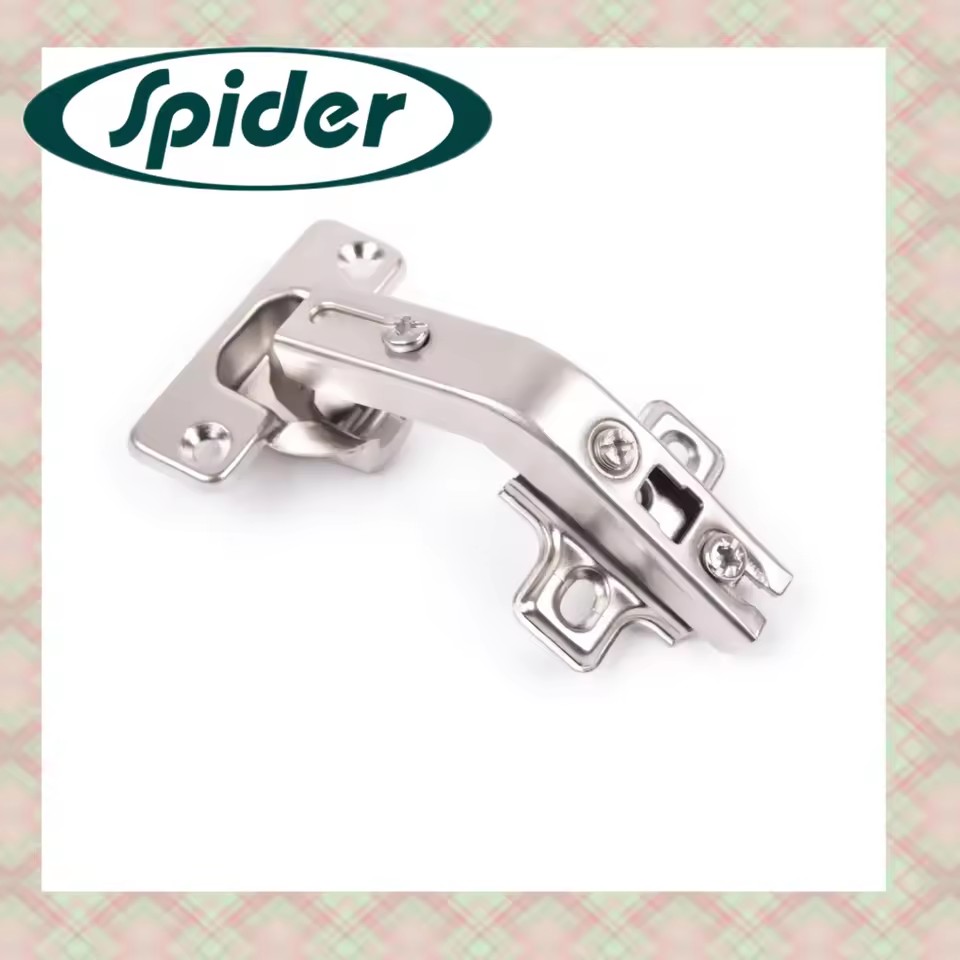
Hydraulic Hinge Mute Buffer Damper Soft Close Concealed Kitchen Cabinet Door 90 Degree H Furniture Fittings Hinges Pack
Engineering Whitepaper: Structural Metrics of Top Hanging Door Hardware
In high-density residential developments, hospitality builds, and institutional architectural layouts, hanging door hardware systems form the critical mechanical junction between structural partitions and spatial flow. Unlike floor-supported assemblies that distribute payload directly onto foundation slabs, top-hung sliding, folding, and concealed hanging systems concentrate massive static and dynamic stresses across the upper lintel, track profiles, and hanging trollies. As architectural trends pivot toward oversized floor-to-ceiling glass partitions, monolithic acoustic panels, and minimalist frameless cabinetry, hardware failure is no longer tolerated.
Specifying top trusted hanging door hardware manufacturers and suppliers requires navigating mechanical tolerances, material metallurgy, surface passivation, and dampening thermodynamics. Low-tier hardware typically suffers catastrophic breakdown at the roller bearing interface: microscopic surface pitting caused by cold flow in inferior nylon wheels, uneven weight distribution along the cantilevered hanger bracket, and hydraulic damper cavitation under thermal swings. Guangzhou Aviano Hardware Co., Ltd. analyzes these stress points at an empirical level, manufacturing engineered hardware that eliminates maintenance downtime and elevates movement fluidity.
Kinematic Roller Bearing Configurations & Dynamic Load Distribution
The operational lifespan of any hanging door hardware rests upon its rolling carriage mechanics. Industrial-grade hanging door suppliers utilize high-precision ball bearings sealed inside self-lubricating polyoxymethylene (POM) or high-grade stainless steel outer sleeves. The POM polymer compound delivers maximum vibration attenuation, mitigating the hollow acoustic vibration commonly transmitted into hollow metal ceiling beams or drywall headers. Simultaneously, CNC-machined precision races within the bearing prevent radial play and axial runout, keeping rolling friction coefficients below 0.002.
In architectural doors exceeding 100 kg, four-wheel and eight-wheel articulated trolley carriages are structurally imperative. The articulation knuckle dynamically self-levels, ensuring all wheels maintain contiguous tangential contact with the extruded aluminum or cold-drawn steel top track, even when the header deflects under dead-weight dead-loads. Without a dynamic self-leveling carriage, two wheels end up bearing the entire gravitational payload, exceeding the yield strength of the track material and initiating premature surface galling.
Hydraulic Dampening Deceleration & Two-Way Air-Spring Mechanics
Modern commercial specifications mandate bi-directional soft-closing systems for hanging sliding mechanisms. The physical challenge involves absorbing significant linear momentum ($E_k = \frac{1}{2}mv^2$) within an extremely short deceleration stroke (typically 50 mm to 110 mm) without causing bounce-back or excessive push-in resistance. Top-tier manufacturers integrate multi-stage hydraulic fluid dampers filled with high-viscosity, silicone-based fluids that display negligible thermal viscosity deviation between -15°C and 55°C. Combined with a progressive rate air-spring assist, the hanging door catches smoothly, slows down under constant linear deceleration, and docks silently against the closing jamb.
Future Sourcing Trends in Hanging Door & Motion Hardware
Analysis of regulatory shifts, material technologies, and architectural trends reshaping the furniture and architectural hardware supply chain through 2026–2030.
Total Invisible Concealment
Architects are driving demand for fully concealed pocket door systems and recessed ceiling tracks. Fasteners, suspension brackets, and soft-close mechanisms must disappear entirely into 80mm aluminum cassette walls, requiring modular adjustment screws accessible purely through the door clearance gap.
Advanced Anti-Corrosive PVD & E-Coating
Salt spray performance requirements are tightening. Procurement tenders in coastal zones (Middle East, Southeast Asia, Caribbean) increasingly specify a minimum of 96-hour neutral salt spray (NSS) test thresholds, shifting supply lines toward multi-layer electrophoretic deposition and PVD micro-coatings.
Synchronized Telescopic Sourcing
Commercial space flexibility demands synchronized telescopic and simultaneous multi-panel bypass configurations. Rather than ordering standalone kits, procurement teams are selecting single-source OEM suppliers who guarantee tension cables, intermediate idler pulleys, and bottom guides are pre-engineered to match.
Long-Term Industry Trends: The Convergence of Smart Movement & Sustainability
The manufacturing landscape for hanging door hardware is transitioning away from fragmented commodity hardware toward holistic structural motion systems. As urban spaces compact and micro-living layouts gain adoption in tier-one metropolitan hubs, hanging sliding doors serve double duty as movable acoustic partitions. This architectural shift demands three major technical evolutions:
First, the development of ultra-low friction magnetically assisted tracks. By leveraging rare-earth permanent neodymium arrays within top extrusion tracks, dynamic weight is partially offset through magnetic levitation, reducing mechanical friction on load bearings to near-zero. This ensures that 200 kg acoustic doors can be glided manually with less than 8 Newtons of breakaway opening force, meeting universal barrier-free accessibility codes (ADA compliance) without requiring cumbersome electrical motors.
Second, strict Life Cycle Assessment (LCA) compliance and circular design. Global buyers, particularly across Europe and North America, mandate extended lifecycle certification (ANSI/BHMA Grade 1, requiring 100,000 to 250,000 smooth operating cycles under full load). In tandem, manufacturing facilities must transition away from toxic hexavalent chromium electroplating to eco-friendly zinc-nickel alloys and trivalent passivation coats, paired with 100% recyclable cold-rolled stamping steel scrap consolidation.
Finally, standard hardware sourcing is shifting to digital configuration and prefabricated modularity. Large millwork factories and modular building contractors bypass generic catalog listings in favor of suppliers capable of delivering completely bespoke CNC pre-drilled track kits, private-label hardware sets, and pre-assembled damper blocks tailored to exact shop drawings.
Why Partner With Aviano Hardware Co., Ltd.
Engineered manufacturing excellence backed by Guangdong's deep industrial cluster and direct OEM/ODM supply chain integration.
Guangdong Hardware Cluster Synergy
Located in the heart of Guangzhou, Aviano works directly with dedicated stamping, cold-rolling, hydraulic cylinder assembly, and die-casting lines. This localized network eliminates intermediary markups and delivers high pricing competitiveness for container orders.
Rigorous In-House Quality Assurance
Every production batch is tested against master technical samples. We verify dimensional precision, damping deceleration resistance, open/close cycle stability, and electroplate adhesion with third-party testing reports available (such as SGS compliance verification).
Container Consolidation & Flexible MOQ
Maximize shipping efficiency: mix full containers with concealed cabinet hinges, ball bearing drawer slides, gas struts, handles, and hanging door tracks. We support OEM laser-etched branding, custom box printing, and FOB/CIF/EXW delivery terms.
Frequently Asked Questions: Hardware Procurement
Clear engineering and commercial answers to streamline your quotation, sample testing, and container booking process.
How do you determine the correct hanging track and trolley specification for custom door dimensions?
What is the standard minimum order quantity (MOQ) for custom OEM finishes and laser branding?
What salt spray testing standards do Aviano hardware components meet?
How do you guarantee batch-to-batch consistency across high-volume container shipments?
What payment and shipping terms are accepted for international project buyers?
Direct Engineering Consultation & OEM Inquiries
Submit your hardware schedules, structural door specifications, or container consolidation requirements. Our Guangzhou engineering team reviews drawings and delivers quotes within 2 business hours.