Top Trusted Hydraulic Lift Support Manufacturers & Global OEM Supplier
Engineering industrial-grade gas springs, cabinet lift dampers, soft-closing stays, and heavy-duty architectural mechanisms tested across 50,000+ continuous motion cycles.
Explore factory-direct furniture mechanics engineered for seamless kinematic lifting, silent compression, and resilient structural longevity across global residential and commercial fit-outs.
Lift Mechanism
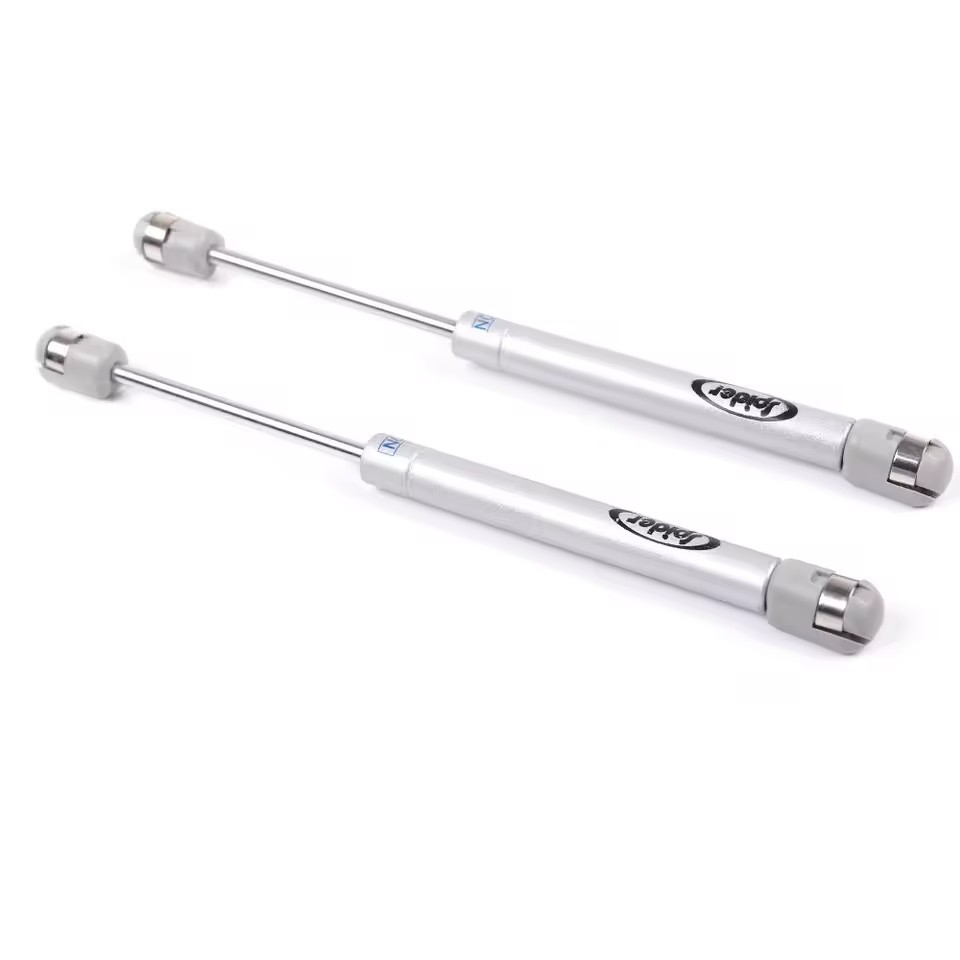
50N-150N Metal Kitchen Cabinet Gas Spring Hydraulic Strut Kit
Supplying over 30 countries with industrial stability, rigorous metallurgical validation, and end-to-end container consolidation from Guangzhou, Guangdong.
15+
Years Engineering Export Experience
Serving OEMs, tier-1 architectural millwork brands, and wholesale importers since 2011.
50k+
Fatigue Cycle Compliance
Tested under German DIN EN 15570 Level 3 performance standards for dynamic lifting.
≤ 2h
Direct Technical Response SLA
Over 99.2% prompt RFQ feedback with technical drawing confirmations on business days.
96h+
Neutral Salt Spray Resistance
QPQ surface treatment and thick multi-layer chrome electroplating to conquer high humidity.
Technical Whitepaper Insight
Hydraulic Lift Support Engineering: Physics, Sealing & Anatomy
Modern hydraulic lift supports and gas spring stays are sealed, pressurized hydro-pneumatic mechanisms engineered to offset gravitational load and execute silent kinetic decelerations.
Hydro-Pneumatic Damping Mechanics
Unlike mechanical spring hinges that offer linear elastic pushback, a hydraulic gas spring combines compressed inert nitrogen gas (N2) with a calibrated fluid reservoir containing synthetic hydraulic oil. As the chrome-plated piston rod retracts or extends, the internal orifice regulates fluid transfer, providing an exponential resistance curve that completely eliminates door slamming and cabinet vibration.
Fluid Orifice Metering • Zero Rebound Shock
Multi-Lip Micro-Sealing Technology
The core failure point of cheap hydraulic stays is pressure decompression caused by micro-tears in vulcanized rubber seals. Premier manufacturers employ polyurethane and DuPont Viton multi-lip sealing rings combined with high-grade carbon steel pressure cylinders. Precision seamless rolling guarantees internal roundness tolerances within ±0.01mm, locking internal pressure at 120-180 bar over 5+ years of daily activation.
Viton / HNBR Seal Rings • High Pressure Retentive
QPQ Nitriding & Micro-Crack Chroming
The piston rod is subjected to Quench-Polish-Quench (QPQ) liquid salt bath nitriding or micro-crack hard chrome plating (≥25μm). This process generates an exceptionally slick, non-stick surface with a surface hardness exceeding HV900. It resists friction galling, shrugs off ambient chemical exposure in coastal kitchens, and withstands over 96 hours of ASTM B117 salt spray testing without rust pitting.
Surface Hardness >HV900 • ASTM B117 Compliant
Engineering Calculations
Comprehensive Specifier Guide: Torque, Newton Rating & Sizing
Specifying hydraulic lift supports without exact kinetic calculations results in door sagging, violent spring opening, or bracket detachment. Apply the standardized dynamic torque formulation below for flawless millwork specification.
Force Rating (N)
Door Weight Range (kg)
Door Height Range (mm)
Optimal Carcass Application
Piston Stroke (mm)
Damping Travel
50N (5.1 kgf)
1.0 – 1.8 kg
300 – 400 mm
Lightweight overhead flaps, RV cabinets, medicine cupboards
70 – 90 mm
Terminal 15° Soft Damping
80N (8.2 kgf)
1.8 – 3.0 kg
350 – 500 mm
Standard residential upper kitchen doors (MDF / Acrylic)
Heavy commercial pantry flaps, tool chests, industrial housings
110 – 130 mm
Heavy-Load Damped Buffer
Formula for Mechanical Specification:
Required Lift Force (F in Newtons) = [Door Mass (kg) × 9.81 × (Door Height (m) / 2) × Safety Factor (1.2)] / [Effective Lever Distance to Pivot (m) × Number of Stays (1 or 2)]. Always specify matched dual struts for doors wider than 600mm to eliminate asymmetric hinge torque and hinge cup tearing.
Procurement Intelligence
Global Sourcing & Procurement Trends (2025–2030)
Industry dynamics are rapidly transforming how procurement directors, tier-1 developers, and distributor networks order furniture kinetic hardware. Analyze the core procurement trends shaping the market.
1. Modular SKU Unification & Multi-Force Brackets
Importers and distributors are phasing out rigid single-purpose struts to minimize dead inventory. Modern purchasing contracts demand modular strut bodies equipped with adjustable-pin clevis ends, 3-position mounting brackets, and broad Newton-step coverage. This allows one single strut SKU to accommodate face-frame, frameless, and thin aluminum profiles simply by changing out clip-on mounting plates.
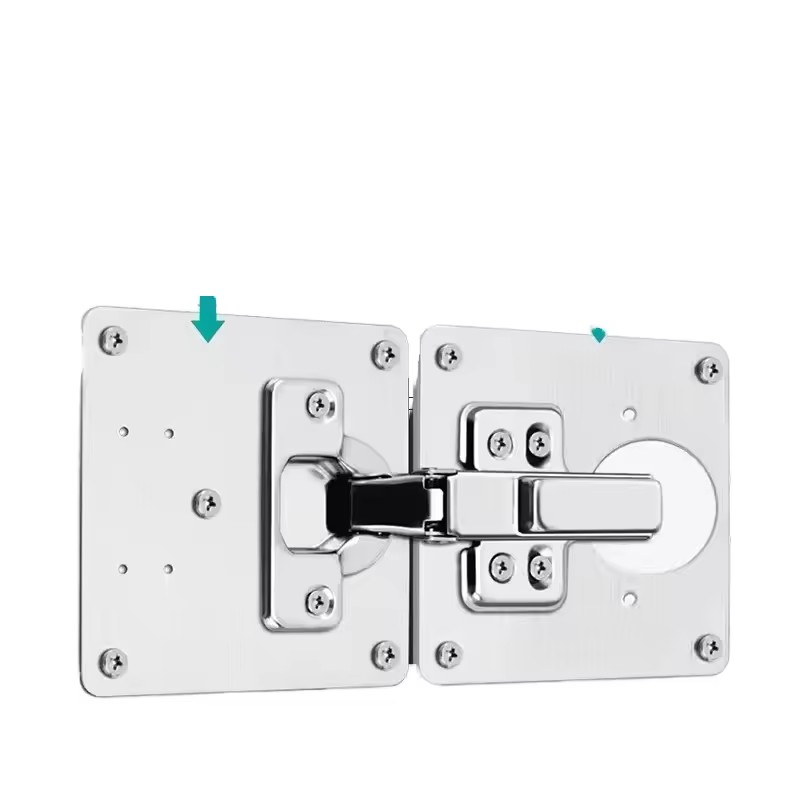
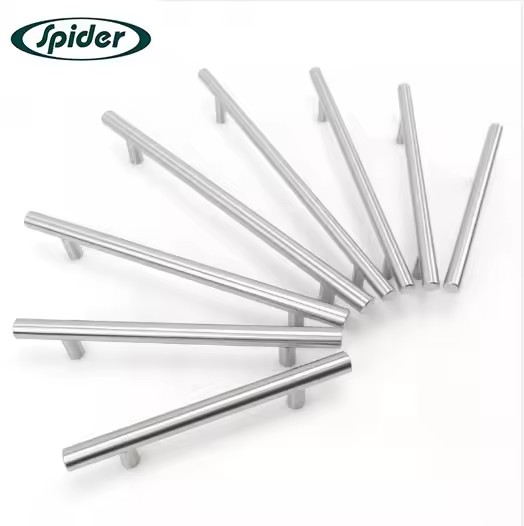
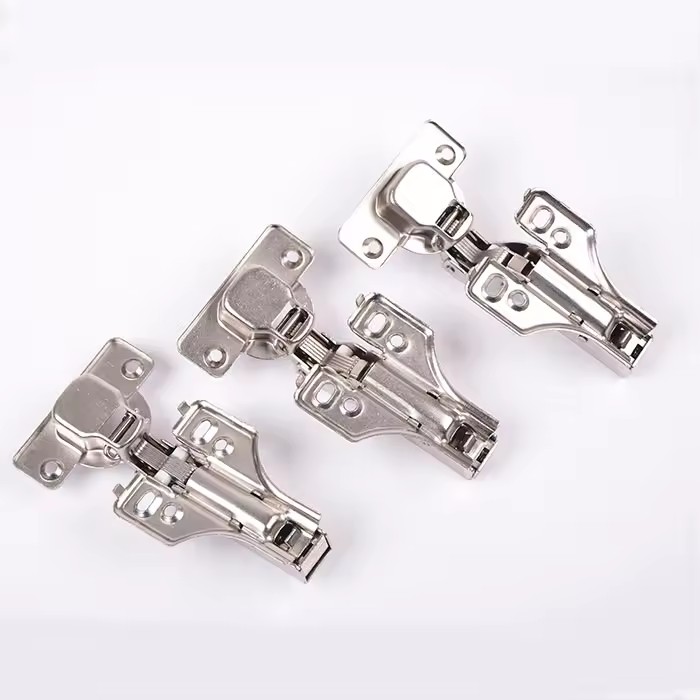
Volatile global ocean freight rates have rendered single-item hardware ordering inefficient. Enterprise buyers across the Middle East, Europe, and the Americas now partner with agile Guangzhou manufacturing hubs capable of consolidating hydraulic lift supports, soft-close concealed hinges, ball-bearing drawer slides, and architectural pull handles into single FOB/CIF 40HQ containers, achieving optimal volumetric weight economics.
International building codes and green architecture mandates (LEED, BREEAM) strictly prohibit hardware containing hazardous heavy metals or low-purity volatile plating chemicals. Sourcing departments are tightening pre-shipment inspections, requiring certified SGS chemical assays, verified material test reports, and non-corrosive environmental audits prior to releasing final letter-of-credit settlements.
SGS Verified Raw Materials • Zero Hazardous Cadmium/Lead
R&D Roadmap
Emerging Technology & Future Development Trends
The furniture and architectural hardware industry is advancing rapidly toward invisible integration, sensorized operation, and bio-degradable chemical lubricants.
Stepless Free-Stop Positioning Mechanics
Traditional lift supports push the cabinet door fully open to 90° or 105°. Next-generation stays integrate mechanical multi-point friction clutches coupled with dynamic hydraulic counterbalance chambers. This allows the user to leave the cabinet door resting safely and effortlessly at any intermediary angle between 30° and 100°, accommodating varied user heights in compact kitchen footprints.
Multi-Angle Free-Stop • Hover-Anywhere Kinematics
Ultra-Slim Carcass-Milled Concealment
Minimalist architectural millwork demands clean interior cabinet volumes. Leading manufacturers are engineering ultra-thin mechanical and hydraulic lift stays measuring under 12.5mm in thickness. These compact units can be precision CNC-milled directly into the side panels of 18mm or 19mm cabinet walls, eliminating bulky interior bracket obstructions and maximizing interior storage volume.
Bridging luxury residential living and smart homes, hybrid lift stays now unite a mechanical push-latch trigger, micro-motor assist, and hydraulic soft-closing dampening. A gentle tap on the cabinet facade electronically activates initial lift-up, while integrated hydraulic dampers catch and feather the door on return, delivering completely handle-free, noiseless operation.
Handle-Free Motor Assist • Silent Hydraulic Cushioning
Manufacturing Capabilities
Enterprise Strengths & Factory Advantage
Guangzhou Aviano Hardware Co., Ltd. operates at the core of Guangdong’s world-renowned furniture hardware industrial cluster, delivering specialized manufacturing excellence and agile global supply chain solutions.
OEM & ODM Customization Capacity
We provide complete end-to-end private labeling services: fiber laser engraving or steel stamping of your company logo on cylinder bodies and hinge arms, customized Newton pressure calibrations, bespoke cylinder finishes (Matte Black, Brushed Chrome, Antique Bronze, QPQ Nitride), and retail-ready blister packs, zip bags, or inner color boxes.
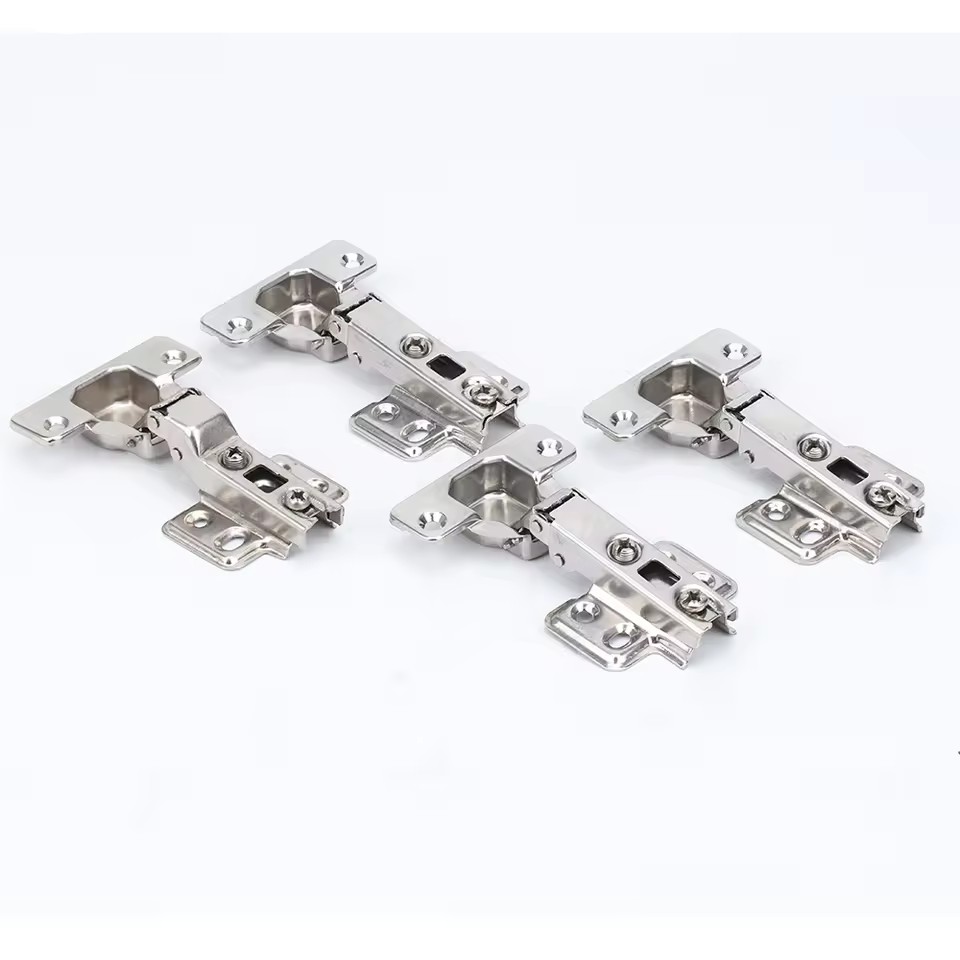
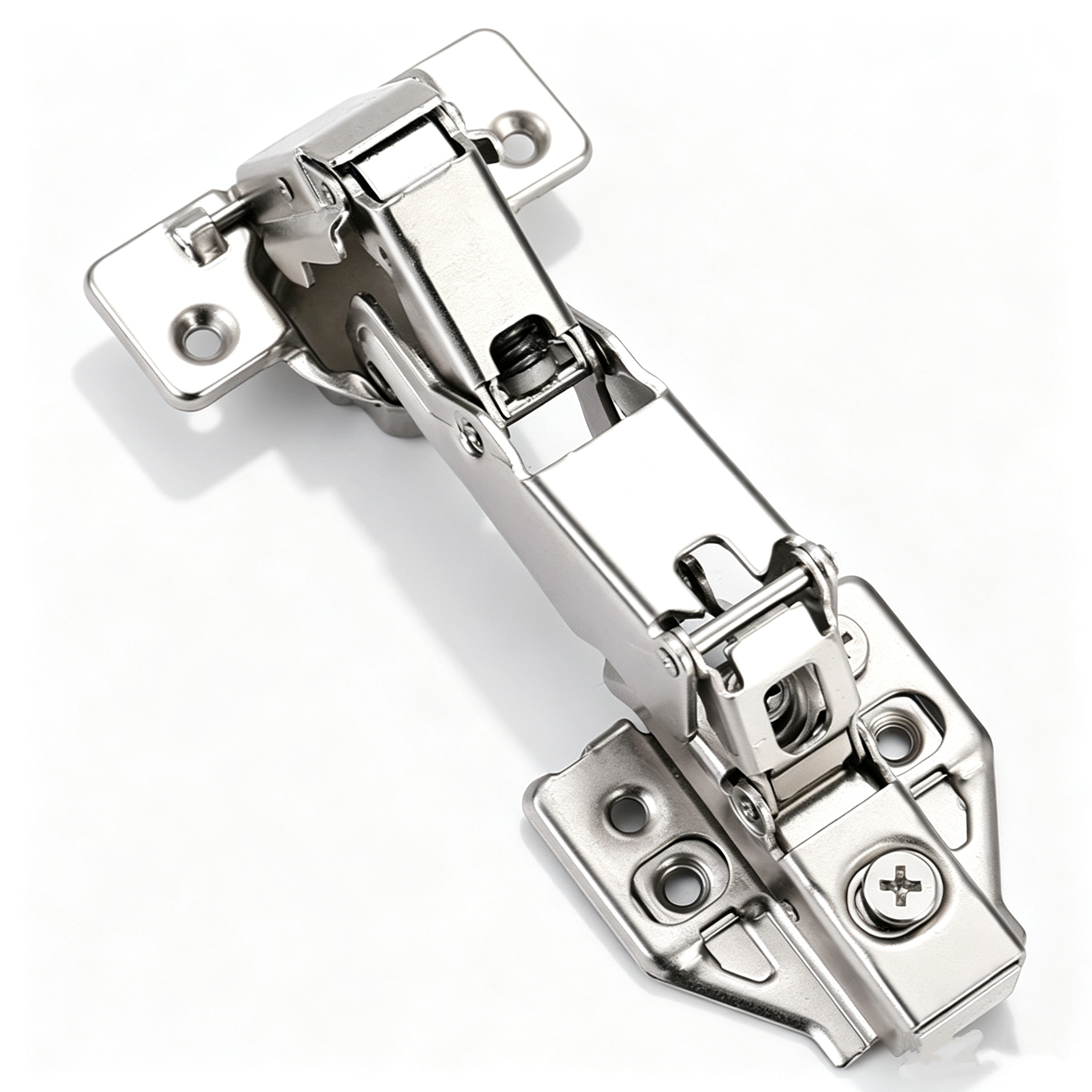
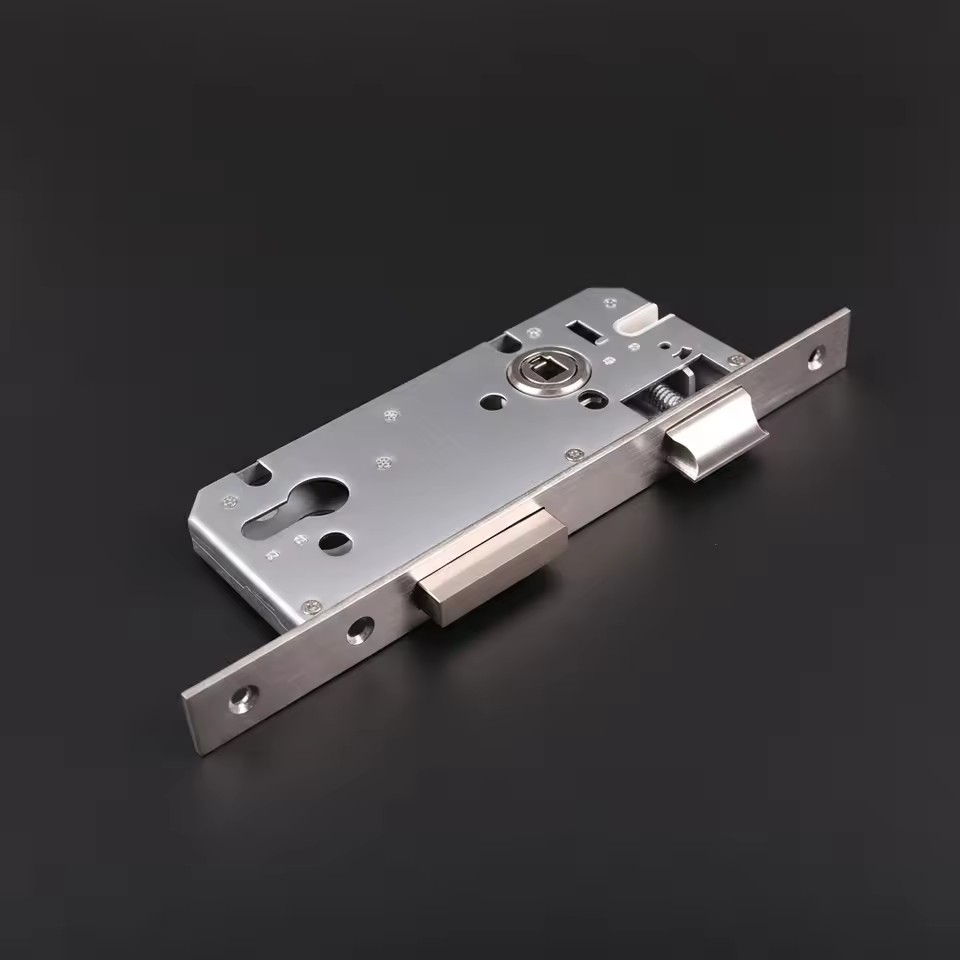
Eliminate the cost, delay, and miscommunication of coordinating multiple disparate hardware suppliers. Consolidate full mixed-cargo shipments comprising gas spring lift supports, 35mm soft-close hinges, full-extension ball bearing drawer slides, undermount slides, and designer cabinet handles into single FOB Guangzhou/Shenzhen or CIF destination shipments.
Flexible MOQs • Single Coordinated Invoice & B/L
Systematic Pre-Shipment Quality Control
Every export production batch undergoes strict quality control protocols: 100% stroke dimension calibration, computerized Newton pressure force tolerance testing (±5%), surface coating thickness measurements, and opening/closing fluid damping checks. Third-party quality inspectors appointed by buyers (SGS, TÜV, BV) are always welcome on-site.
Full Traceability • Pre-Shipment Inspection Reports
Expert Buyer Guide
Frequently Asked Questions (FAQ)
Critical technical and procurement answers addressing lift support force calculation, installation methods, logistics terms, and warranty assurances.
How do I correctly determine the required Newton (N) rating for an overhead cabinet door?
The required Newton force depends directly on the door's total weight (including mounted handles) and door height. Multiply door weight in kg by 10 to approximate gravitational force, then calculate the center-of-gravity moment arm. For a standard 400mm-high MDF door weighing approximately 2.5–3.2 kg, a pair of 80N or 100N gas springs provides perfectly balanced lift and effortless closing. For assistance, submit your door dimensions, door material, and hinge style to our engineering team for automated simulation.
Why do cheap gas springs fail prematurely, and how does Aviano ensure 50,000-cycle durability?
Early failure in low-grade hydraulic struts is almost always caused by nitrogen gas micro-leakage at the rod seal interface, caused by rough piston rod micro-finishes (which abrade the seals) or cheap single-lip NBR rubber. Aviano utilizes precision micro-crack chrome-plated or QPQ nitrided piston rods finished to Ra < 0.2μm, paired with dual-layer Viton/HNBR oil and gas sealing packs. This prevents pressure loss and maintains smooth, consistent damping over 50,000 continuous test cycles.
Can one gas spring support a wide cabinet door, or should they always be ordered in pairs?
For doors narrower than 400mm, a single centered or edge-mounted gas spring may suffice if hinges are sufficiently rigid. However, for doors exceeding 500mm in width, industry best practices require specifying matched pairs (one left, one right). Using a single strut on wide doors creates torsional warping across the carcass, leading to misaligned gaps, premature hinge cup wear, and uneven closing speeds.
What are the Minimum Order Quantities (MOQ), and do you accept mixed-product orders?
Standard hydraulic gas spring struts have a baseline MOQ of 1,000 pieces per specification for custom branding and packaging. However, we welcome mixed container orders combining gas springs, concealed hinges, drawer slides, and cabinet pull handles. For initial sample runs or warehouse catalog trial orders, lower MOQ thresholds can be negotiated based on current stock availability.
What shipping terms and international trade currencies do you accommodate?
We offer flexible international shipping arrangements, including FOB (Guangzhou, Shenzhen, Foshan), CIF/CFR to your destination port, and EXW for clients with consolidated China-based forwarding partners. We support settlements in USD, EUR, and CNY via T/T wire transfer, irrevocable L/C at sight, D/P, and Western Union, facilitating seamless cross-border transactions.
Ready to Optimize Your Hardware Procurement?
Send your bill of materials, engineering drawings, or target specifications. Our Guangzhou-based engineering and export desk responds with complete dimensional schematics, competitive FOB/CIF quotation breakdowns, and complimentary sample packages within 2 hours on business days.